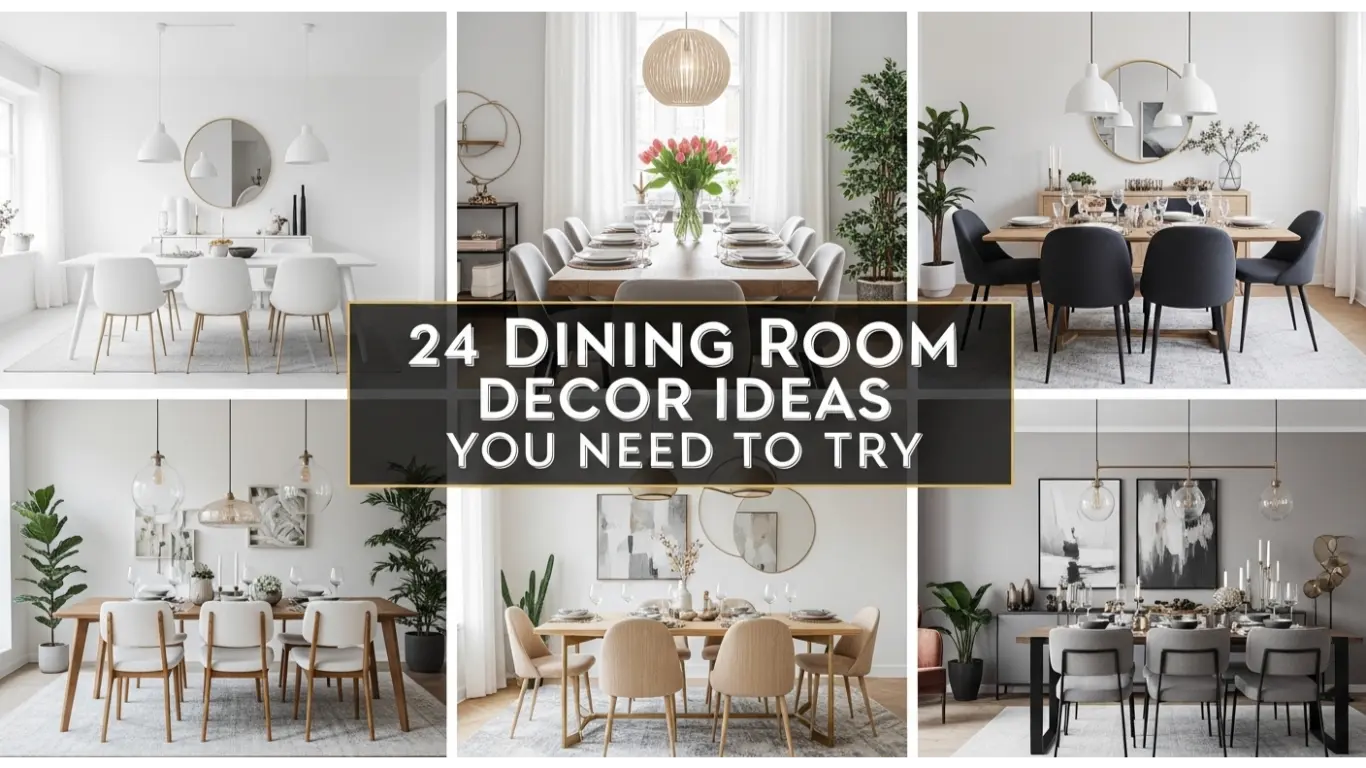
A dining room is more than just a place to eat. It is where daily routines meet special moments, where families connect, and where guests feel welcomed. Designing this space with intention helps create comfort while also improving the overall look of your home. Even small changes in layout, lighting, or materials can significantly enhance how the room feels and functions.
The key to a successful dining space is balance between style and usability. You want a room that looks appealing but still works well for everyday use. This guide focuses on practical, visually appealing ideas that help you build a dining area that feels organized, inviting, and easy to maintain without unnecessary complexity.
1. Statement lighting that defines mood
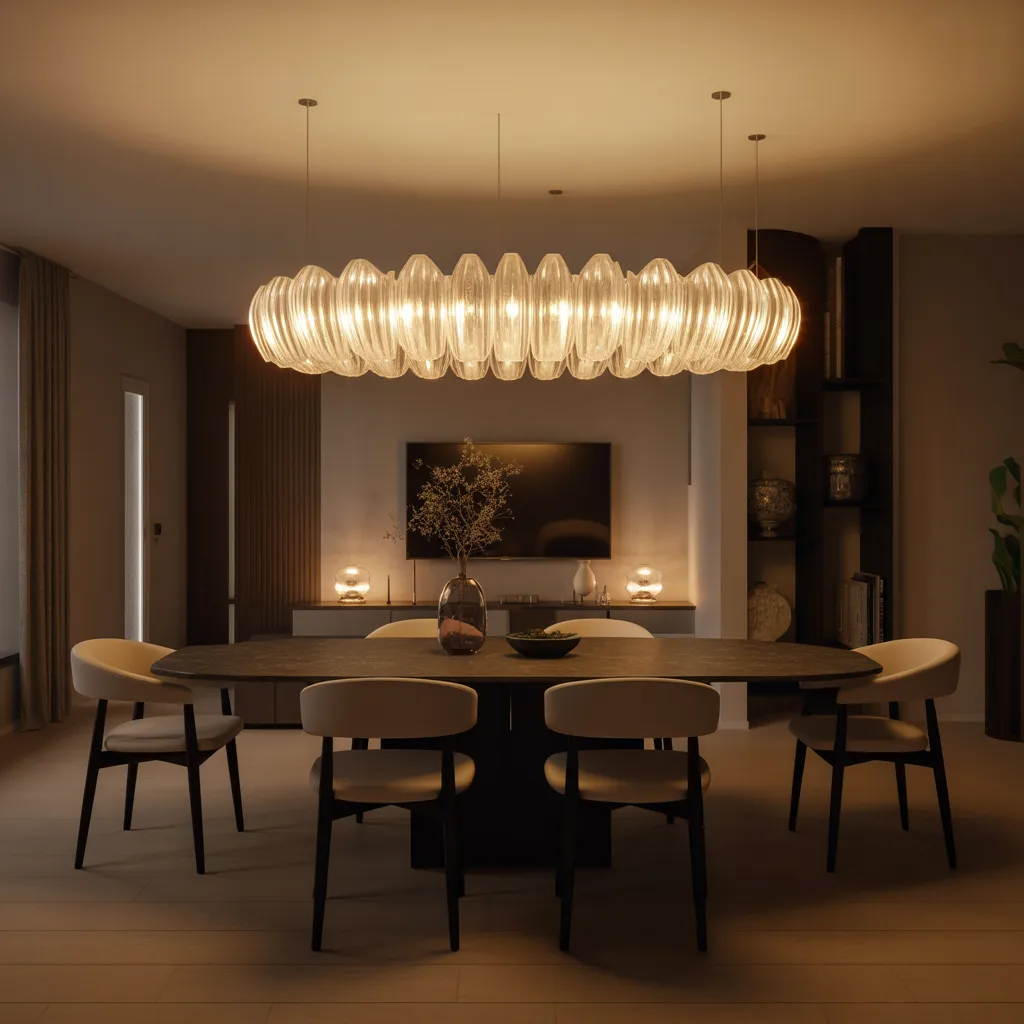
Lighting plays a central role in shaping the atmosphere of your dining room. A statement fixture above the table draws attention and creates a clear focal point. Warm lighting helps make the space feel comfortable and relaxed, encouraging longer and more enjoyable meals with family or guests.
The placement and height of the fixture matter for both function and design. Proper positioning ensures even lighting across the table without glare. Adding adjustable brightness gives flexibility for different times of day. Good lighting enhances both visibility and mood while tying the room together visually.
2. Neutral palette with layered textures
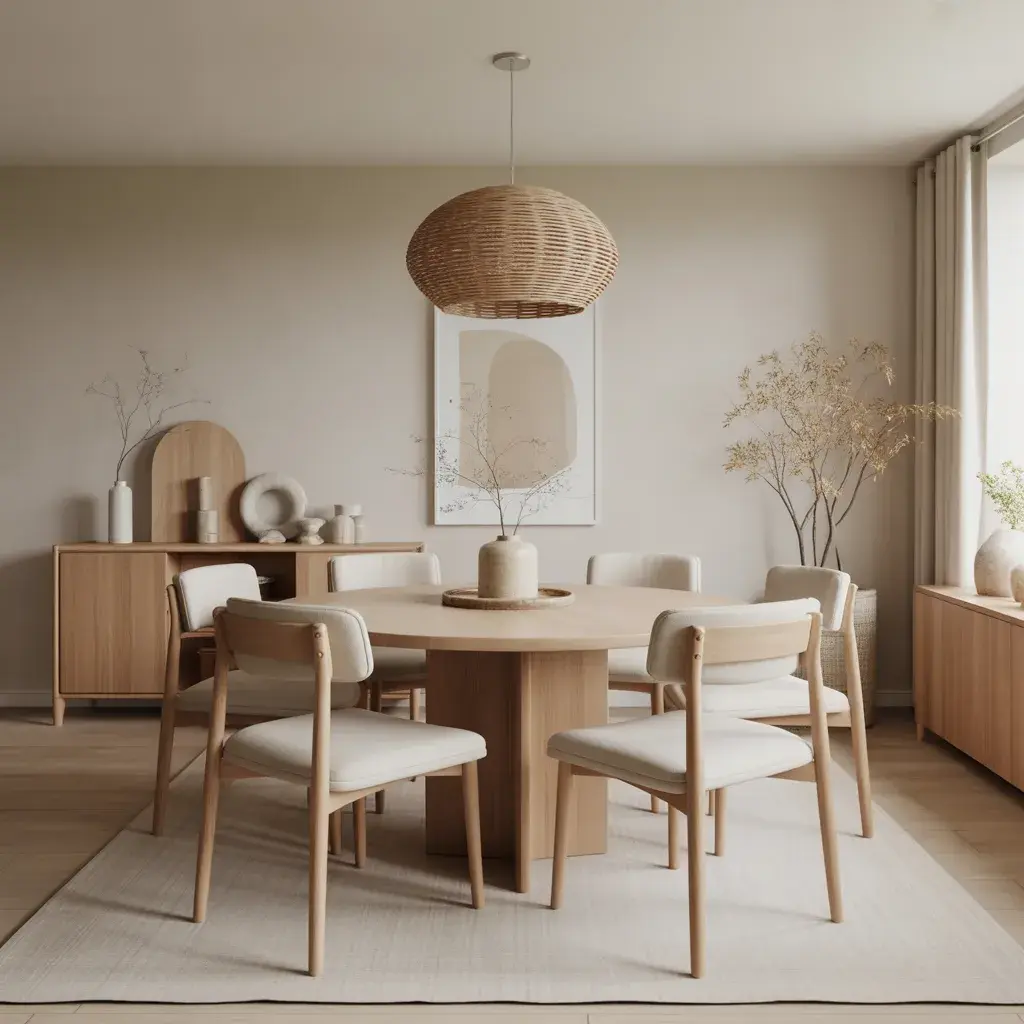
Neutral colors create a calm and timeless foundation for your dining space. Shades like beige, cream, and soft gray make the room feel open and balanced. These tones allow furniture and decor to stand out naturally without overwhelming the visual flow of the space.
Texture adds depth and prevents the design from feeling flat. Combining materials like wood, fabric, and woven elements builds a rich visual experience. Adding a rug or upholstered seating increases comfort while maintaining a cohesive and refined look that works in many home styles.
3. Bold accent wall for visual focus
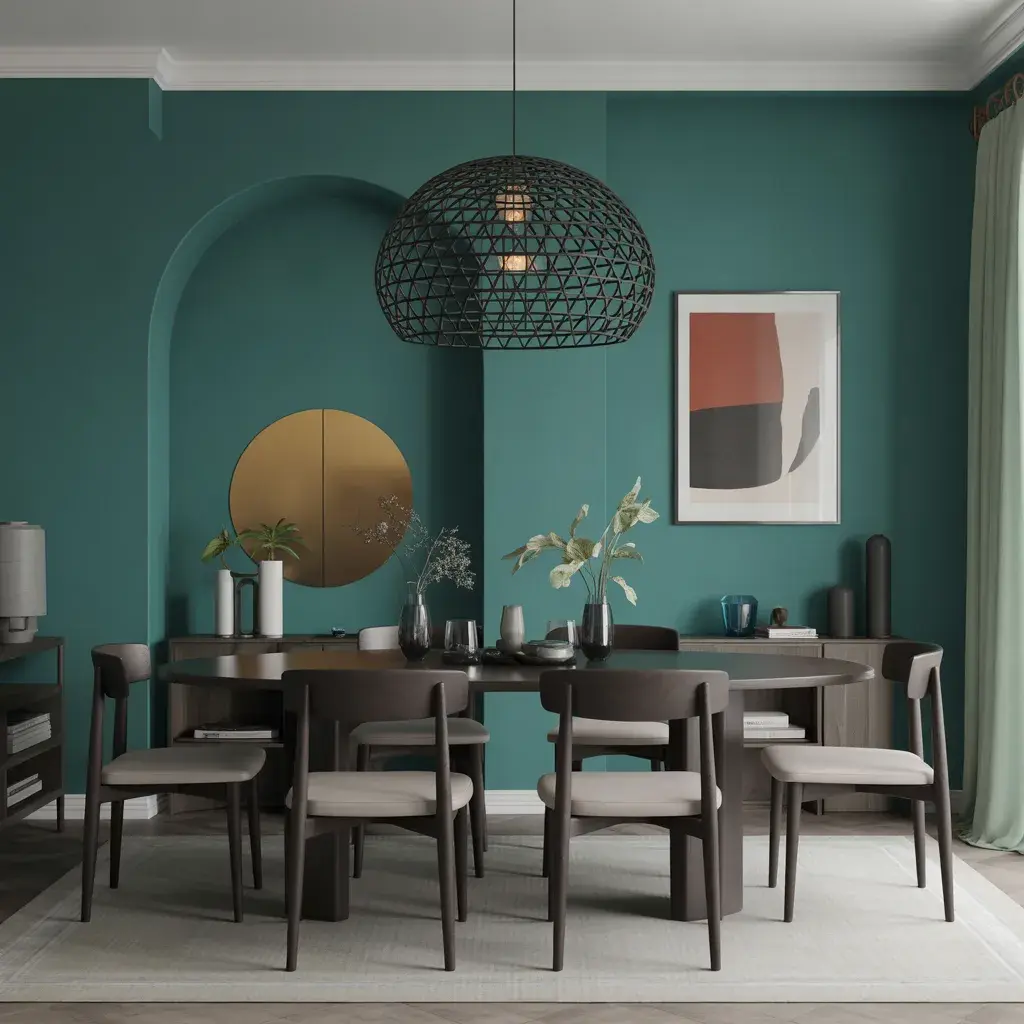
An accent wall helps create a strong focal point in your dining room. Choosing a deeper color or subtle pattern adds contrast and defines the space without requiring major changes. It works especially well in open layouts where visual separation is needed.
To maintain balance, keep surrounding elements simple and light. Neutral furniture and minimal decor prevent the room from feeling heavy. Adding artwork or a mirror can enhance the wall and create a layered visual effect that improves the overall design.
4.Mixed seating for a personalized look
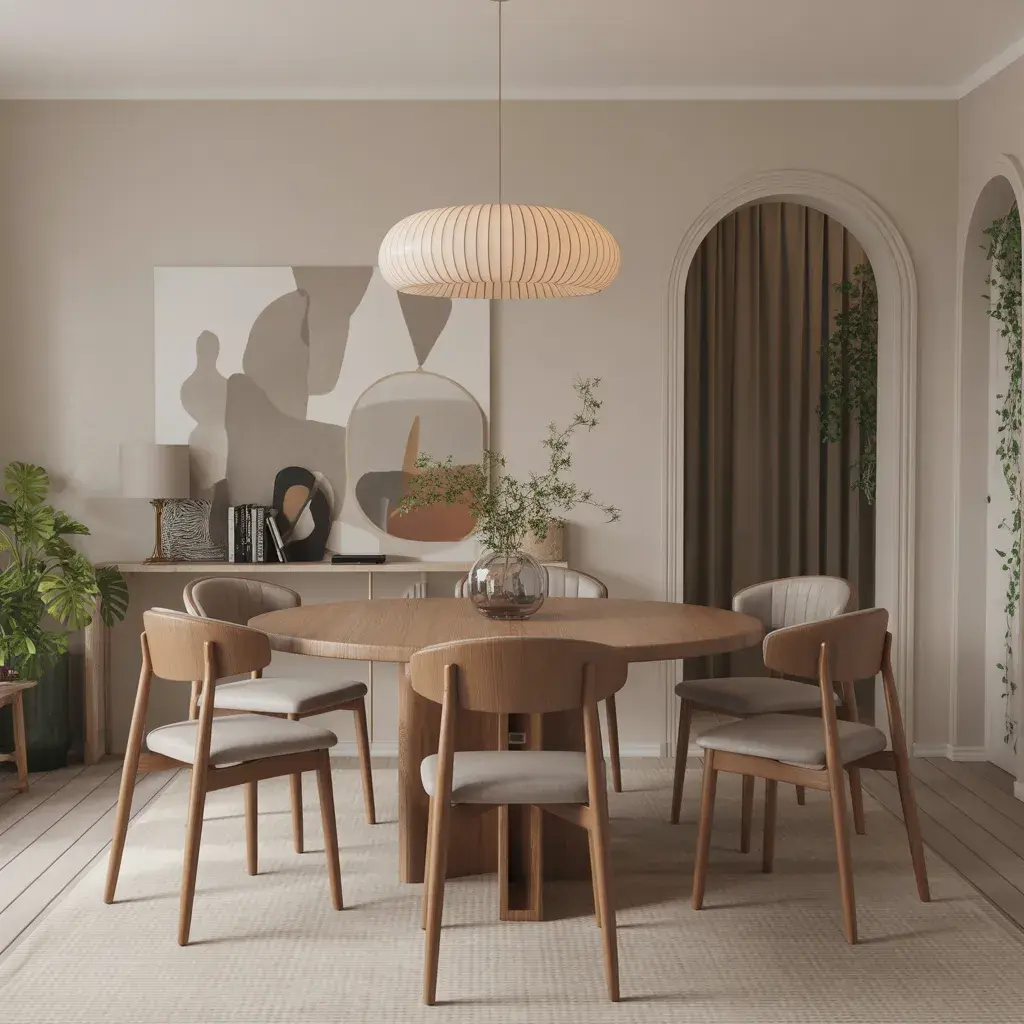
Using different chair styles adds personality and creates a more relaxed atmosphere. Mixing materials such as wood and fabric introduces variety while avoiding a uniform, rigid appearance. This approach allows flexibility and creativity in design.
Maintaining a sense of balance is important when combining seating styles. Repeating colors or shapes helps unify the look. Arranging chairs symmetrically or evenly ensures the space still feels organized while showcasing a curated and intentional design.
5. Area rug to define the dining zone
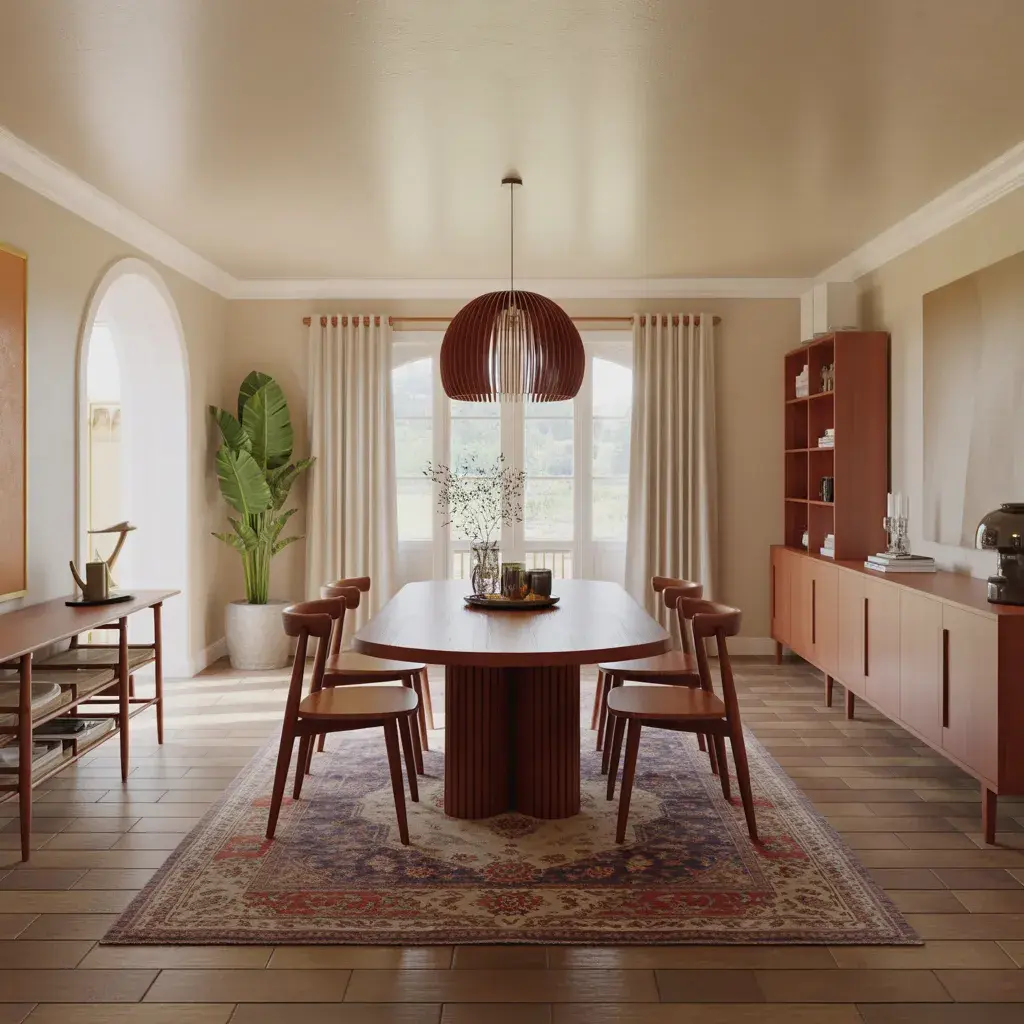
An area rug helps visually anchor the dining table and define the space, especially in open layouts. It creates a clear boundary while adding warmth and comfort underfoot. Choosing the right size ensures chairs remain on the rug even when pulled out.
Patterns and textures enhance the visual appeal of the room. Durable materials are important for handling daily use and spills. A well chosen rug ties the furniture together and improves both the style and practicality of the dining area.
6. Natural materials for a warm atmosphere
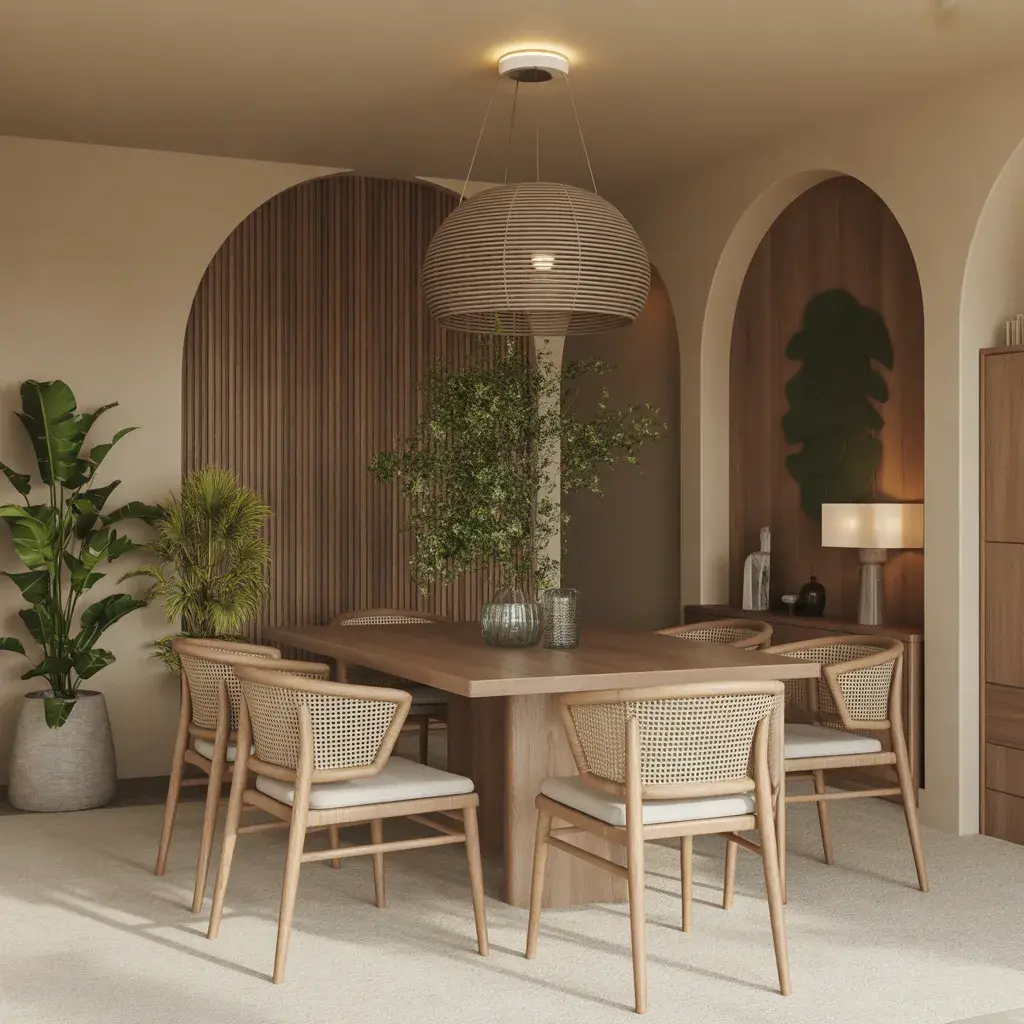
Natural materials bring warmth and a grounded feeling into the dining room. Wood, rattan, and stone introduce organic textures that make the space feel more connected to nature. These materials work well in both modern and traditional interiors.
Combining different natural elements adds depth and variety. Including indoor plants enhances freshness and color. This creates a relaxed environment that feels comfortable and visually balanced while remaining timeless in design.
7. Gallery wall for personality and style
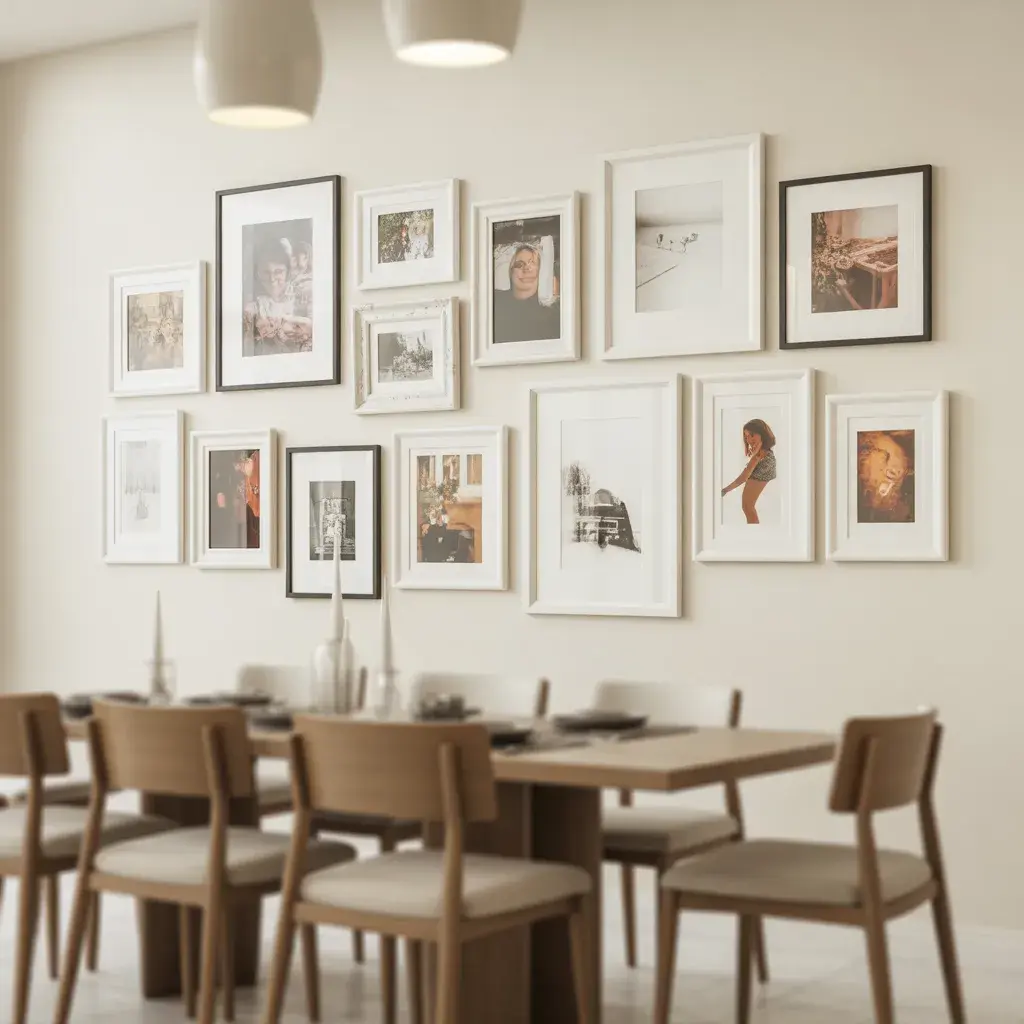
A gallery wall allows you to express personality through art and photography. It transforms a plain wall into a meaningful focal point that reflects your taste and experiences. Proper arrangement ensures the display feels organized and visually appealing.
Consistency in spacing and framing helps maintain a clean appearance. Mixing frame styles works best when tied together by a common theme or color palette. This approach adds depth and character while enhancing the overall design of the dining room.
8. Minimalist design for clean simplicity
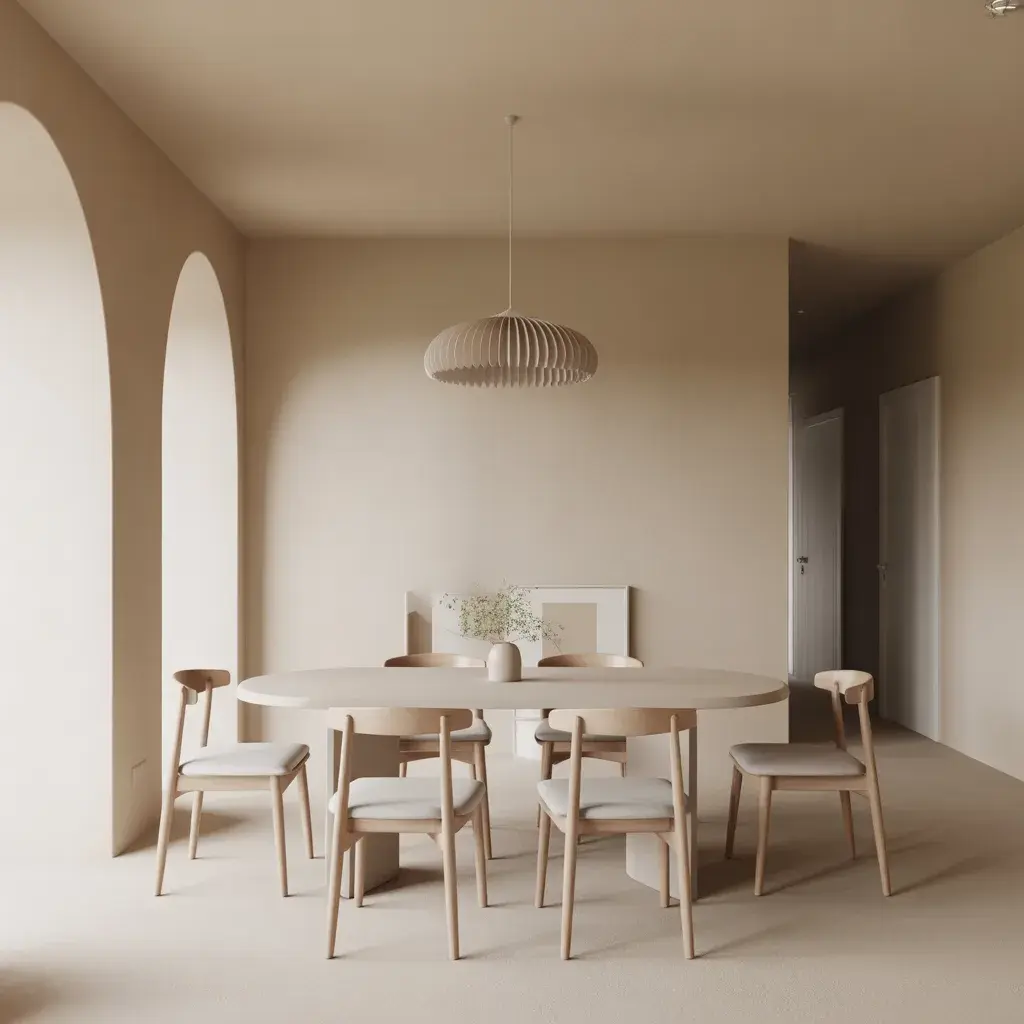
Minimalist design focuses on simplicity and functionality. Removing unnecessary items creates a clean and calm environment that feels open and easy to maintain. The emphasis remains on essential furniture and subtle decor elements.
Selecting a few high quality pieces creates stronger visual impact than filling the space with many items. This approach works especially well in smaller dining rooms where simplicity improves both movement and comfort while maintaining a modern appearance.
9. Seasonal decor for refreshing updates
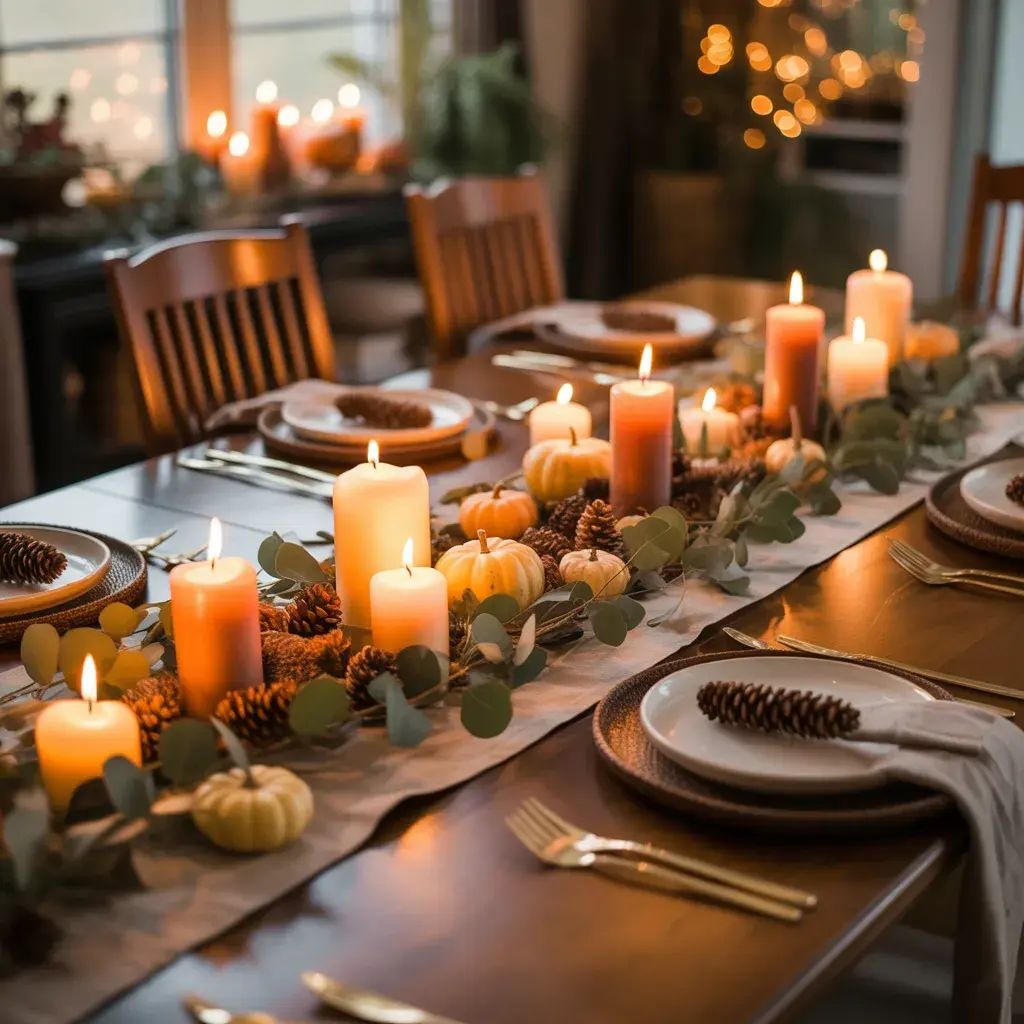
Seasonal decor allows you to refresh your dining space throughout the year without major changes. Adjusting colors and accessories to match each season keeps the room feeling current and engaging.
Simple updates such as changing table decor or textiles can make a noticeable difference. This approach keeps the space dynamic while remaining practical and easy to manage over time
10. Mirror to expand space and light
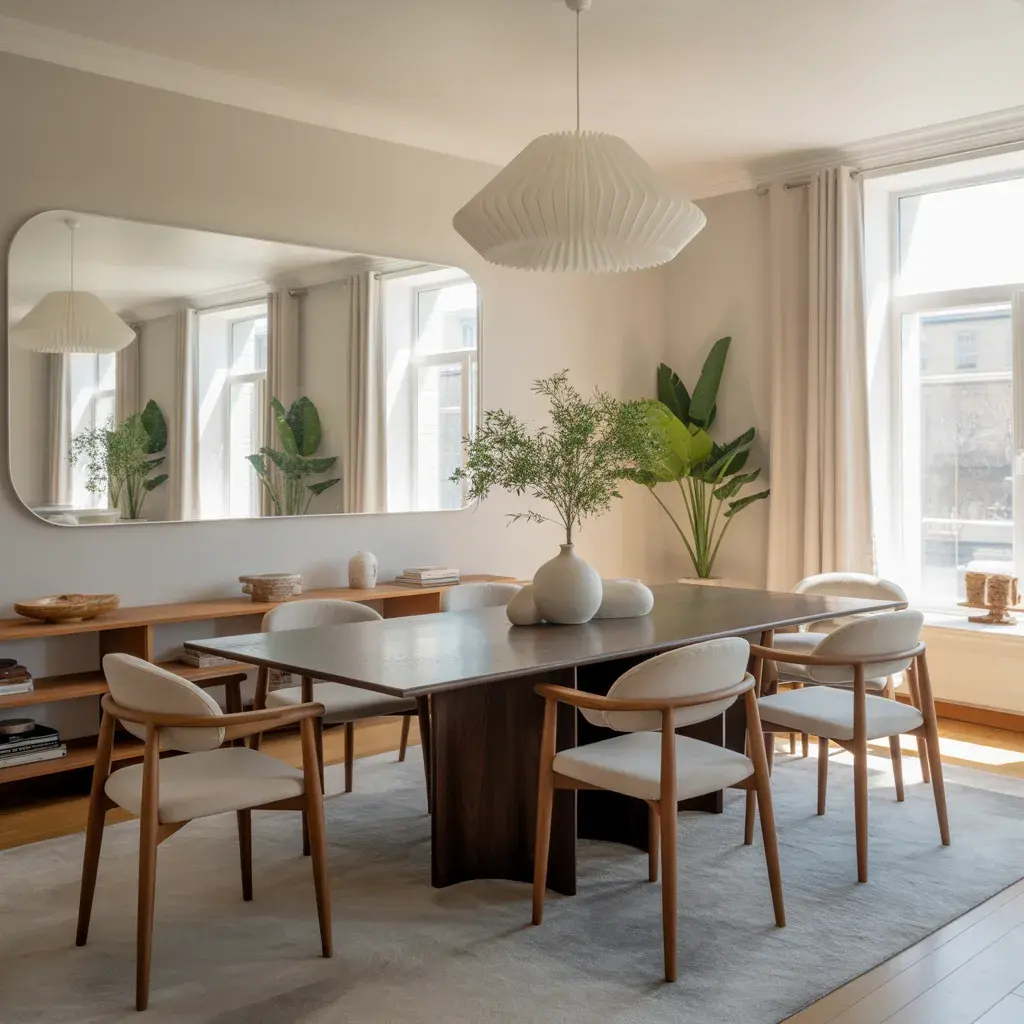
Mirrors help make a dining room feel larger and brighter by reflecting natural light across the space. Placing a mirror opposite a window or near a light source increases brightness and creates a sense of openness. This works especially well in smaller dining areas where maximizing visual space is important.
Choosing the right frame adds to the overall design. A simple frame suits modern spaces, while a decorative frame can add elegance. The mirror should complement the room’s style while enhancing both function and visual balance.
11. Open shelving for display and storage
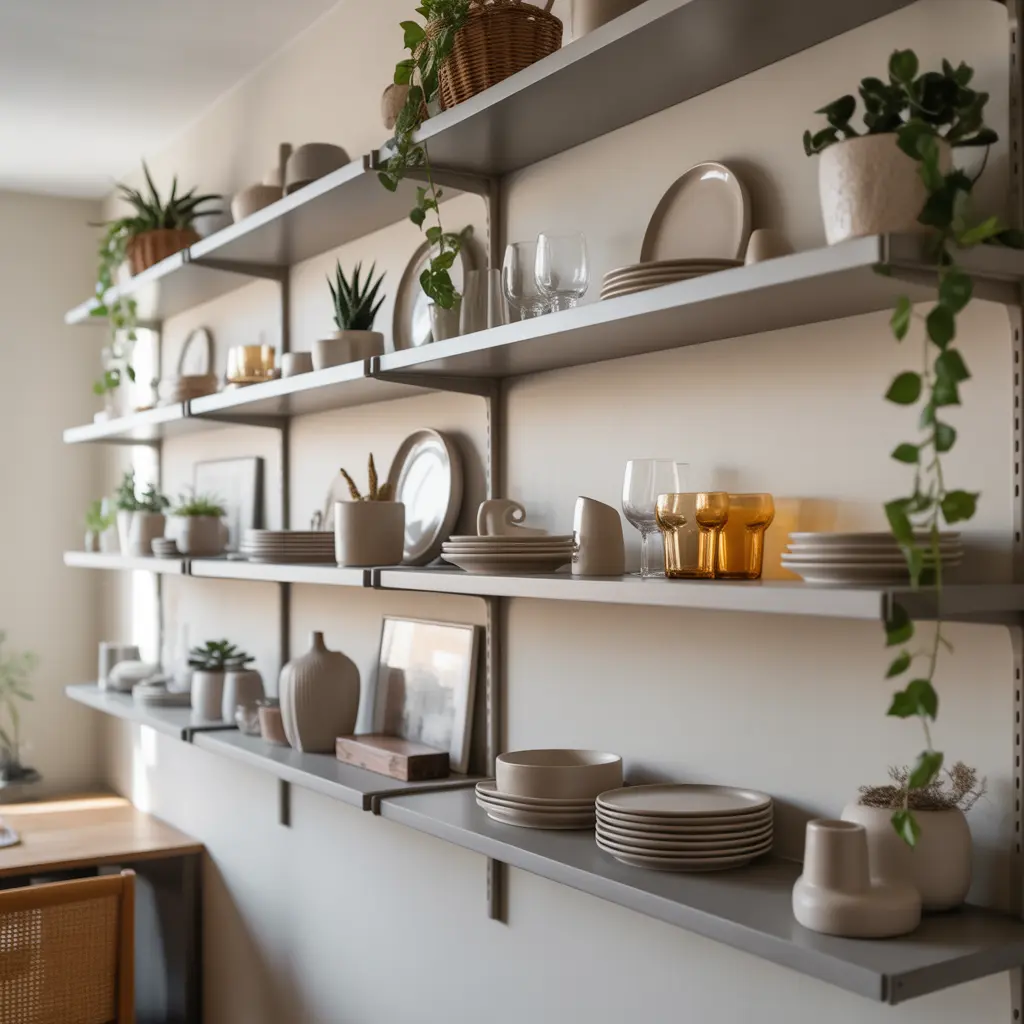
Open shelving combines storage and display in a single feature. It allows you to showcase dishes, glassware, and decorative items while keeping them accessible. This adds personality to your dining area and makes the wall space more functional.
To keep shelves visually appealing, arrange items with balance and avoid overcrowding. Group similar objects together and leave some empty space for a clean look. This creates an organized display that feels both practical and stylish.
12. Fresh flower centerpiece for natural beauty
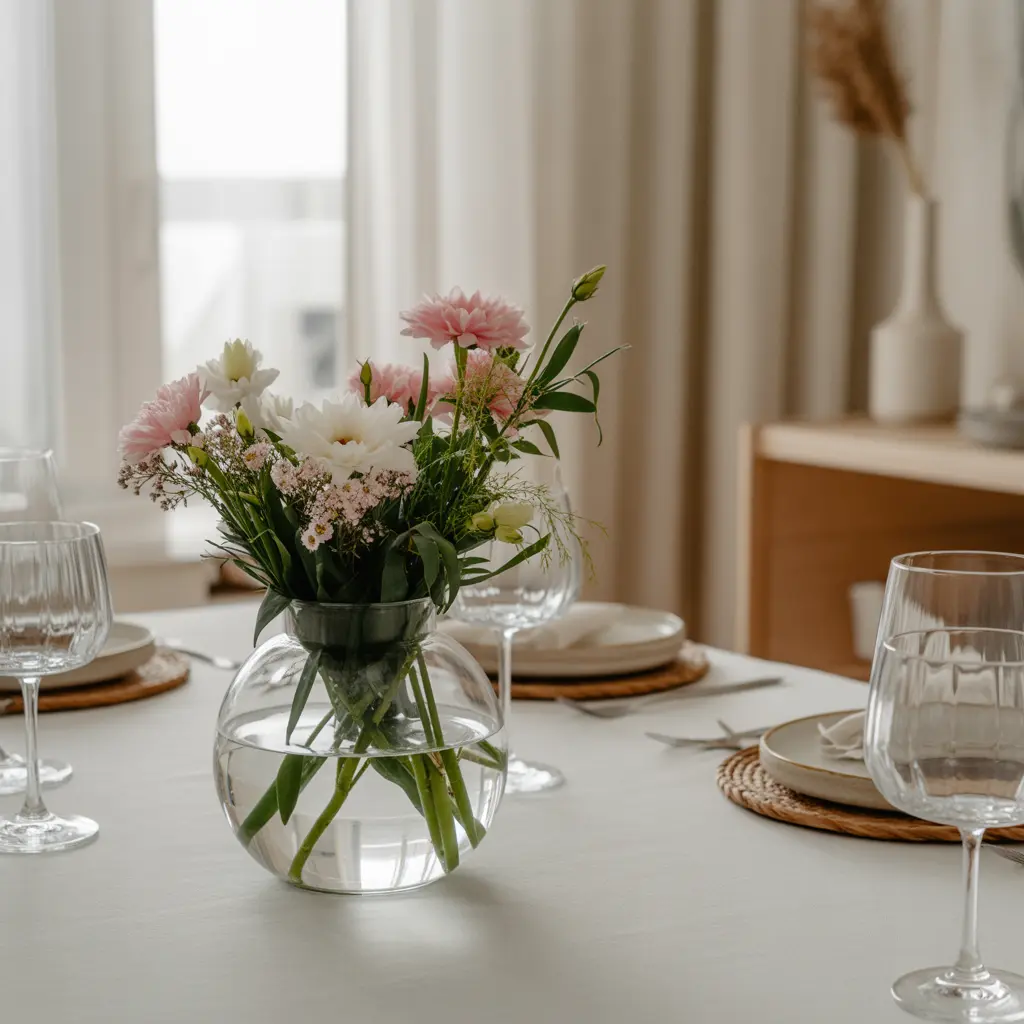
Fresh flowers instantly bring life and color into a dining room. A simple vase with seasonal blooms can act as a focal point without overwhelming the table. This adds freshness and a welcoming touch to the overall setting.
Rotate flowers regularly to match seasons or occasions. Choose arrangements that complement your color palette. This small detail enhances the mood and makes the dining space feel more lively and inviting.
13. Layered lighting for depth and flexibility
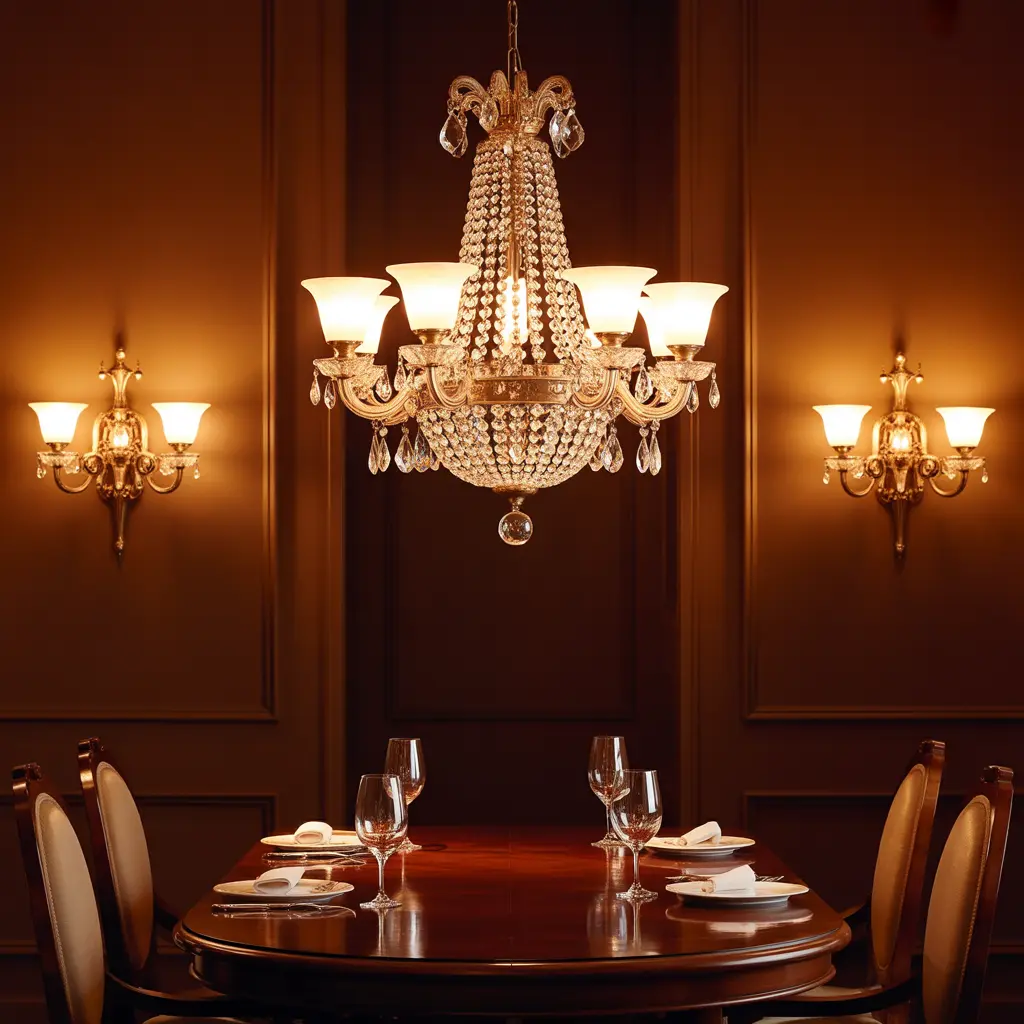
Layered lighting combines multiple light sources to create depth and flexibility. A central fixture provides general lighting, while wall sconces or lamps add accent lighting. This approach improves both visibility and atmosphere.
Using different light levels allows you to adjust the mood for various situations. Bright lighting works for tasks, while softer lighting suits dinners or gatherings. This balance enhances both comfort and design.
14. Built-in bench seating for space efficiency
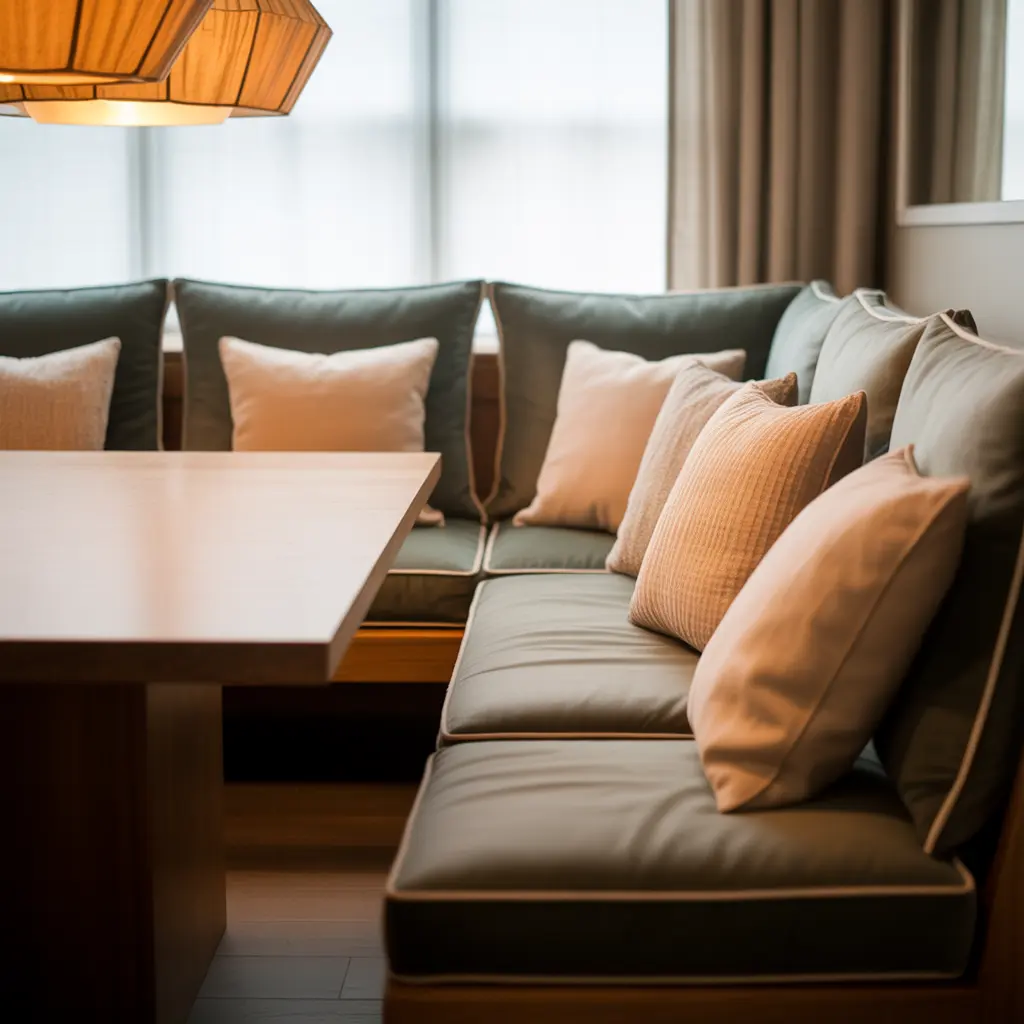
Built-in bench seating is a smart solution for saving space while adding comfort. It works well in corners or small dining areas where traditional chairs may take up too much room. This design creates a cozy and efficient layout.
Adding cushions and soft fabrics increases comfort and style. You can also include storage beneath the bench for added functionality. This makes the space practical while maintaining a warm and inviting feel.
15. Statement artwork as a focal point
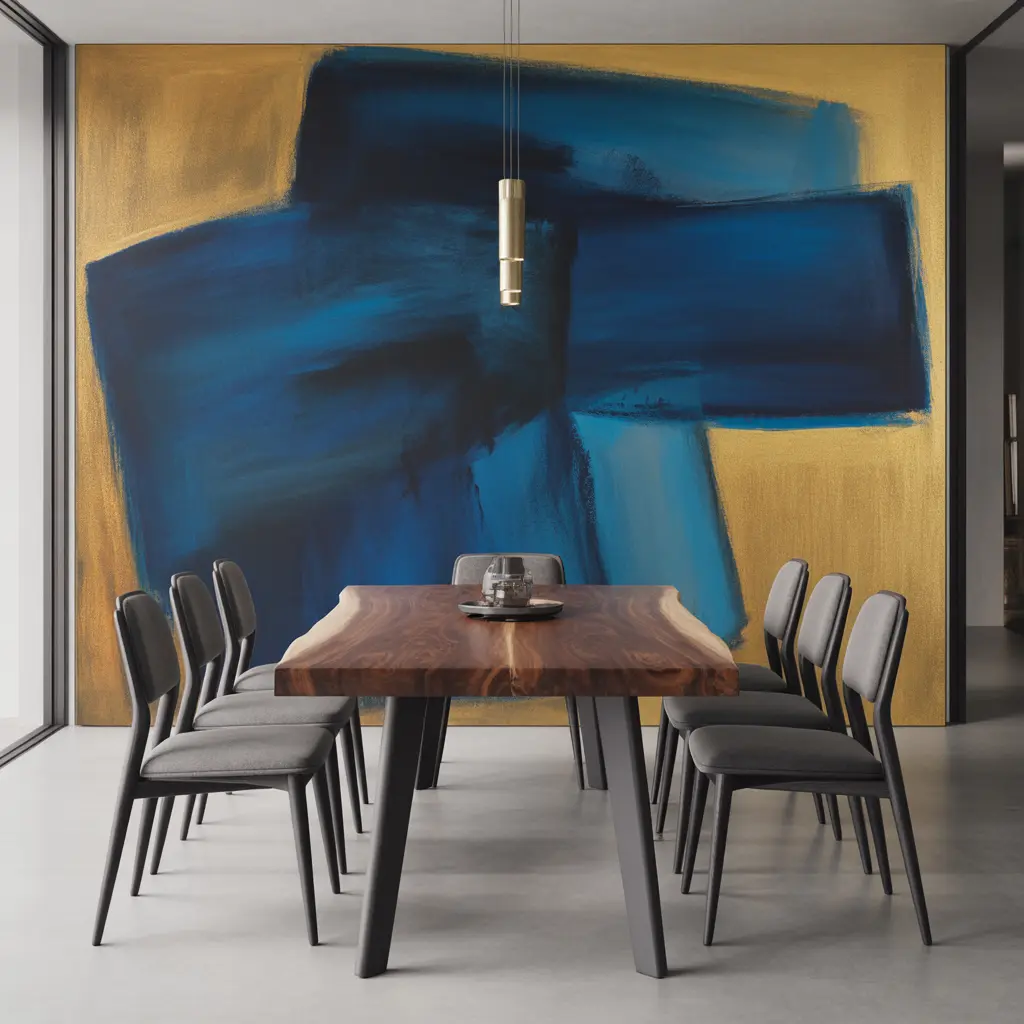
A large piece of artwork can serve as the main focal point of your dining room. It adds visual interest and helps define the style of the space. Choosing the right piece can instantly elevate the overall look.
Place the artwork at eye level above the dining table or on a prominent wall. Select colors that complement your decor. This creates a cohesive design that feels intentional and well balanced.
17. Glass dining table for openness
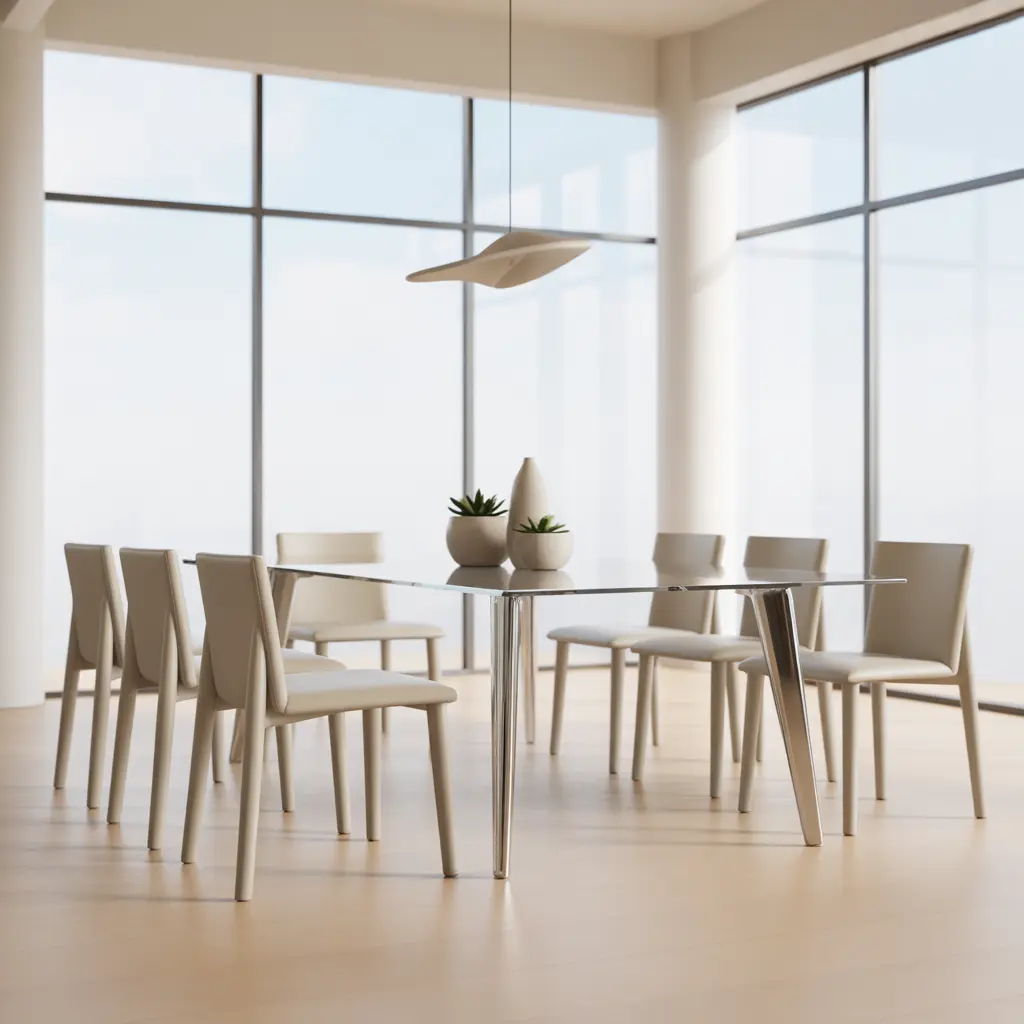
Glass dining tables create a sense of openness by allowing light to pass through and reducing visual weight. This makes them ideal for smaller spaces where you want to avoid a crowded feel. The transparent surface keeps the room looking light and spacious.
Pairing a glass table with bold or textured chairs adds contrast and interest. This balance prevents the space from feeling too plain while maintaining a clean and modern appearance that feels easy to style.
18. Dark and moody color scheme
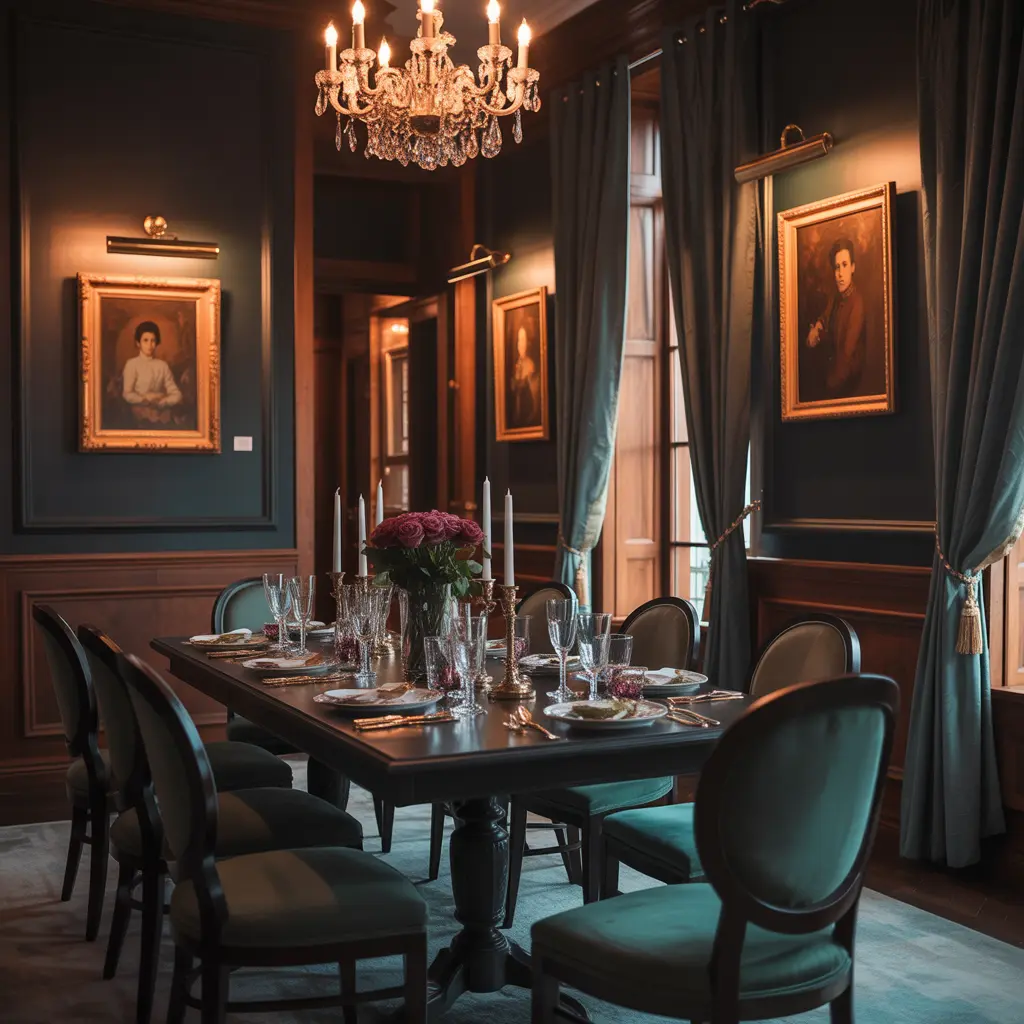
Dark color schemes create a rich and cozy atmosphere in a dining room. Deep shades on walls or furniture add drama and sophistication. When paired with warm lighting, the space feels intimate and inviting.
To maintain balance, combine dark tones with lighter accents such as textiles or decor. This prevents the room from feeling too heavy while keeping the overall design stylish and refined.
19. Farmhouse style charm
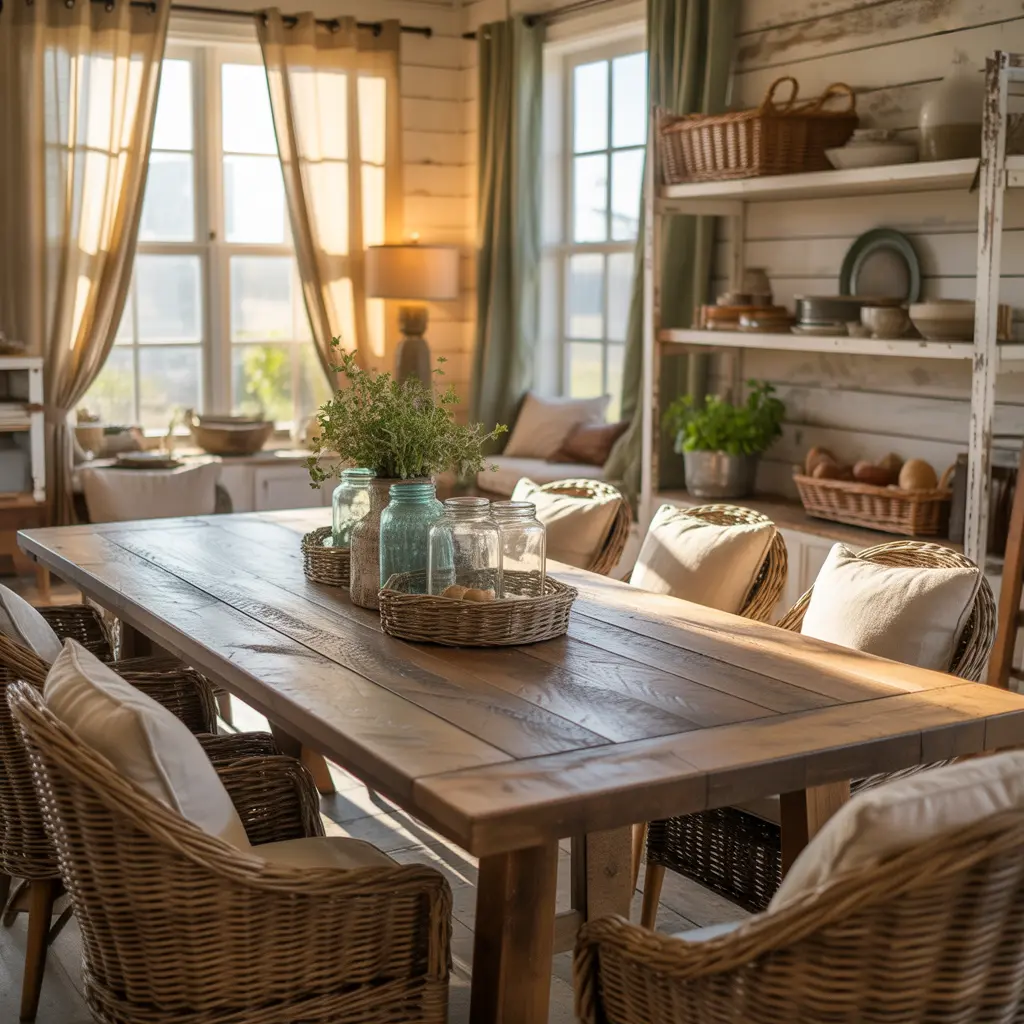
Farmhouse style focuses on warmth, simplicity, and natural materials. A wooden table, soft fabrics, and rustic accents create a comfortable and welcoming environment. This style works well for family oriented spaces.
Adding vintage or handcrafted items enhances the charm. Neutral tones and natural textures keep the design grounded. The result is a dining room that feels relaxed, cozy, and timeless.
20.Modern luxury accents
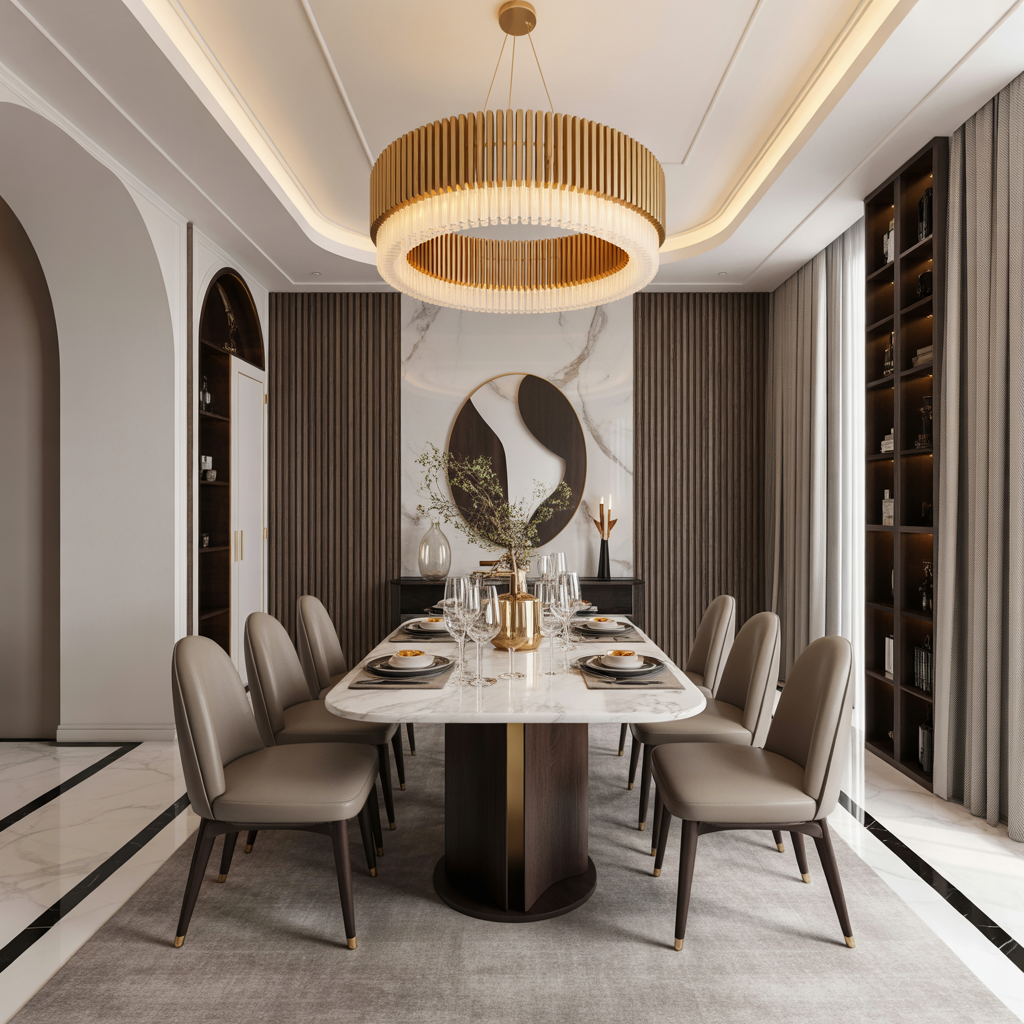
Luxury dining rooms often include high quality materials and refined finishes. Elements like marble surfaces, metallic accents, and sleek furniture create a polished look. These details elevate the overall appearance of the space.
Balance is important when using luxury elements. Avoid overcrowding the room with too many decorative items. A clean and structured layout ensures the space feels elegant rather than excessive.
21.Smart design for small dining spaces
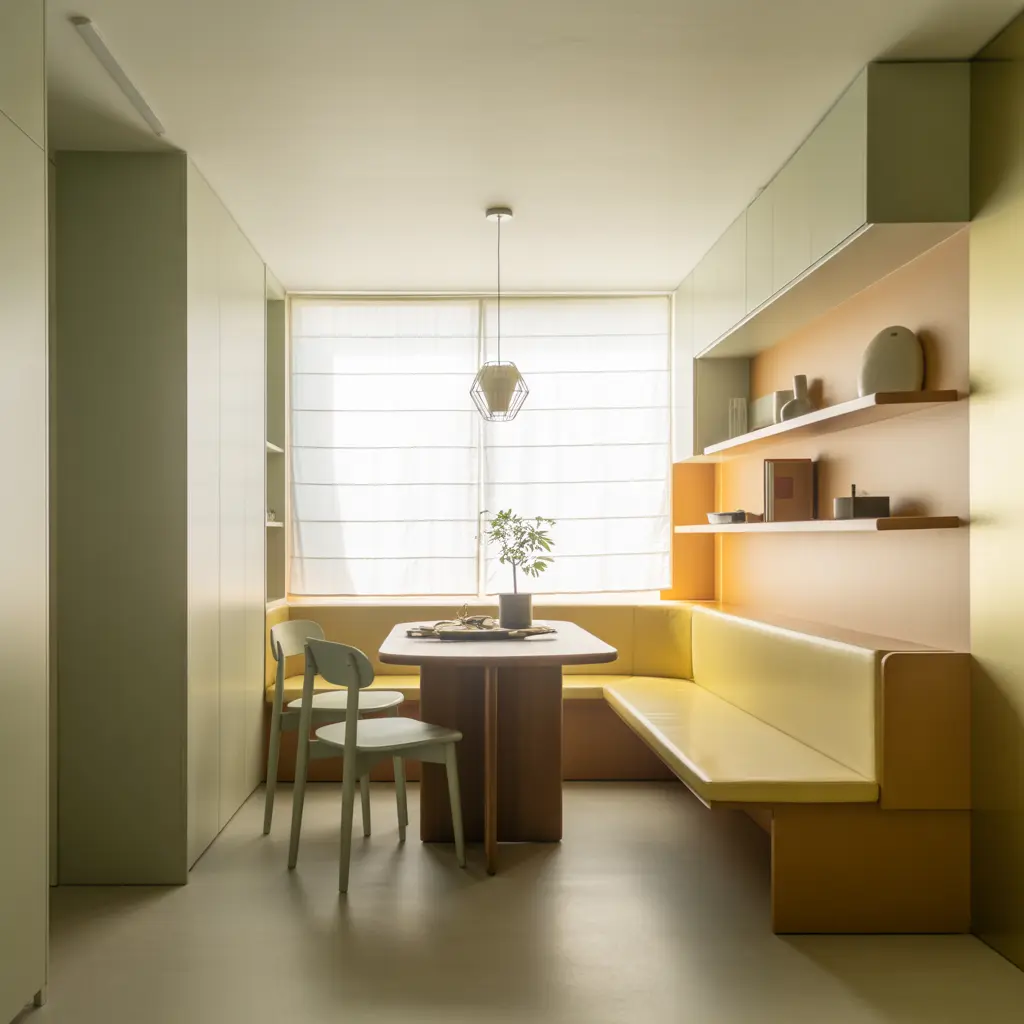
Small dining spaces benefit from smart furniture choices and efficient layouts. Compact tables and slim chairs help maximize available space while maintaining functionality. This ensures the area remains comfortable to use.
Keeping decor minimal prevents the room from feeling crowded. Light colors and good lighting make the space appear larger. This approach creates a practical and visually appealing dining area even in limited space.
22. Indoor plants for freshness and balance
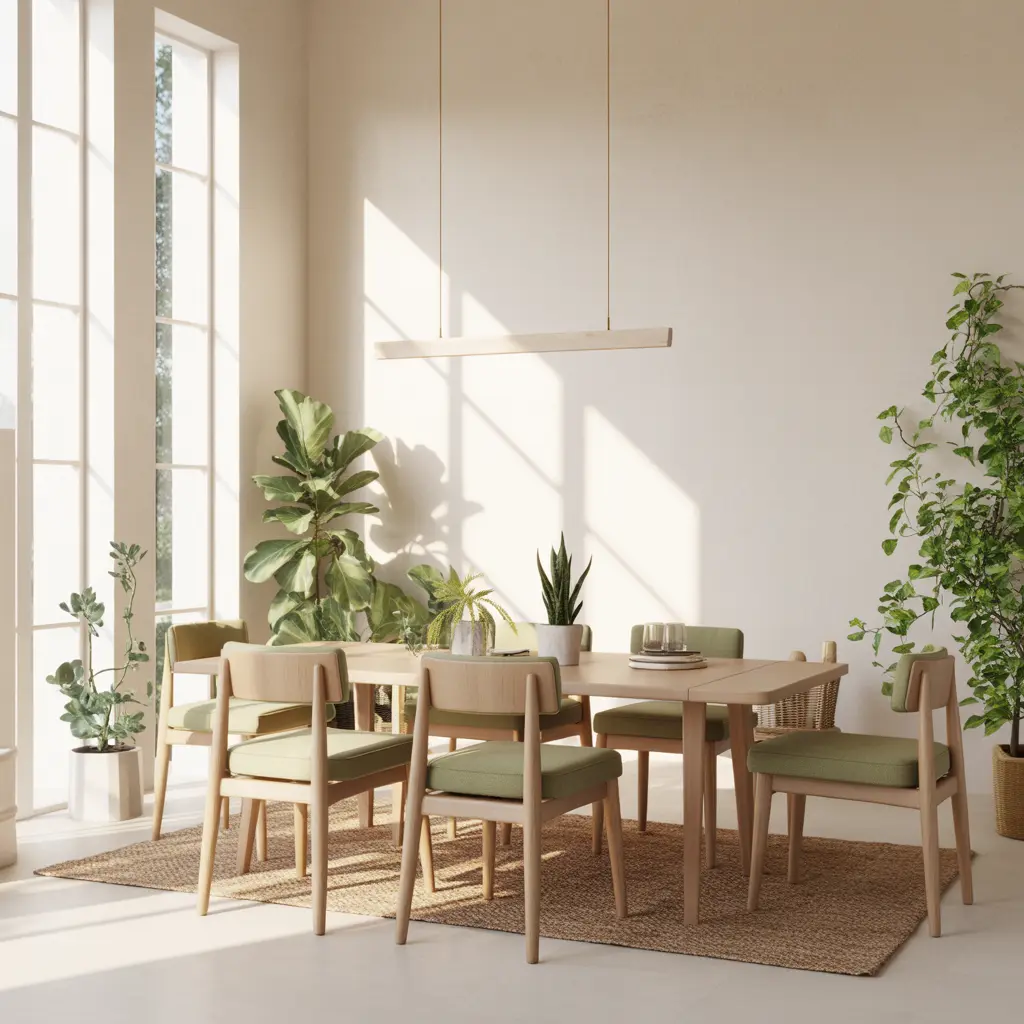
Indoor plants add freshness, color, and a natural element to your dining room. They improve the atmosphere and bring a sense of calm into the space. Plants also help soften hard edges in furniture and decor.
Placing plants near windows or light sources ensures they thrive while enhancing the visual appeal. Mixing different plant sizes creates variety and depth, making the dining area feel more lively and balanced.
22. Textured wall finishes for subtle depth
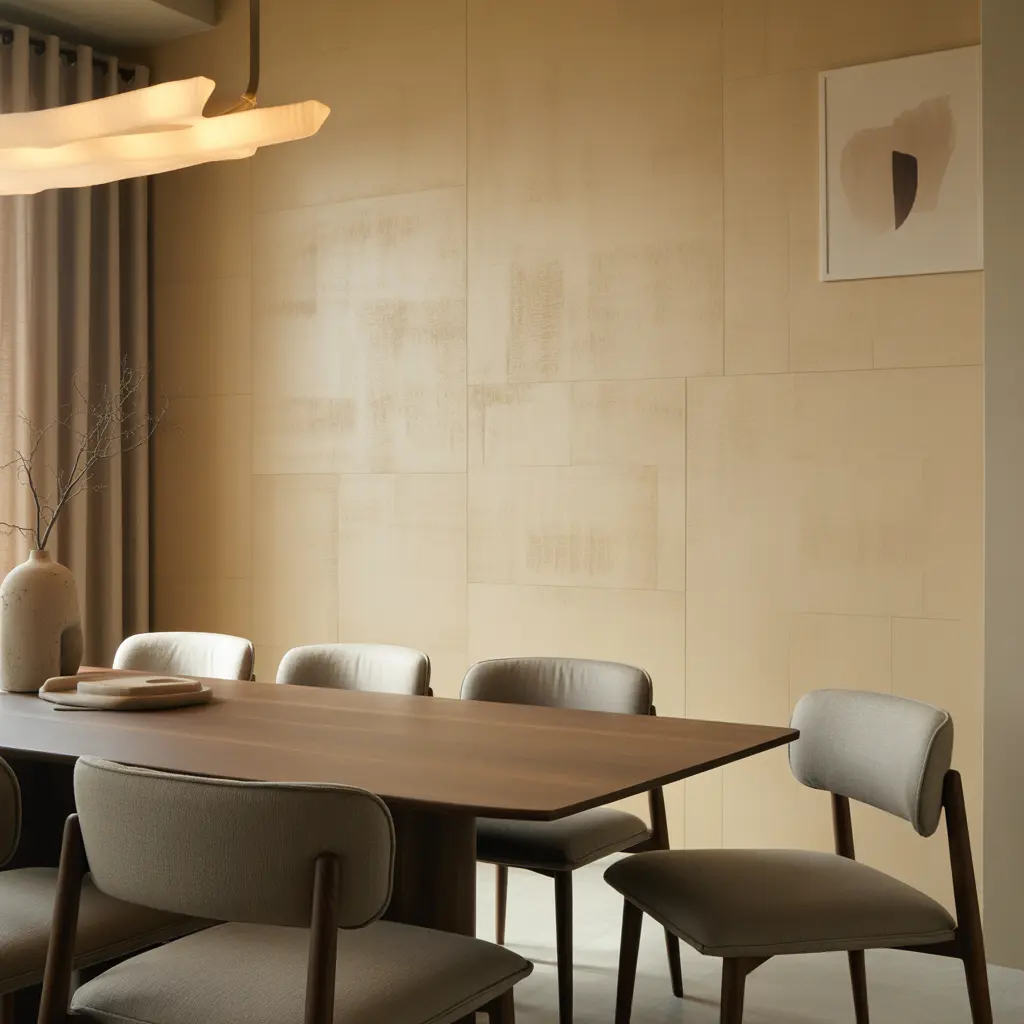
Textured wall finishes add depth without relying on bold colors. Subtle patterns or wall panels create visual interest while keeping the overall design calm and refined. This works well in modern and minimalist spaces.
The texture becomes a background feature that enhances furniture and decor. It adds dimension without overwhelming the room, helping maintain a clean and cohesive look that feels both stylish and understated.
23. Cozy layered textiles for warmth
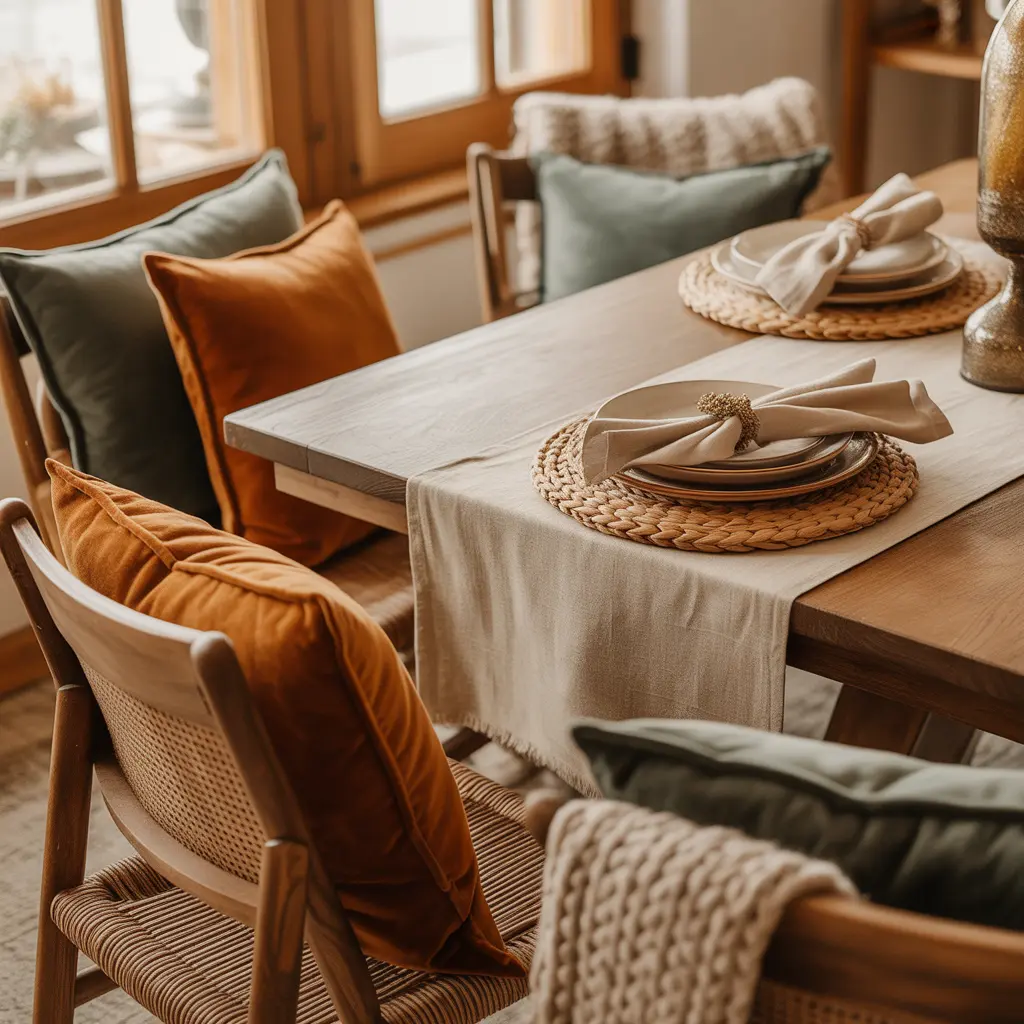
Layered textiles bring comfort and warmth into the dining room. Items like cushions, table runners, and fabric placemats add softness to the overall design. These elements make the space feel more inviting and lived in.
Using different fabrics and subtle patterns creates visual interest without clutter. Textiles also allow easy updates to match seasons or styles. This approach enhances both comfort and aesthetics in a simple and effective way.
Conclusion
A well designed dining room combines comfort, style, and functionality in a balanced way. Each of these ideas shows how small, thoughtful choices can significantly improve the look and feel of your space. By focusing on lighting, materials, layout, and simple decor updates, you can create a dining area that works for everyday use while still looking visually appealing.
The goal is to build a space that feels natural and easy to enjoy. When the elements come together with consistency and purpose, your dining room becomes a place where people want to gather. With the right approach, even simple design changes can transform your dining area into a warm, inviting, and practical part of your home.