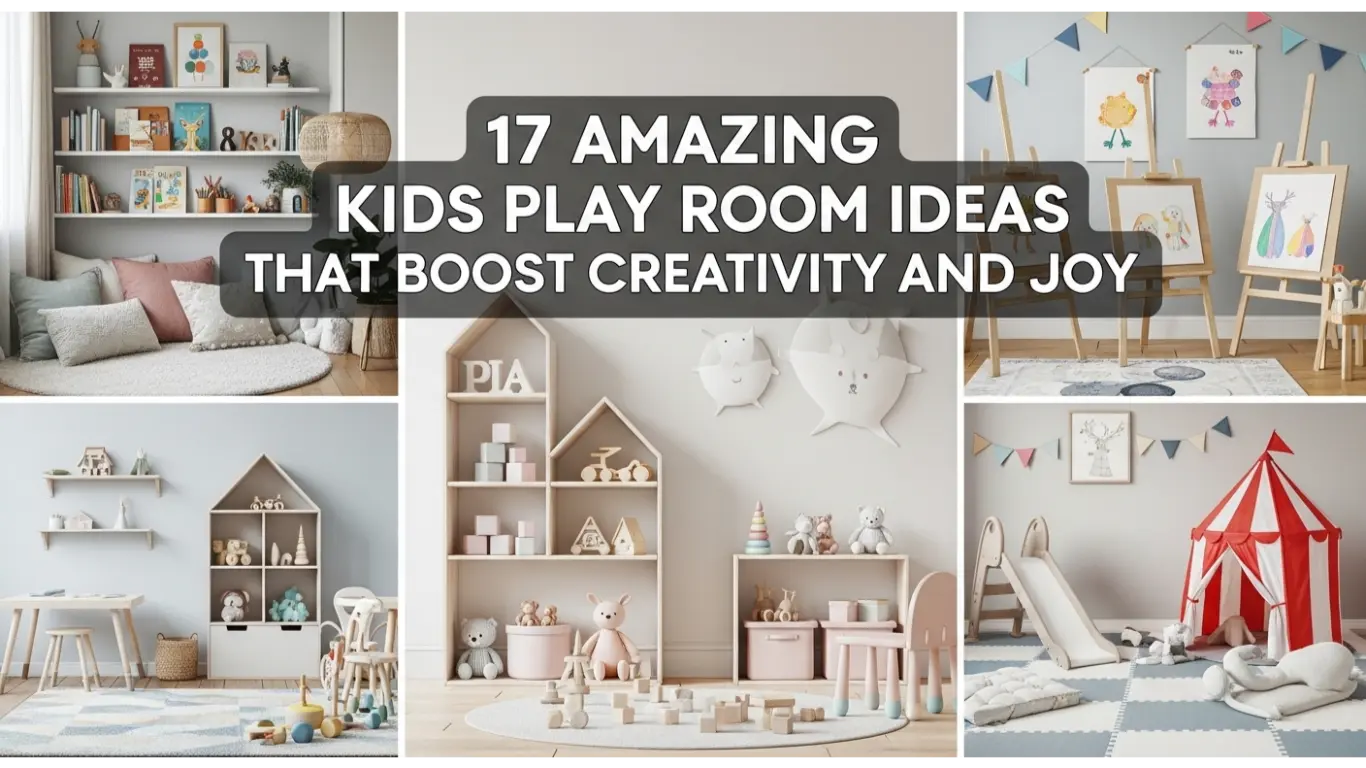
Designing a kids playroom is not just about filling a space with toys. It is about creating an environment where imagination grows, skills develop, and children feel free to explore. A well planned playroom supports creativity, encourages independent play, and brings a sense of joy into everyday routines. When each corner serves a purpose, the entire room becomes more engaging and meaningful for growing minds.
These kids play room ideas focus on blending function with creativity in a way that feels natural and inviting. From quiet reading spaces to active play zones, every idea helps build a balanced environment. The goal is to design a space that adapts to your child’s needs while keeping it organized and inspiring. With the right approach, even a simple room can turn into a place full of learning, fun, and discovery.
1. Imaginative Art Corner
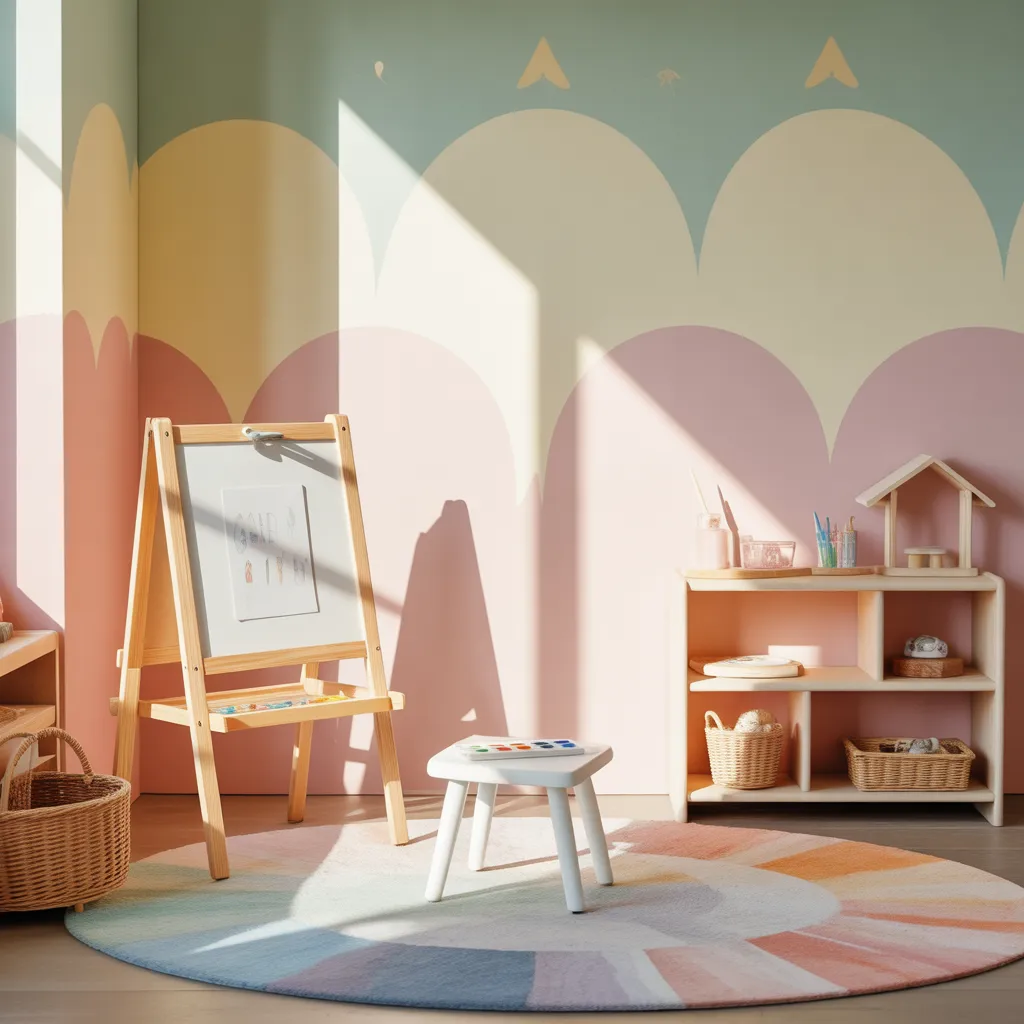
An imaginative art corner gives children a space where ideas turn into real creations. Place a small table, an easel, and open shelves filled with paints, crayons, and paper. Keep everything within easy reach so kids can start creating without help. Good lighting improves focus and keeps the area inviting. This setup encourages daily creativity and builds confidence through self expression.
You can rotate materials to keep interest high and avoid clutter. Add a corkboard or wall space where kids can display their work. This helps them feel proud of what they make and motivates them to try new ideas. A simple art corner can become the heart of a playroom where imagination grows naturally every day.
2. Cozy Reading Nook
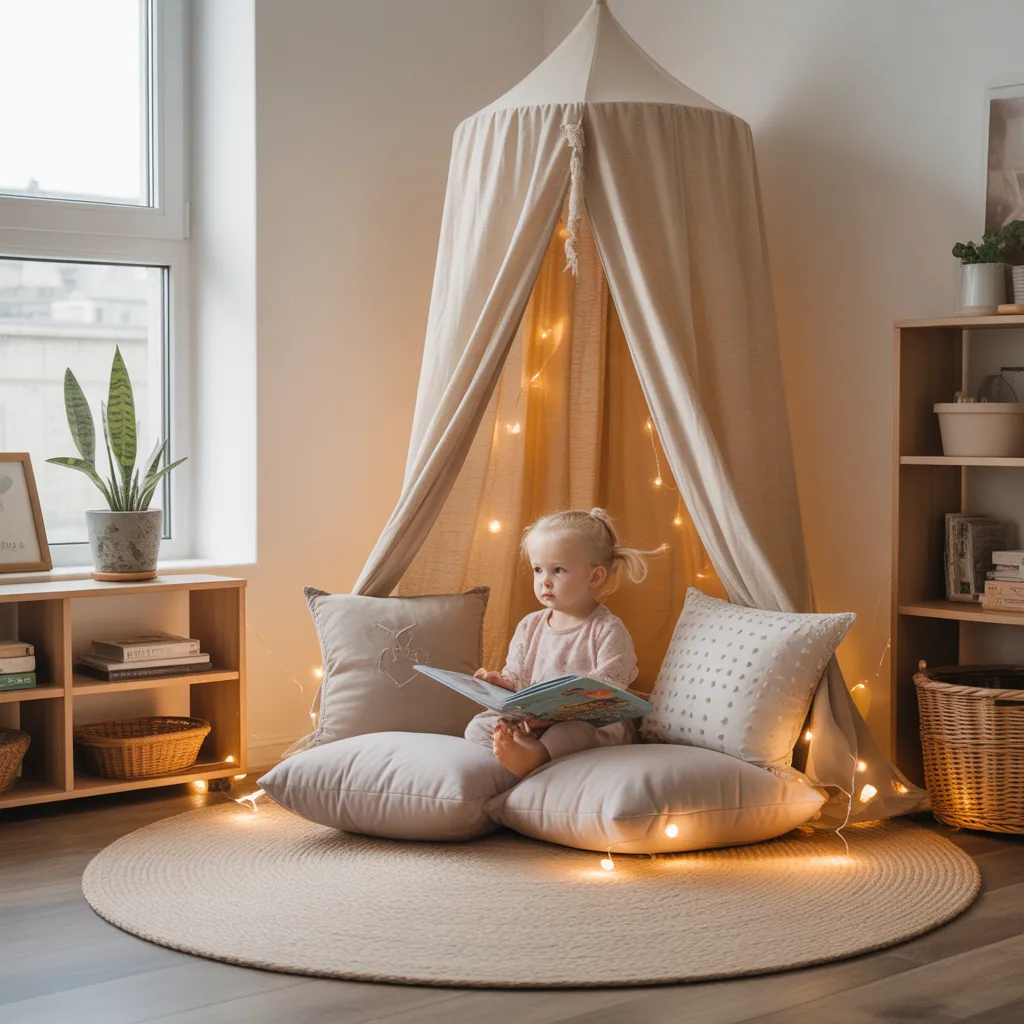
A cozy reading nook invites children to slow down and enjoy stories. Use soft cushions, a small bookshelf, and warm lighting to create a calm atmosphere. Choose books that match different age levels and interests. Position the nook near a window if possible so natural light adds comfort. This setup helps children develop a love for reading while offering a quiet escape.
You can personalize the space with blankets or themed decor. Keep the area uncluttered so kids can focus on books without distraction. A reading nook also supports emotional growth by helping children explore new ideas and feelings through stories. Over time, it becomes a favorite place where learning feels fun and relaxing.
3. Indoor Climbing Wall
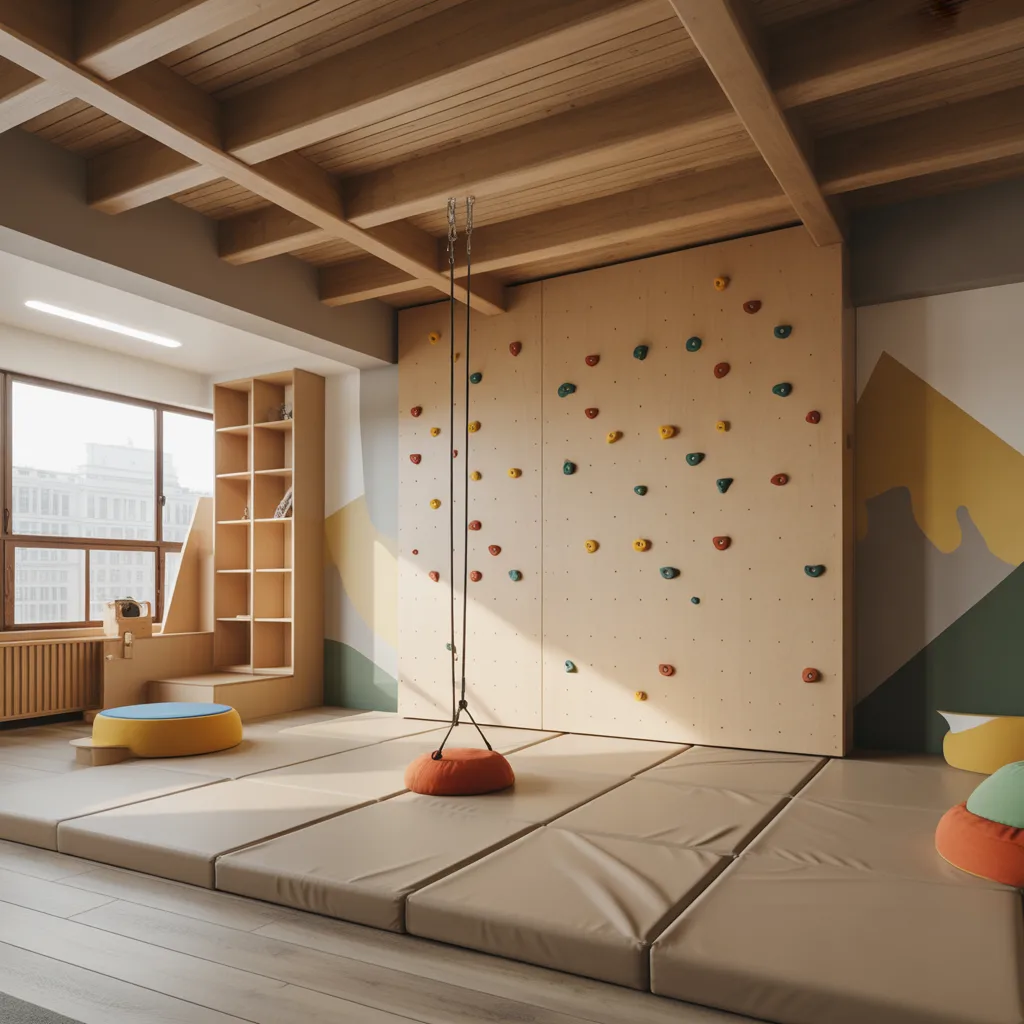
An indoor climbing wall adds physical activity to the playroom in a safe and engaging way. Install a small wall with soft padding underneath to protect against falls. Choose colorful holds that attract attention and make climbing fun. This setup helps children build strength, coordination, and confidence as they challenge themselves.
You can adjust the difficulty level as kids grow by changing the hold positions. Keep supervision in mind and ensure the structure remains secure. A climbing wall turns active play into a daily habit and gives kids a healthy outlet for energy. It also teaches problem solving as they figure out the best way to climb.
4. Creative Building Zone
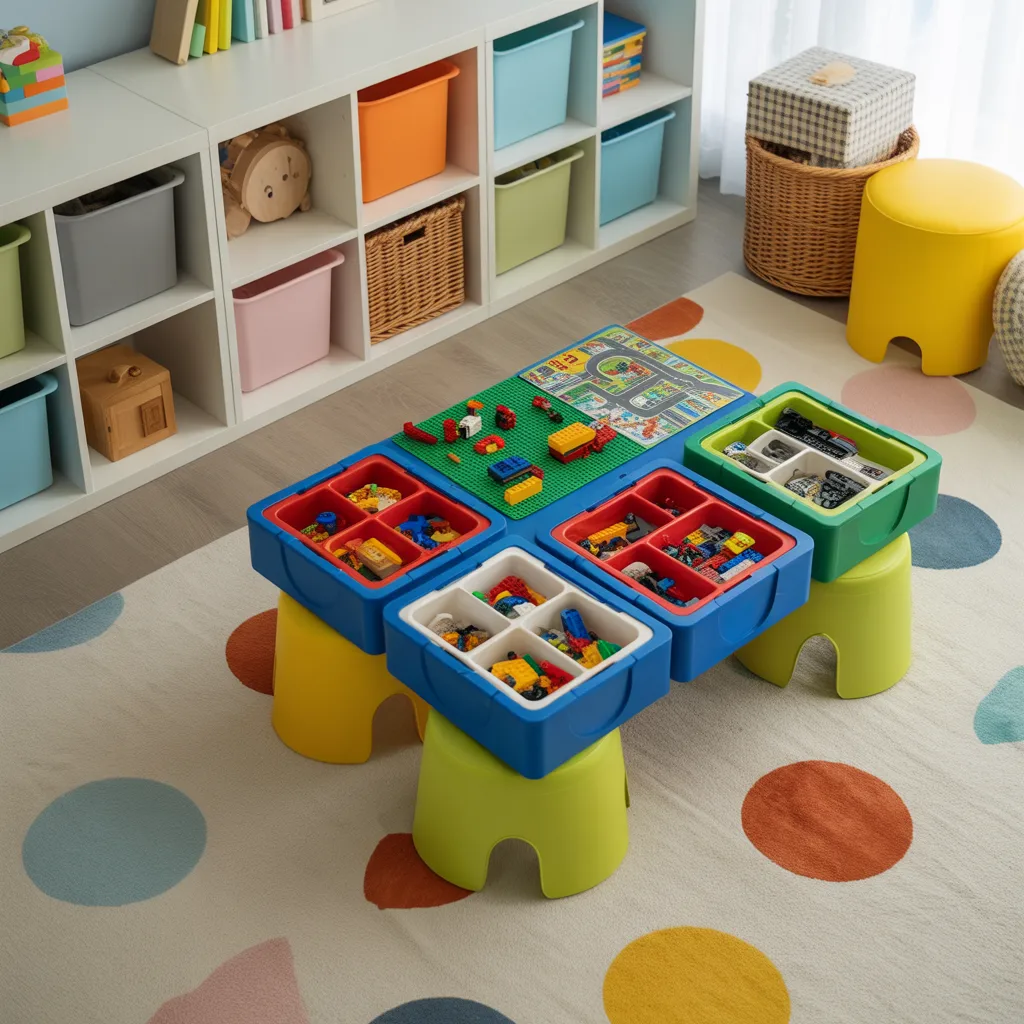
A creative building zone gives kids the freedom to design and construct their own worlds. Include a sturdy table and bins filled with blocks, bricks, or magnetic tiles. Clear storage keeps pieces organized and easy to find. This type of play strengthens problem solving skills and encourages imaginative thinking.
You can add themed sets or mix materials to keep the space fresh. Encourage kids to leave their creations on display for a few days. This helps them value their effort and revisit ideas. A building zone supports both independent play and group interaction, making it a flexible and meaningful part of the playroom.
5. Pretend Play Kitchen
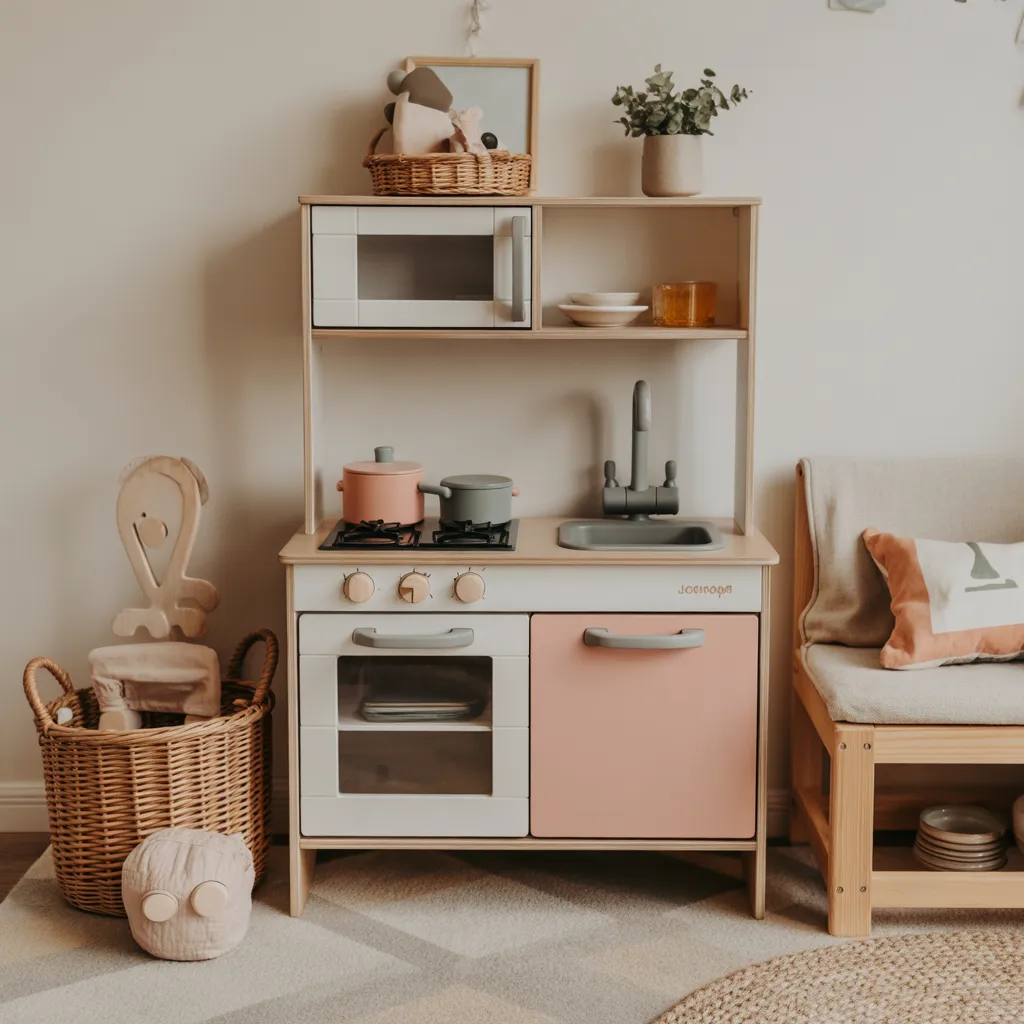
A pretend play kitchen allows children to explore real life roles through play. Provide a small kitchen set, toy food, and utensils. Keep everything organized so kids can easily start their own games. This setup helps develop social skills and encourages storytelling as children act out daily routines.
You can rotate accessories like grocery items or cooking tools to keep the experience new. Playing kitchen also builds language skills as kids describe actions and create conversations. It becomes a space where imagination blends with everyday life, helping children understand the world around them in a fun way.
6. Sensory Play Area
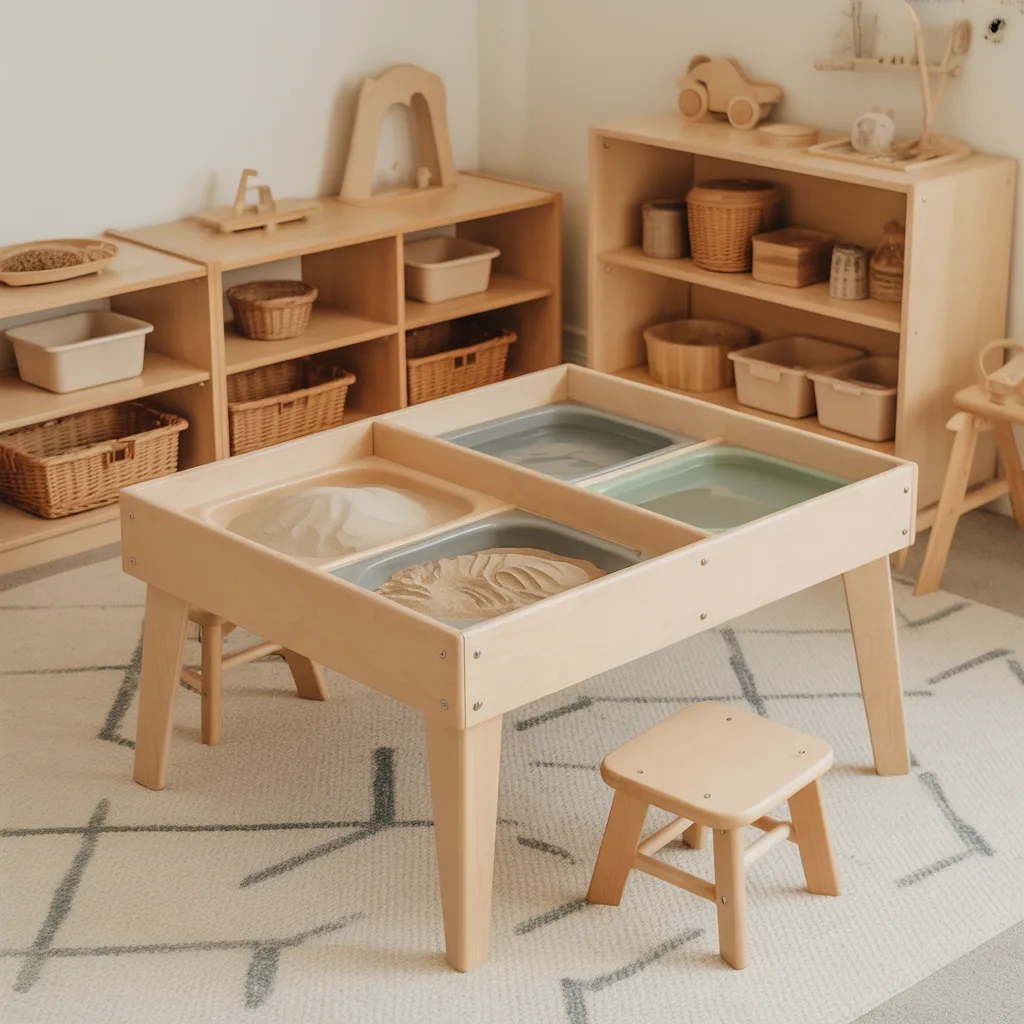
A sensory play area supports early learning through touch and exploration. Use bins filled with sand, water, or textured materials. Keep the setup simple and easy to clean. This type of play helps children develop fine motor skills and improves focus. It also provides a calming experience that supports emotional balance.
Rotate materials often to introduce new sensations. Add tools like scoops or cups to extend playtime. Sensory play encourages curiosity and allows kids to explore at their own pace. It creates a safe space where learning happens naturally through hands on experience.
7. Music and Movement Corner
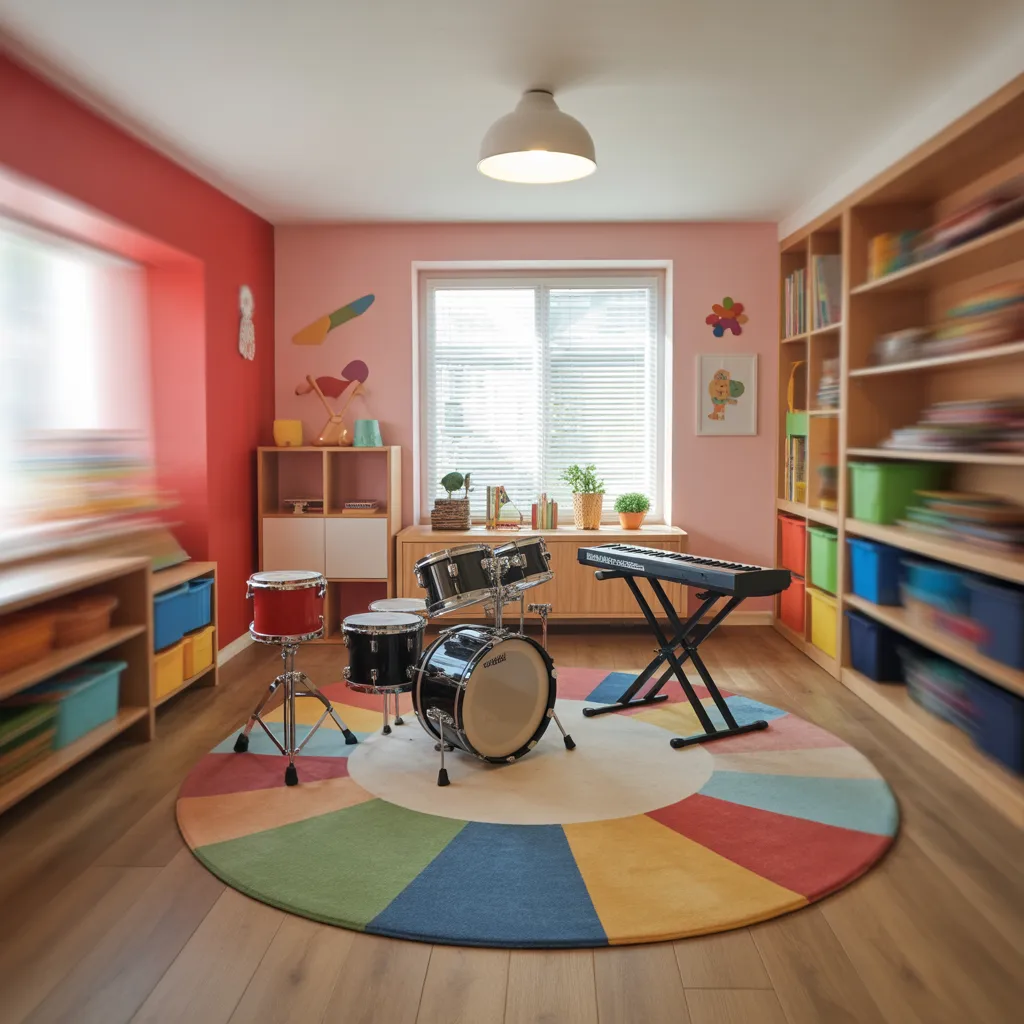
A music and movement corner helps children express themselves through sound and rhythm. Include simple instruments like drums, shakers, or a small keyboard. Keep the space open so kids can move freely. Music play supports creativity and improves coordination while making learning fun.
Encourage kids to explore different sounds and create their own songs. You can also play background music to inspire movement. This area becomes a lively part of the playroom where children release energy and build confidence through performance and expression.
8.Dress Up and Role Play Zone
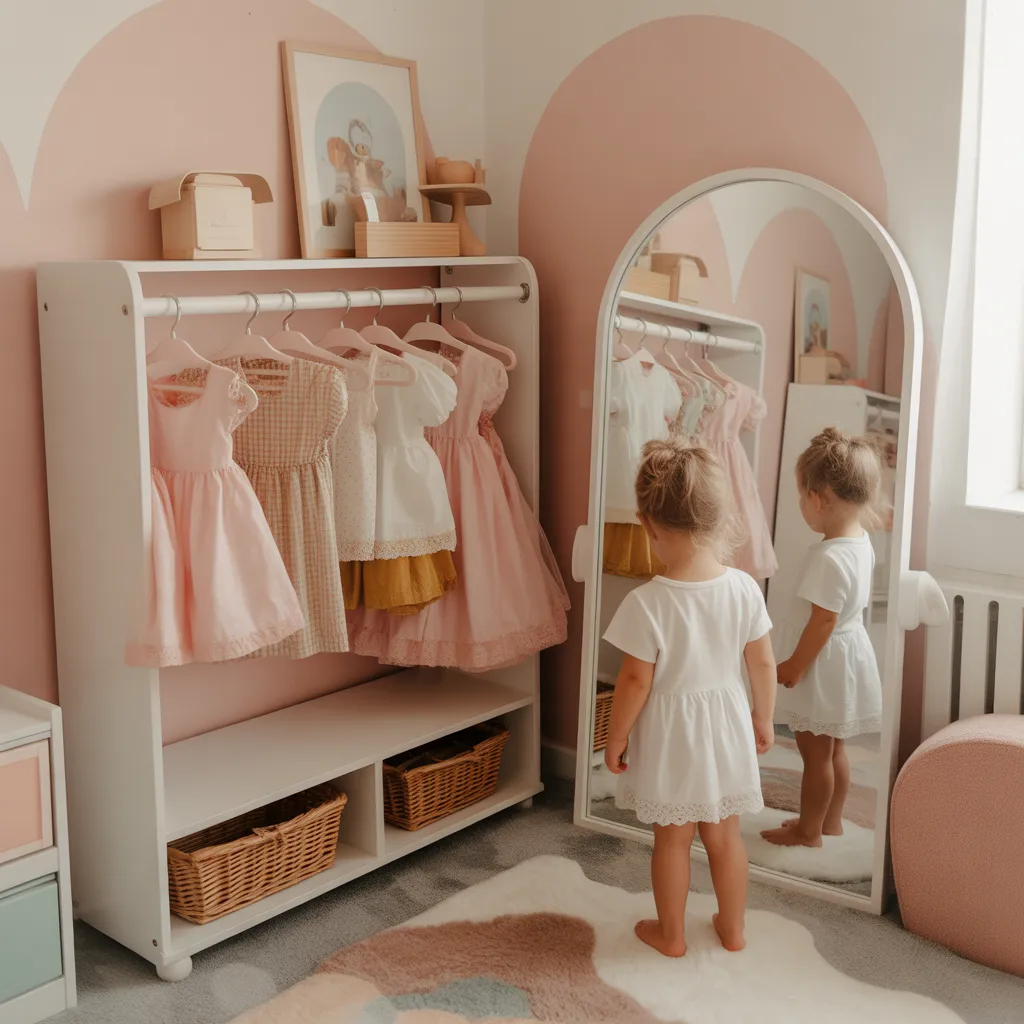
A dress up and role play zone invites children to step into different characters. Provide costumes, hats, and a mirror so kids can fully engage in their roles. This setup encourages imagination and helps build social understanding through pretend scenarios.
Keep costumes organized and easy to access. Rotate outfits to match seasons or themes. Role play supports emotional growth and allows children to explore different perspectives. It creates a fun and interactive environment where storytelling comes to life.
9.Chalkboard or Whiteboard Wall
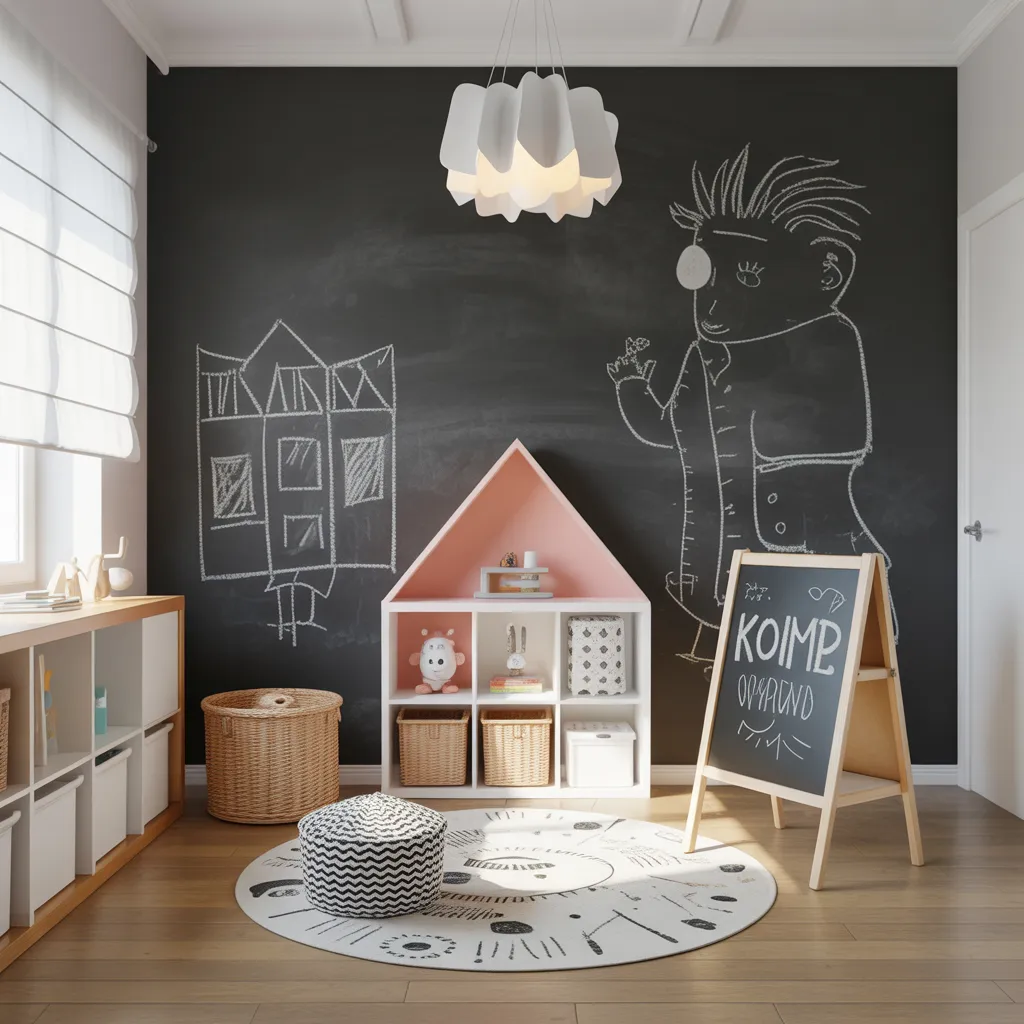
A chalkboard or whiteboard wall gives children a large space to draw and write freely. It encourages creativity without limits and allows easy cleanup. This setup supports early learning skills like writing and drawing while making the process enjoyable.
You can guide kids with simple prompts or let them explore on their own. The wall becomes a place where ideas evolve every day. It also helps build confidence as children see their work displayed in a big and visible way.
10. Puzzle and Brain Game Station
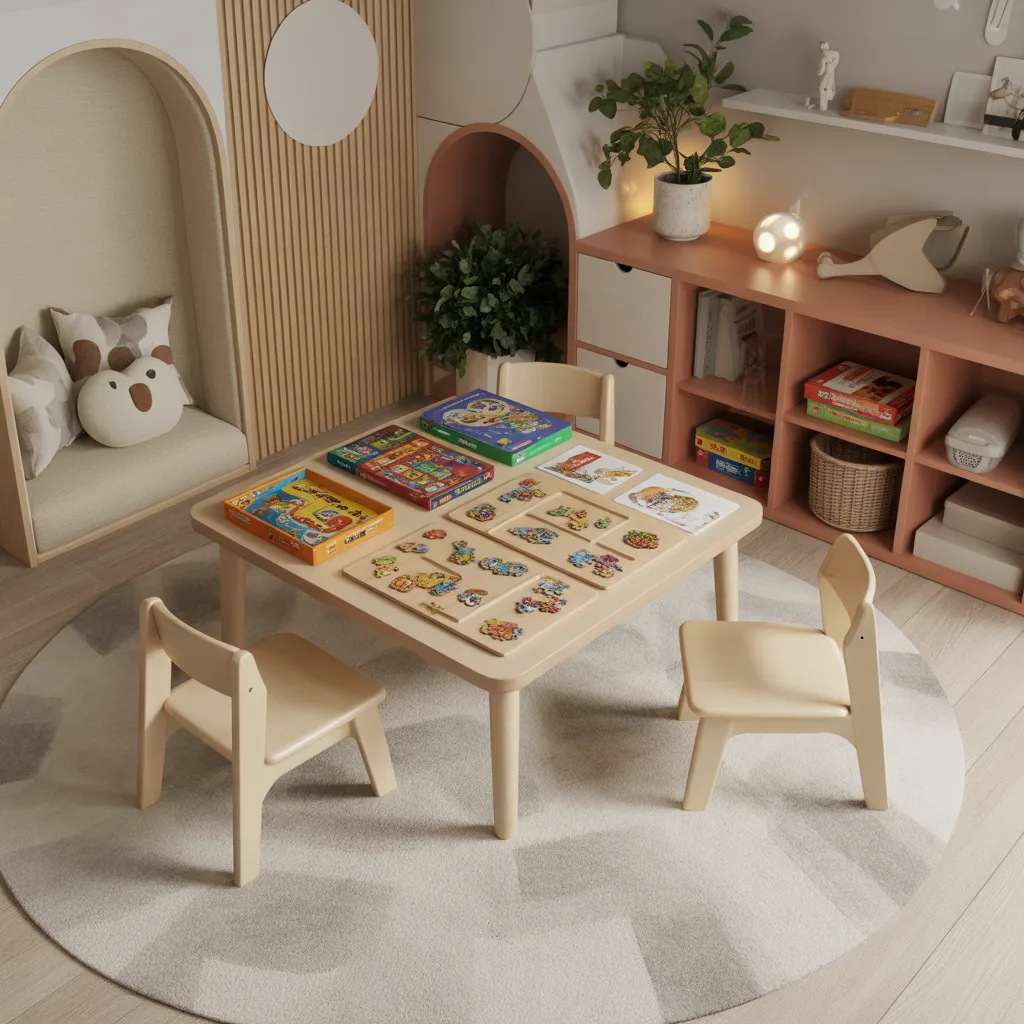
A puzzle and brain game station challenges children to think and solve problems. Use a table with puzzles, memory games, and logic toys. Keep items organized so kids can choose easily. This area supports cognitive development and improves focus.
Rotate games to keep the space engaging. Encourage kids to complete puzzles independently or with friends. This station becomes a quiet yet stimulating part of the playroom where learning feels rewarding and fun.
11. Nature Inspired Play Space
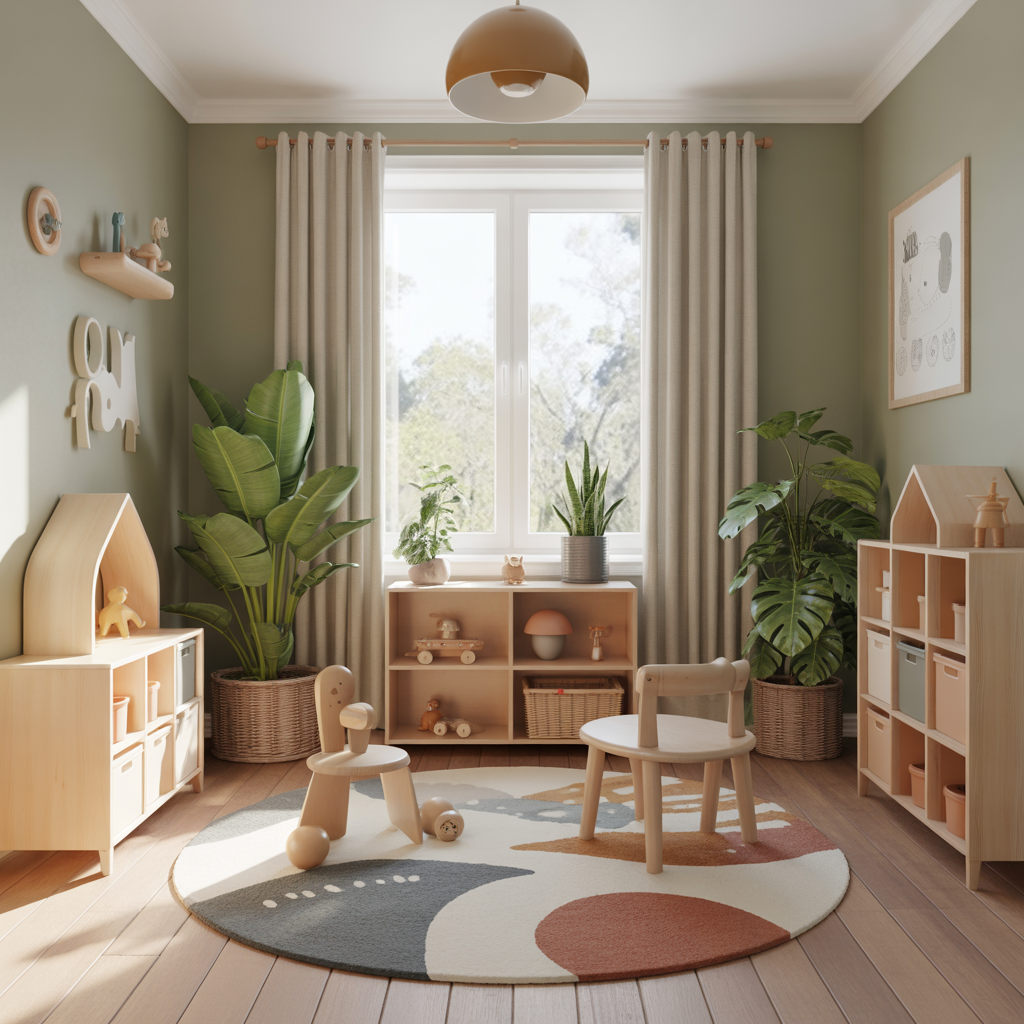
A nature inspired play space brings calm and balance into the playroom. Use natural colors, wooden toys, and small plants to create a soothing environment. This setup connects children with nature and encourages mindful play.
You can add elements like stones or leaves for exploration. Keep the design simple and clutter free. A nature themed space supports creativity while helping children feel relaxed and focused during playtime.
12. Mini Stage for Performances
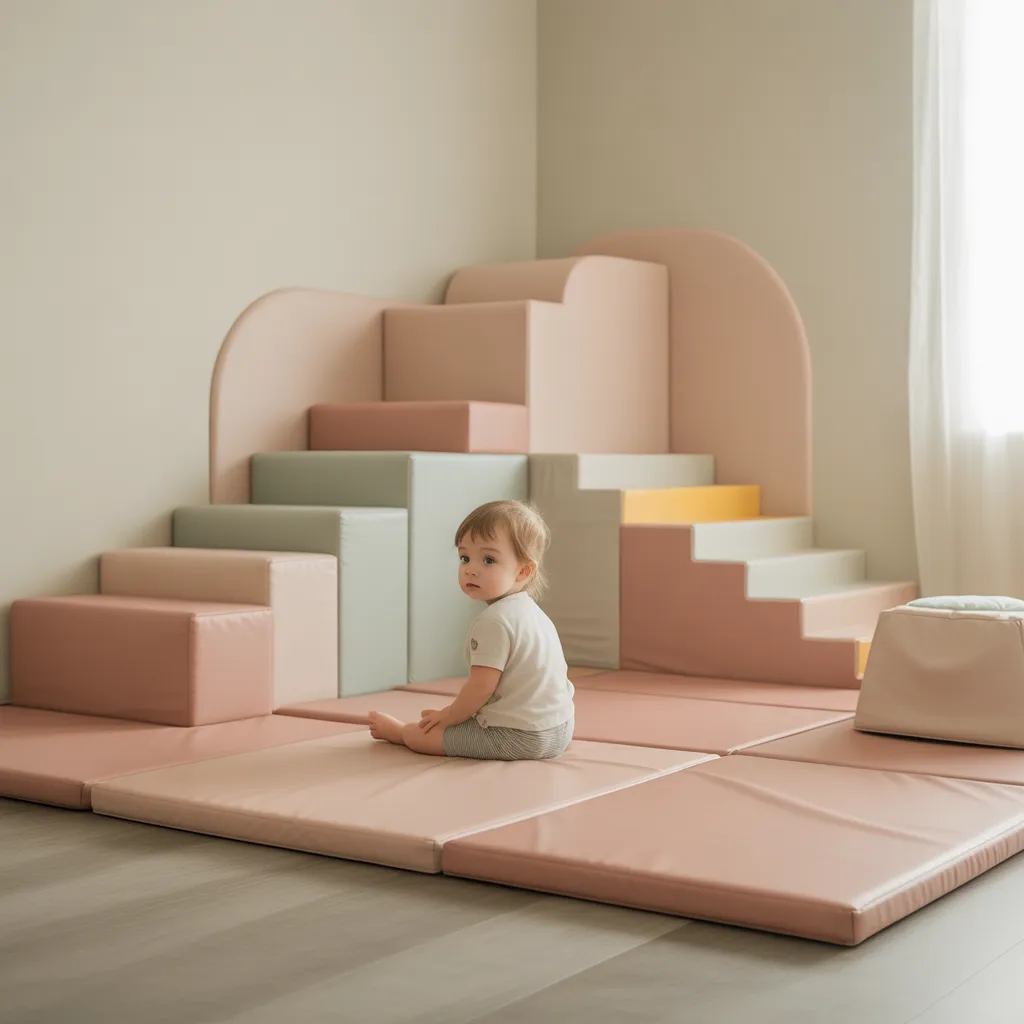
A mini stage allows children to perform and express themselves. Use a small platform or open area with curtains. This setup encourages confidence and creativity as kids act, sing, or dance.
You can invite family members to watch performances. This builds communication skills and helps children feel valued. A stage turns playtime into a meaningful experience where imagination takes center stage.
13. STEM Exploration Zone
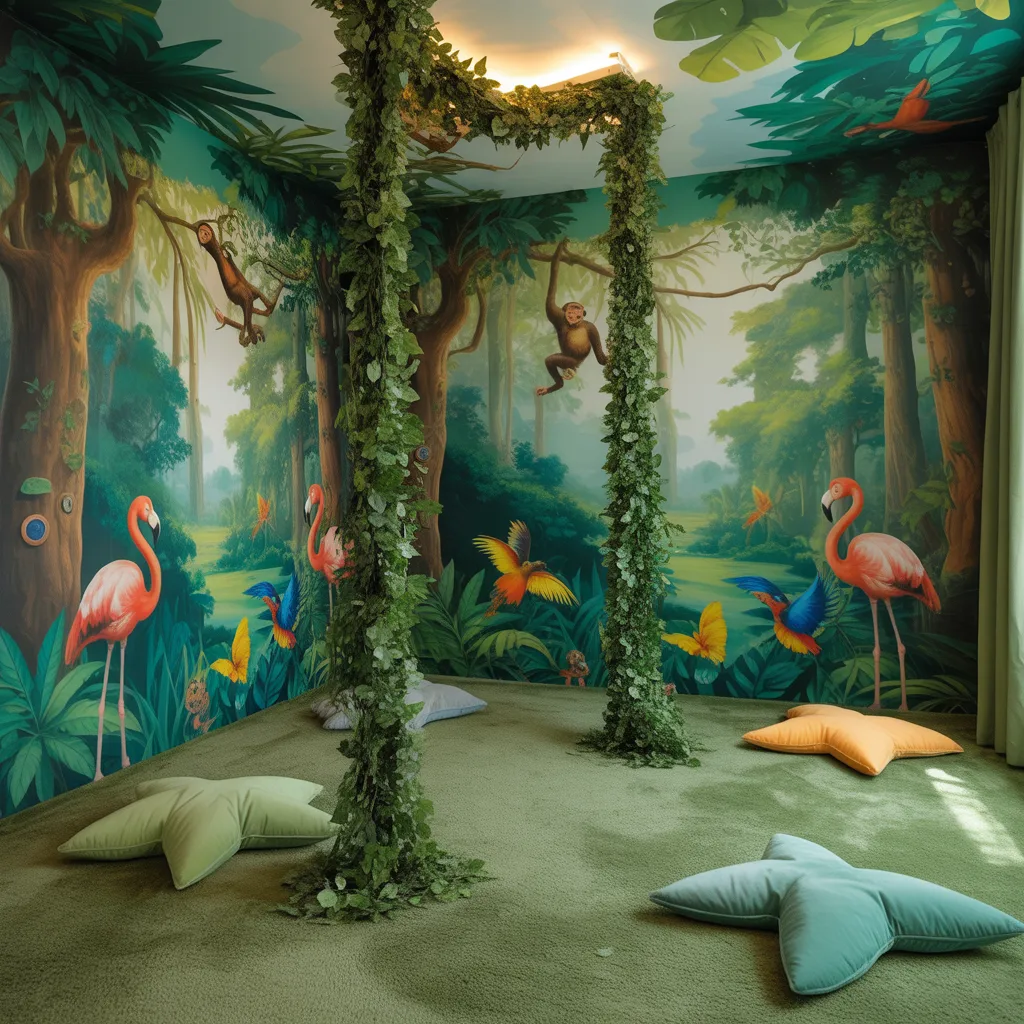
A STEM exploration zone introduces children to science and problem solving. Include simple kits, building tools, and educational toys. This setup encourages curiosity and supports logical thinking.
Keep activities age appropriate and engaging. Rotate projects to maintain interest. A STEM area helps children learn through hands on experience and builds skills that support future learning.
14. Soft Play Area for Younger Kids
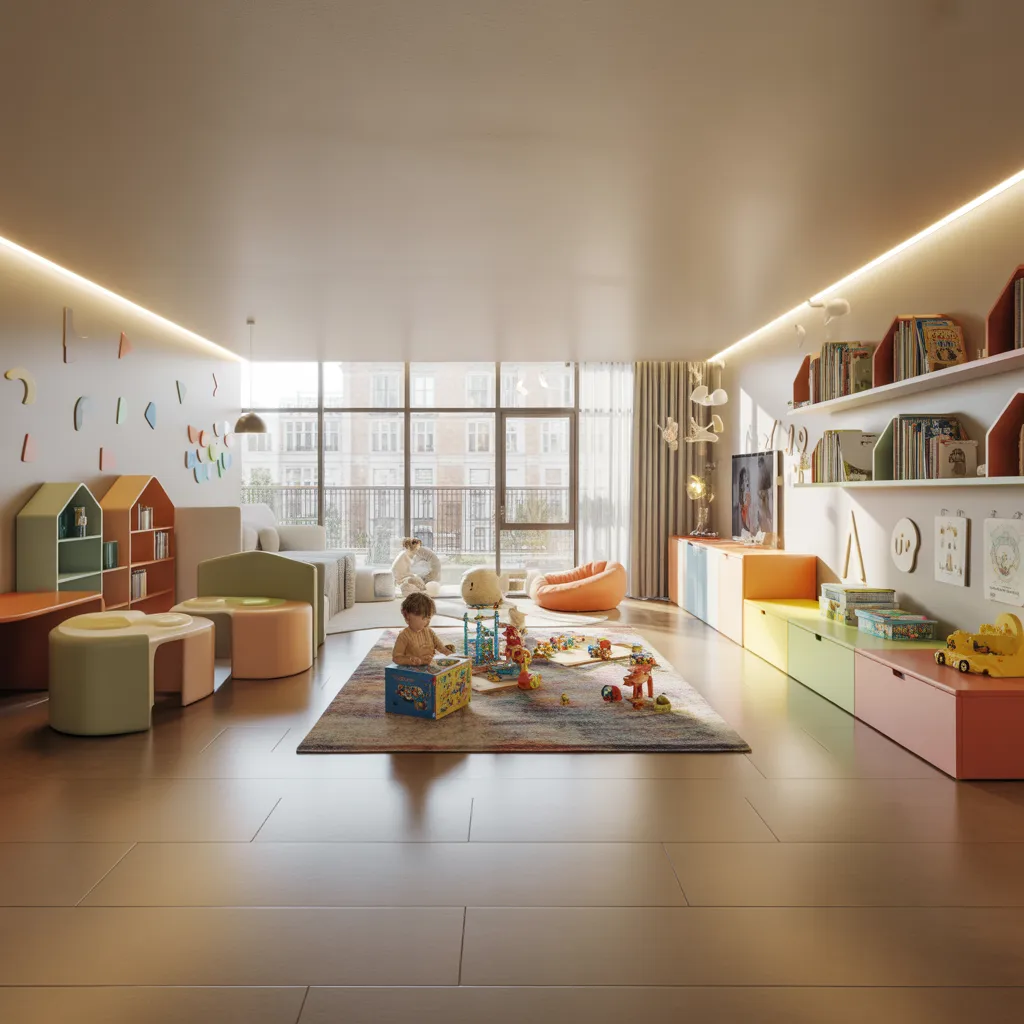
A soft play area provides a safe space for younger children. Use foam mats, cushions, and soft toys to reduce risk of injury. This setup supports physical development and allows free movement.
Keep the area clean and simple. Encourage active play like crawling or climbing. A soft play zone creates a secure environment where young children can explore with confidence.
15. Themed Adventure Corner
A themed adventure corner transforms the playroom into a magical world. Choose a theme like jungle or space and decorate accordingly. This setup inspires storytelling and imaginative play.
You can add props that match the theme. Keep the design balanced so it remains functional. A themed space makes playtime exciting and encourages children to explore new ideas.
16. Organized Toy Storage System
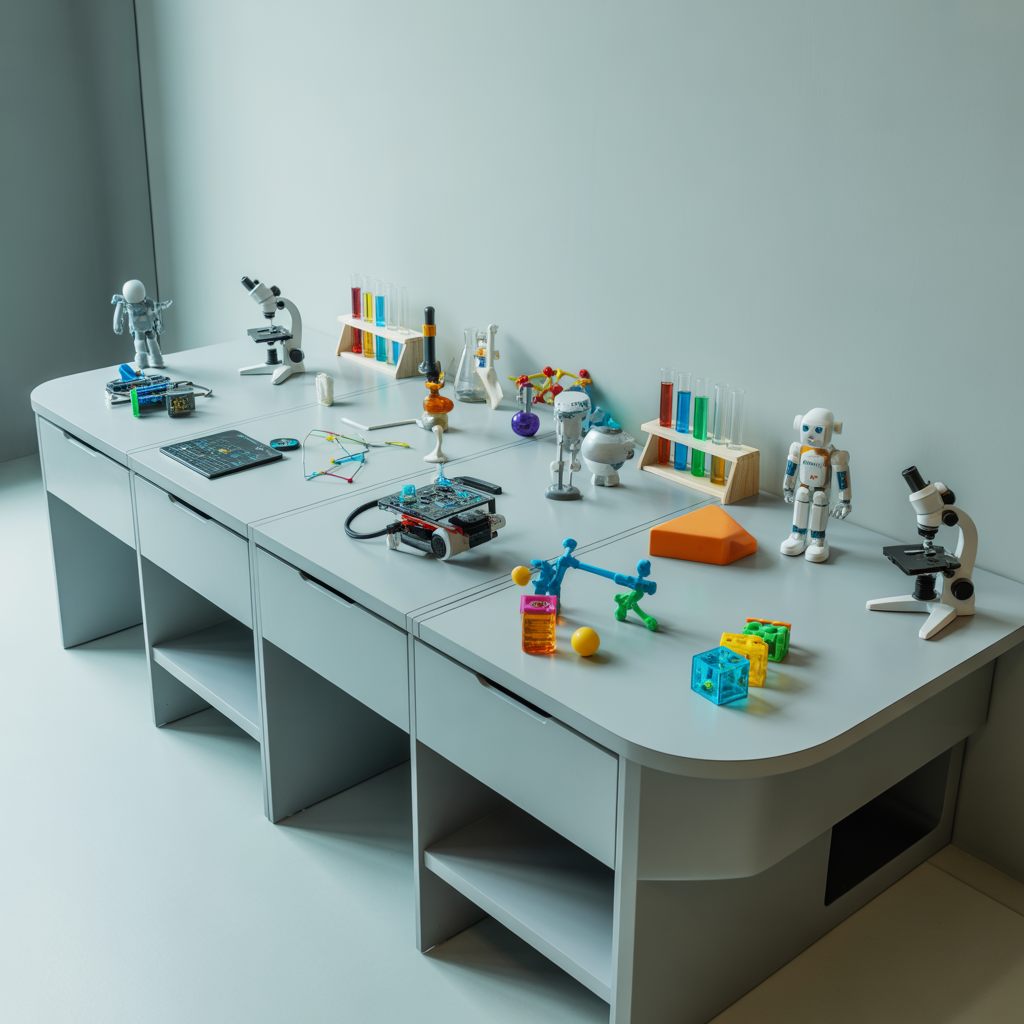
An organized storage system keeps the playroom tidy and easy to use. Use shelves and labeled bins to sort toys. This setup teaches children responsibility and helps them manage their space.
Rotate toys to avoid overload and keep interest fresh. A clean environment improves focus and makes playtime more enjoyable. Organization supports both creativity and discipline in daily routines.
17. Multi Functional Playroom Layout
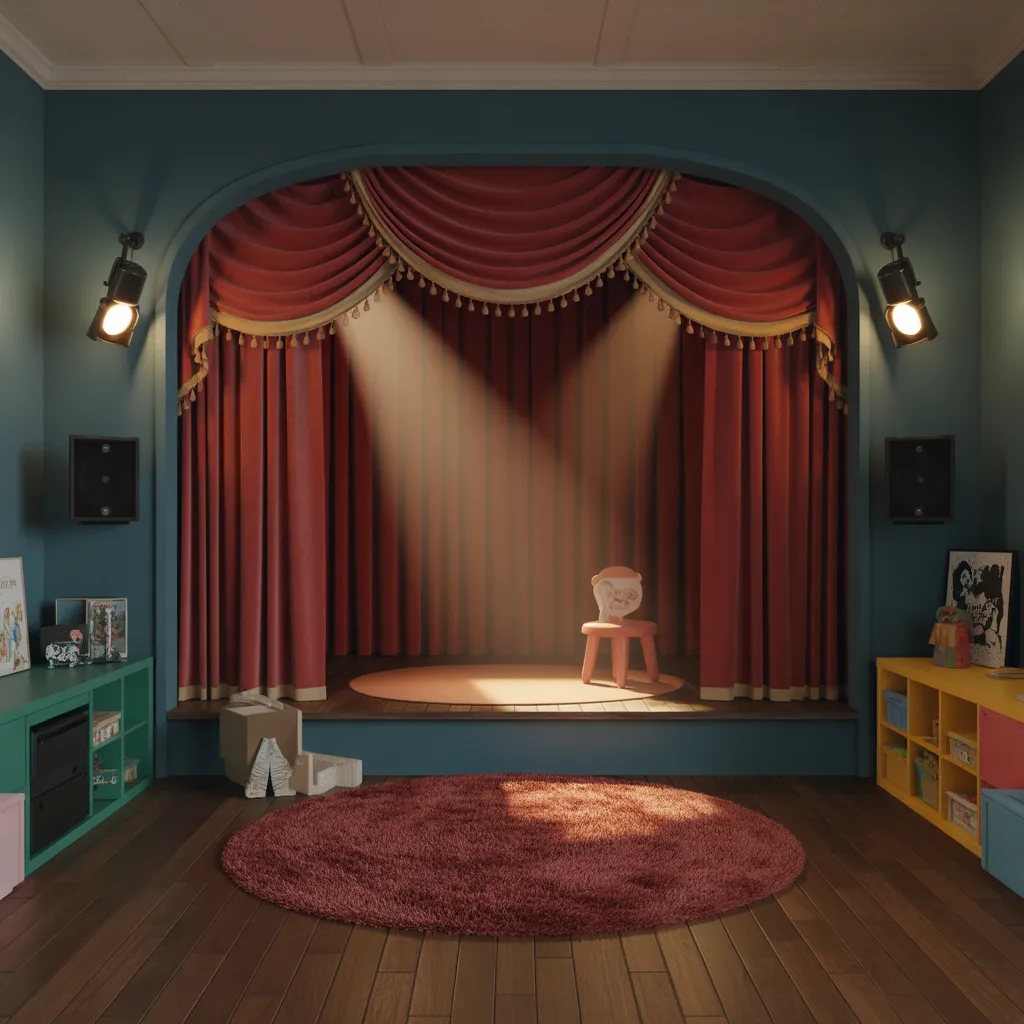
A multi functional layout combines different play zones in one space. Divide the room into areas for art, reading, and active play. This setup allows children to move between activities بسهولة and keeps the room dynamic.
Use furniture that serves multiple purposes. Keep pathways clear to maintain flow. A well planned layout ensures the playroom stays practical while supporting different types of play and learning.
Conclusion
A thoughtfully designed playroom can shape how children learn, create, and grow every day. Each idea in this guide focuses on building a space that supports imagination, comfort, and development. When you combine creativity with function, the playroom becomes more than just a place to play. It turns into an environment where children explore ideas, build confidence, and enjoy meaningful experiences that stay with them as they grow.