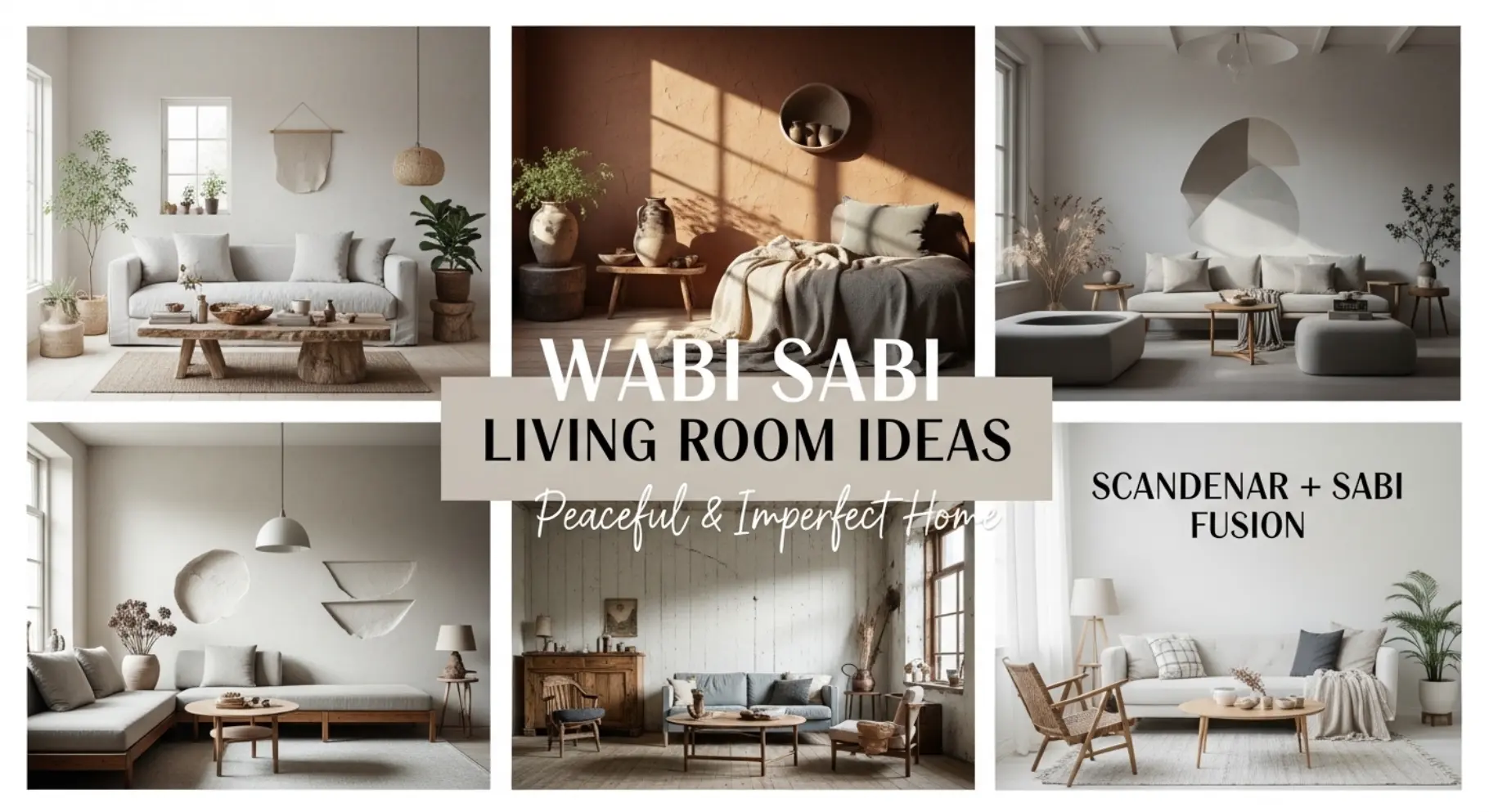
A calm home does not need perfect design or expensive decor. This guide on 21 Wabi Sabi Living Room Ideas for a Peaceful and Imperfect Home helps you create a space that feels natural, quiet, and deeply comforting. The focus stays on simplicity, texture, and meaningful objects that bring a sense of peace into your daily life.
Wabi sabi living encourages you to accept imperfection and value authenticity. Instead of chasing trends, you build a space that reflects real life. Soft colors, raw materials, and open space work together to create a grounded environment that feels both relaxing and personal.
idea 1: Earthy Neutral Foundation
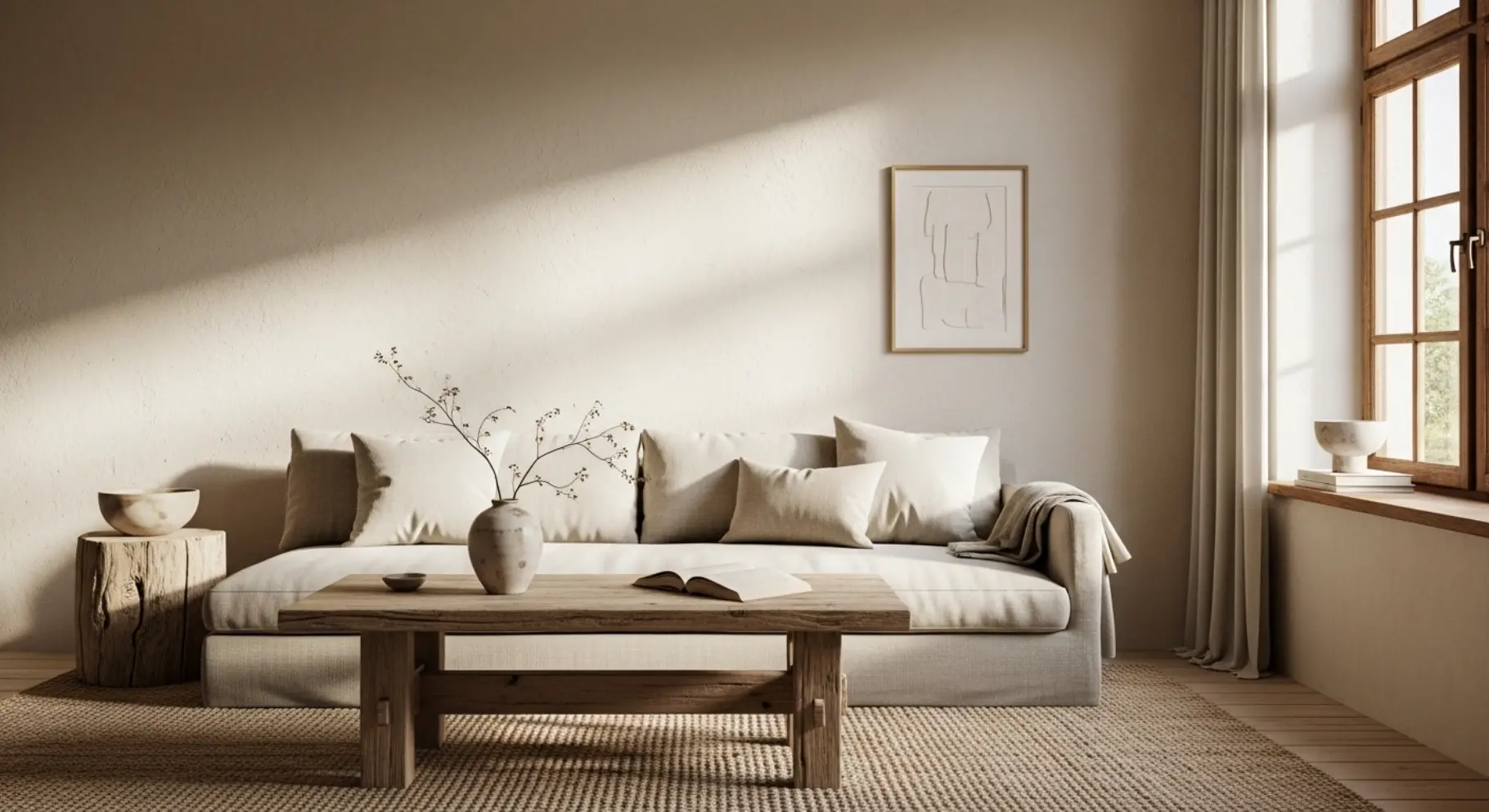
Earthy neutral colors form the foundation of a wabi sabi living room. Shades like warm white, beige, taupe, and soft gray create a soothing background that helps the eyes relax. These tones never feel loud or distracting, which allows the space to feel naturally calm and balanced. When you choose neutral colors for walls and furniture, the room instantly feels more open, airy, and comfortable to live in.
This type of base also gives you flexibility in styling. You can introduce texture and natural materials without making the room feel heavy. Linen upholstery, cotton fabrics, and soft layered elements blend beautifully into this palette. The result is a timeless look that does not rely on trends, but instead feels grounded and peaceful throughout the year.
Idea 2: Raw Wood Elements
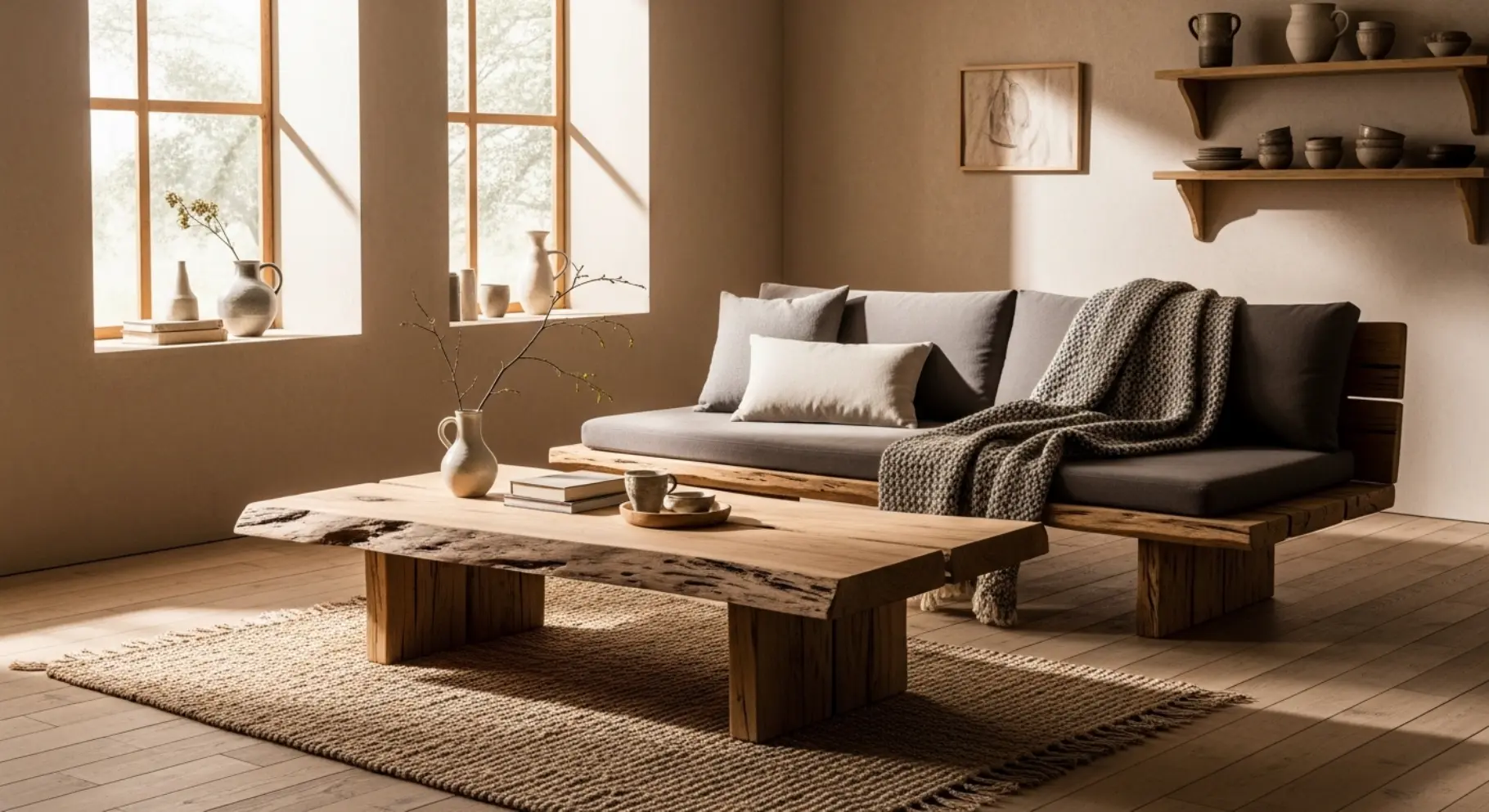
Raw wood is a core element in wabi sabi design because it reflects authenticity. Instead of polished or glossy furniture, choose wooden pieces that show natural grain, knots, and subtle imperfections. These details are not flaws, but rather the features that bring character into the space and make it feel more real and grounded.
Wooden coffee tables, open shelving, or side tables in their natural form add warmth to the room. Over time, wood develops more depth and personality, which aligns perfectly with the wabi sabi philosophy. This approach helps create a living room that feels lived-in, soulful, and deeply connected to nature.
Idea 3: Soft Natural Lighting
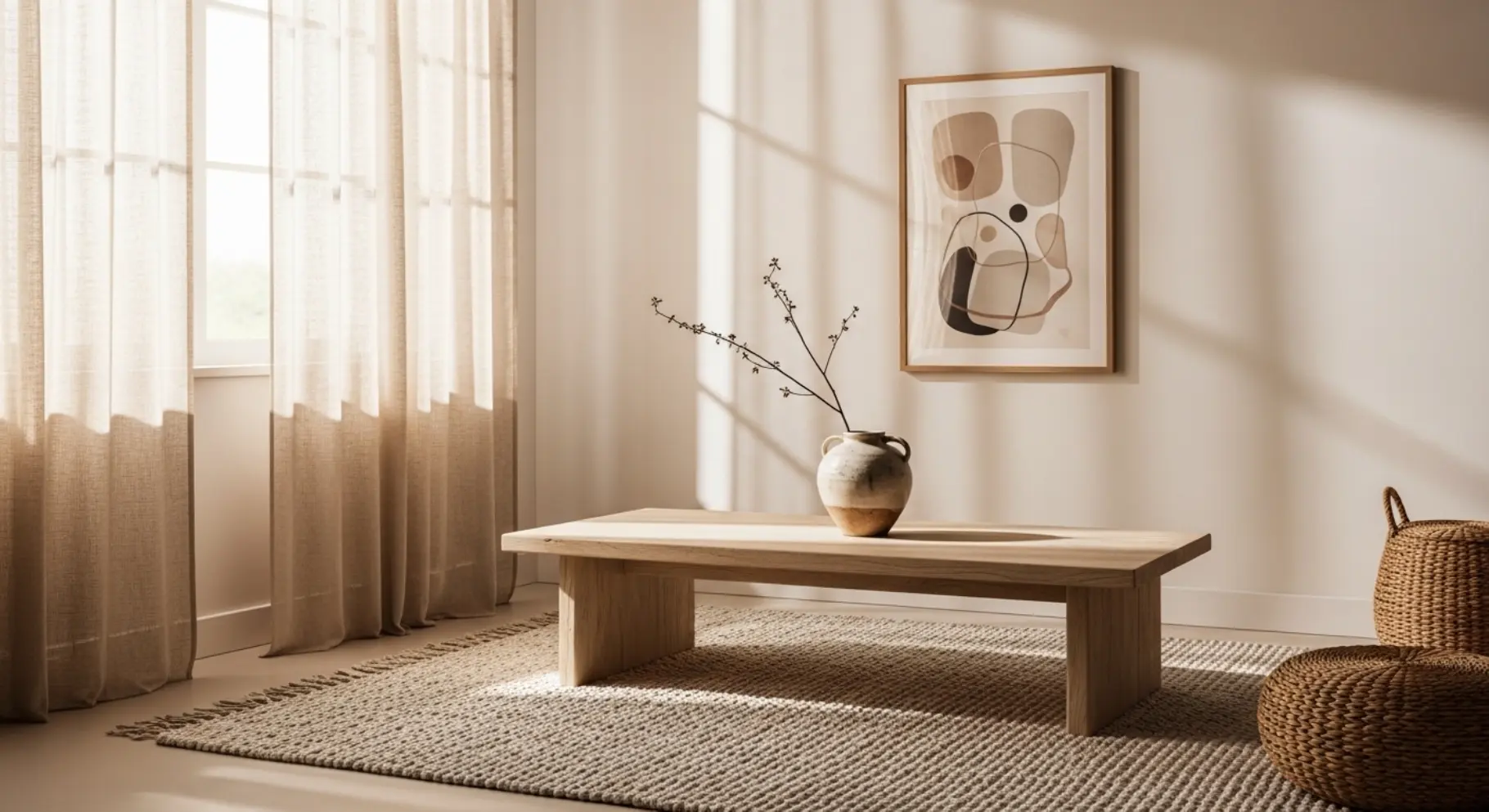
Lighting does more than brighten a room; it defines the entire mood. In a wabi sabi living room, harsh lighting is avoided in favor of soft, diffused natural light. Sheer curtains allow sunlight to filter gently into the space, creating a warm and calming glow that feels effortless and peaceful.
During the evening, warm lamps with low intensity work best. Bright white lights can make the space feel cold and artificial, which goes against the wabi sabi aesthetic. Soft lighting supports relaxation and helps create an environment where you can truly unwind after a long day.
Idea 4: Handmade and Imperfect Decor
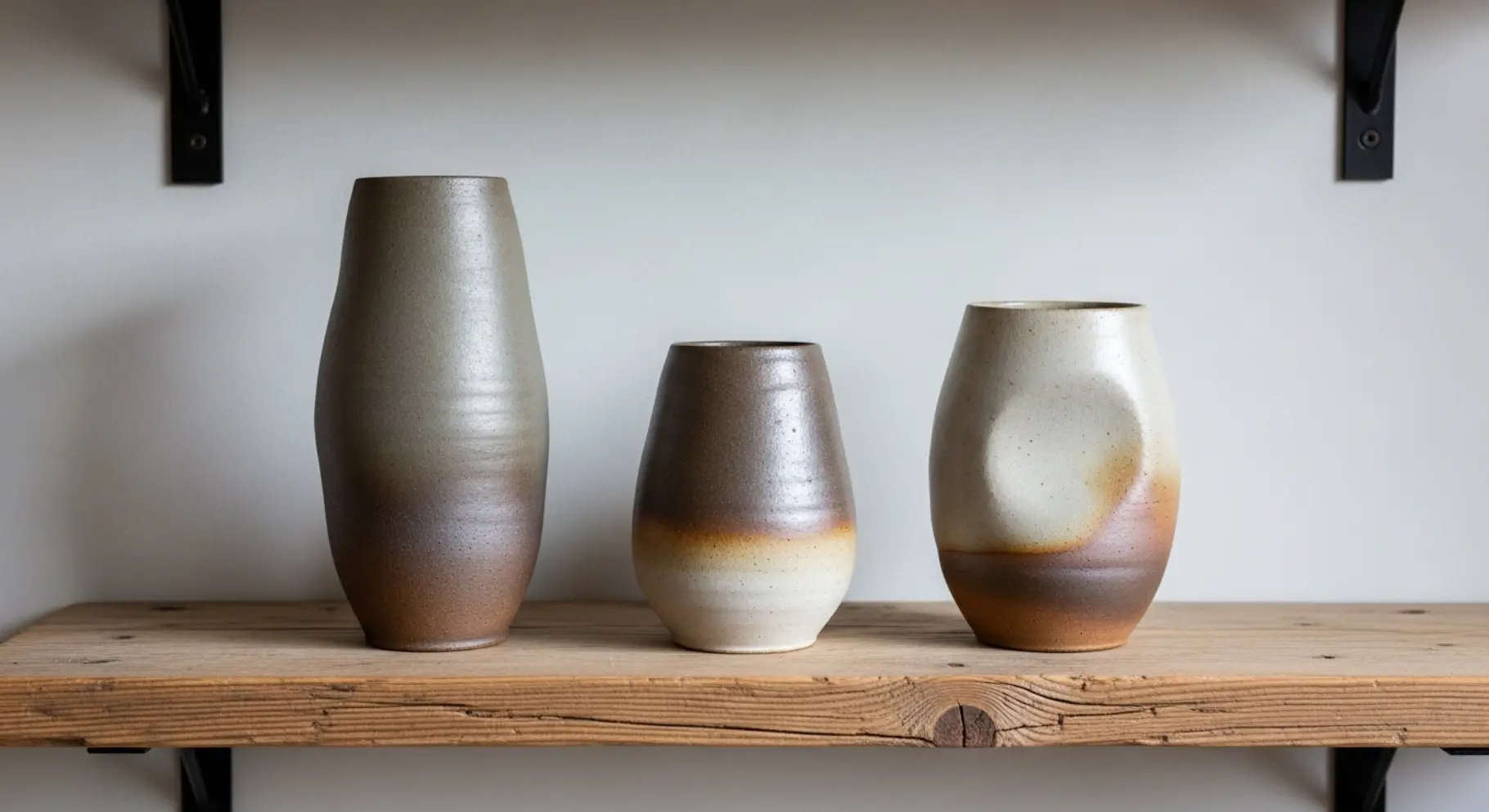
Handmade decor pieces capture the true essence of wabi sabi living. Instead of machine-made perfection, choose pottery or ceramics with slight irregularities in shape and texture. Each piece feels unique and carries its own story, which adds a personal and meaningful touch to your living room.
There is no need to fill every surface with decor. One or two carefully chosen items can create more impact than a crowded arrangement. This minimal approach reduces visual clutter and allows each object to stand out, helping the room feel balanced, intentional, and calm.
Idea 5: Low Seating Arrangement
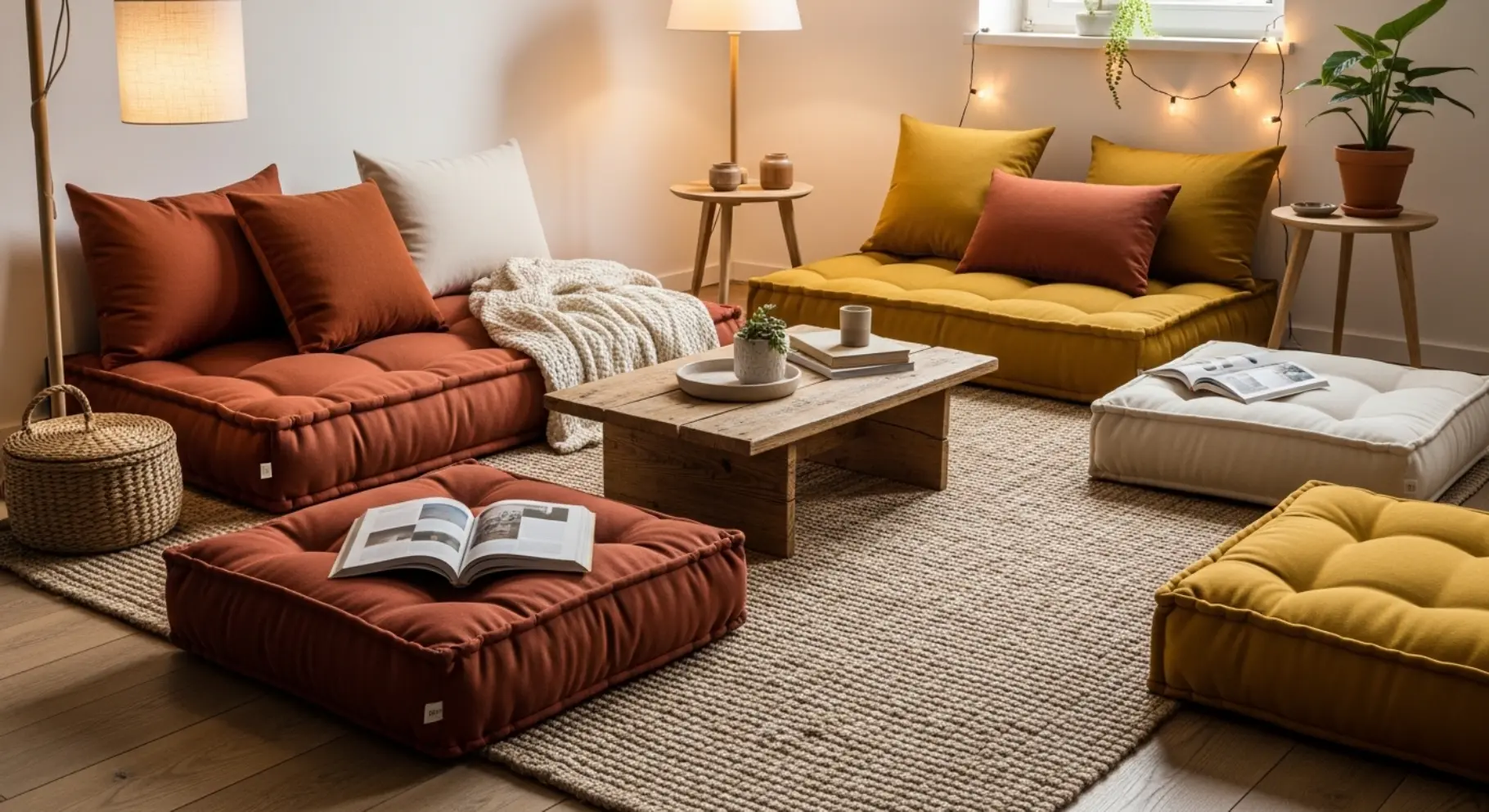
A low seating arrangement creates a grounded and intimate atmosphere. Floor cushions, low sofas, or simple benches make the space feel relaxed and welcoming. This style works especially well for those who prefer a cozy and informal environment where comfort comes first.
Another benefit of low seating is that it makes the room appear more spacious. Compared to bulky furniture, lower pieces create a more open and flowing layout. This setup encourages connection, conversation, and ease, which aligns beautifully with the wabi sabi lifestyle.
Idea 6: Layered Natural Textiles

Textures play a key role in bringing life to a wabi sabi living room. By layering linen cushions, cotton covers, and wool throws, you add depth and warmth without relying on bold colors. This layering creates visual interest while maintaining a soft and calming look.
Instead of perfectly pressed fabrics, embrace slightly wrinkled and natural textures. These small imperfections make the space feel authentic and lived-in. Soft textiles also enhance comfort, making your living room a place where relaxation feels effortless and natural.
Idea 7: Minimal Wall Styling
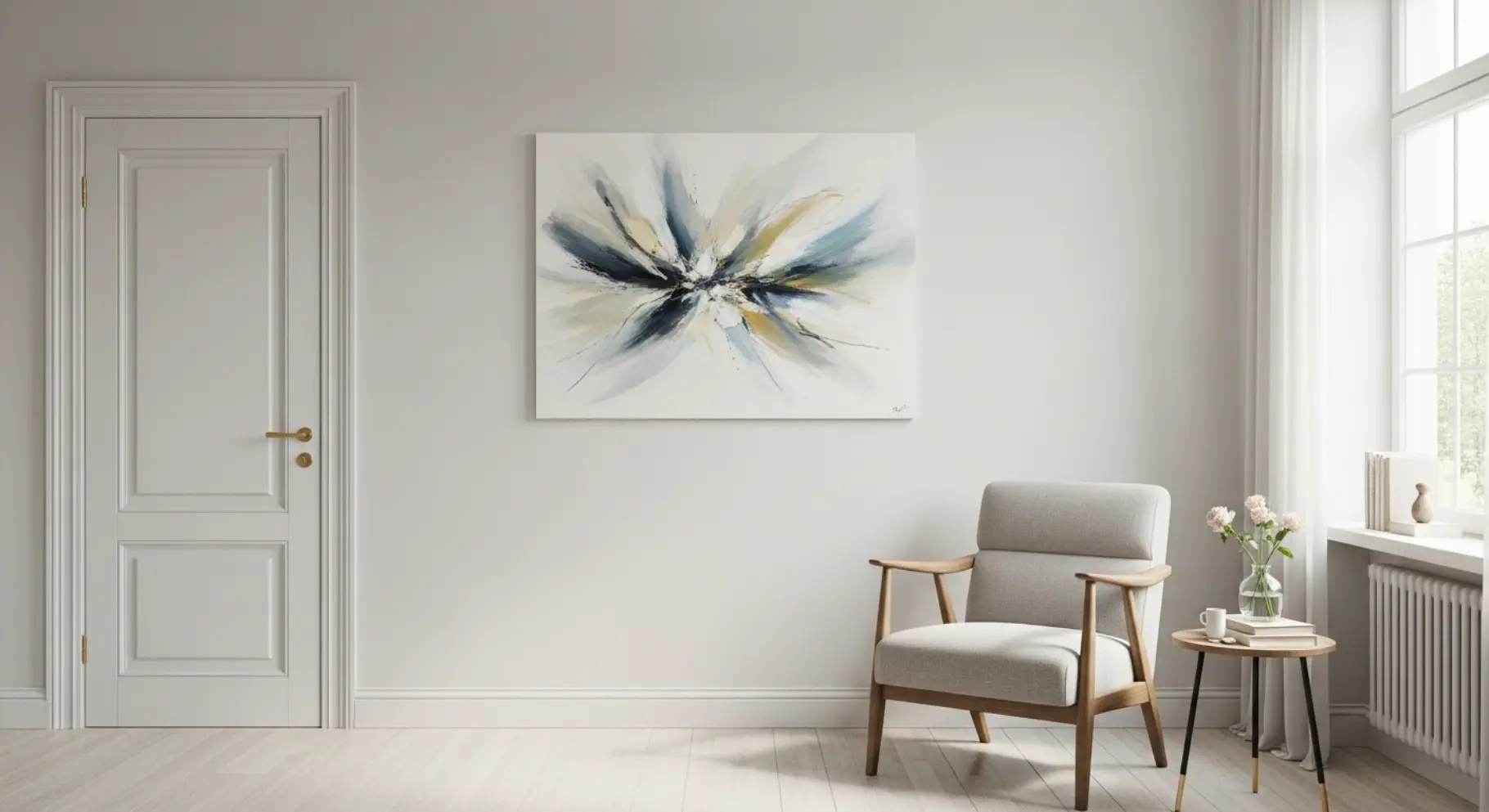
Walls in a wabi sabi living room should feel calm and uncluttered. Choose minimal wall art that reflects simplicity, such as abstract paintings or soft-toned landscapes. These pieces enhance the mood of the room without becoming a distraction.
Leaving some wall space empty is just as important. Negative space allows the artwork to stand out and gives the room a sense of openness. This balance creates an airy and peaceful environment that feels visually light and calming.
Idea 8: Organic Indoor Plants
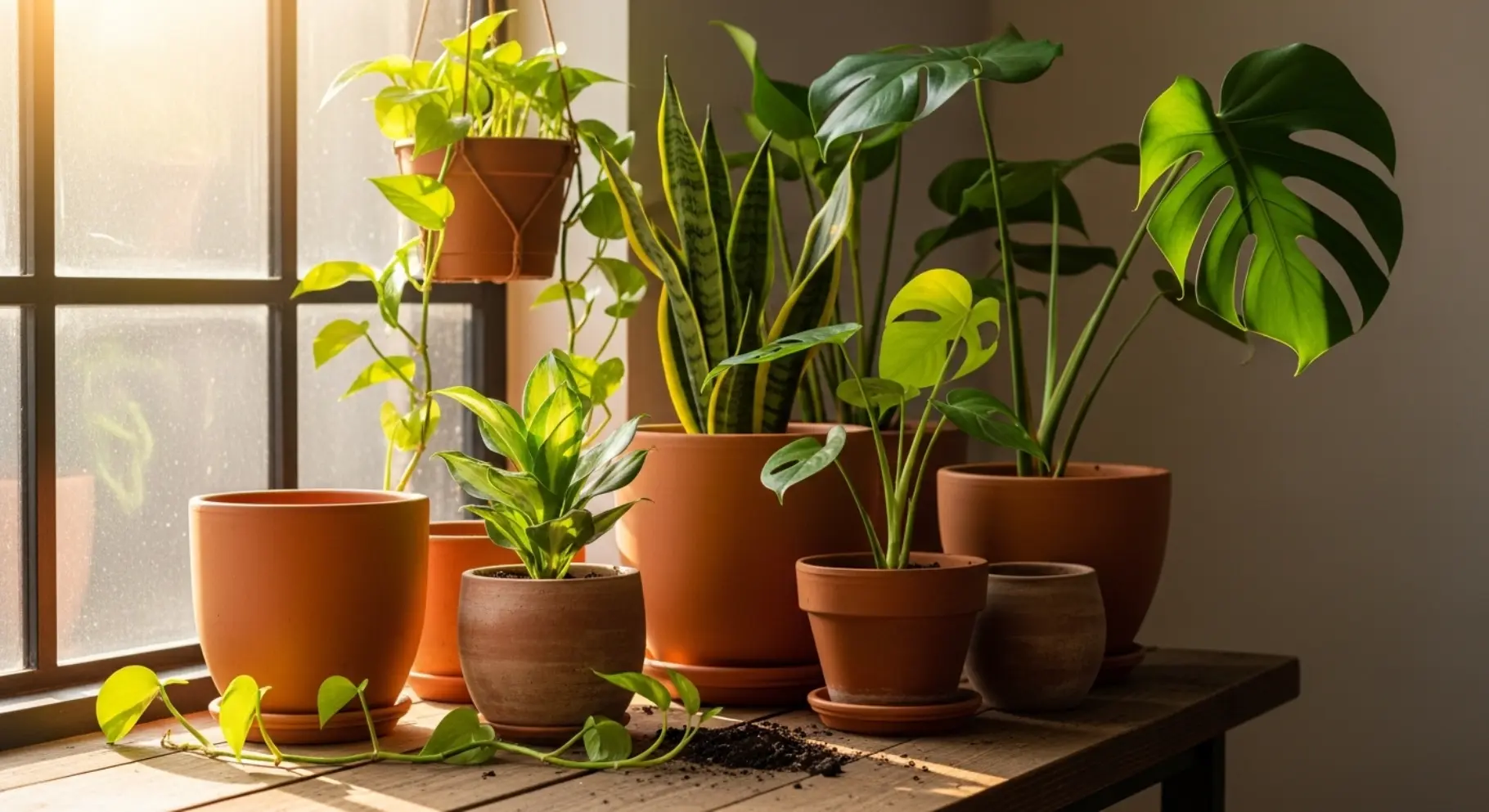
Indoor plants bring freshness and life into your living room. In wabi sabi design, plants are not overly styled or perfectly trimmed. Instead, their natural growth and slightly uneven shapes are appreciated as part of their beauty.
Using clay or ceramic pots enhances the organic feel. These materials blend seamlessly with the overall design. Plants not only improve the visual appeal of the space but also contribute to a calming and refreshing atmosphere.
Idea 9: Vintage and Aged Pieces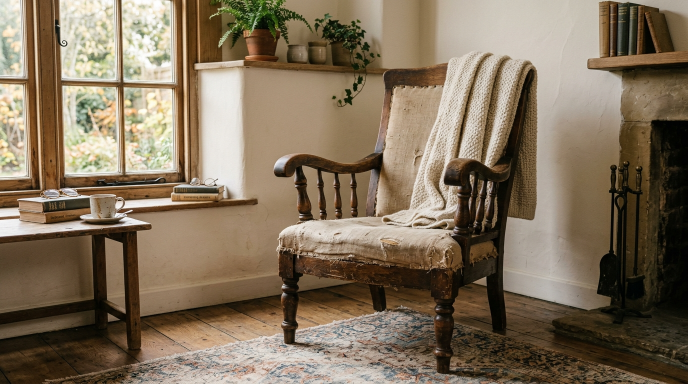
Vintage furniture and decor add depth and history to your living room. Worn edges, faded finishes, and small imperfections create a sense of authenticity that modern items often lack. These details help the space feel warm and lived-in.
You can mix vintage pieces with newer elements to create balance. This contrast adds interest without making the room feel heavy. When done thoughtfully, it results in a space that feels both timeless and unique.
Idea 10: Open and Airy Layout
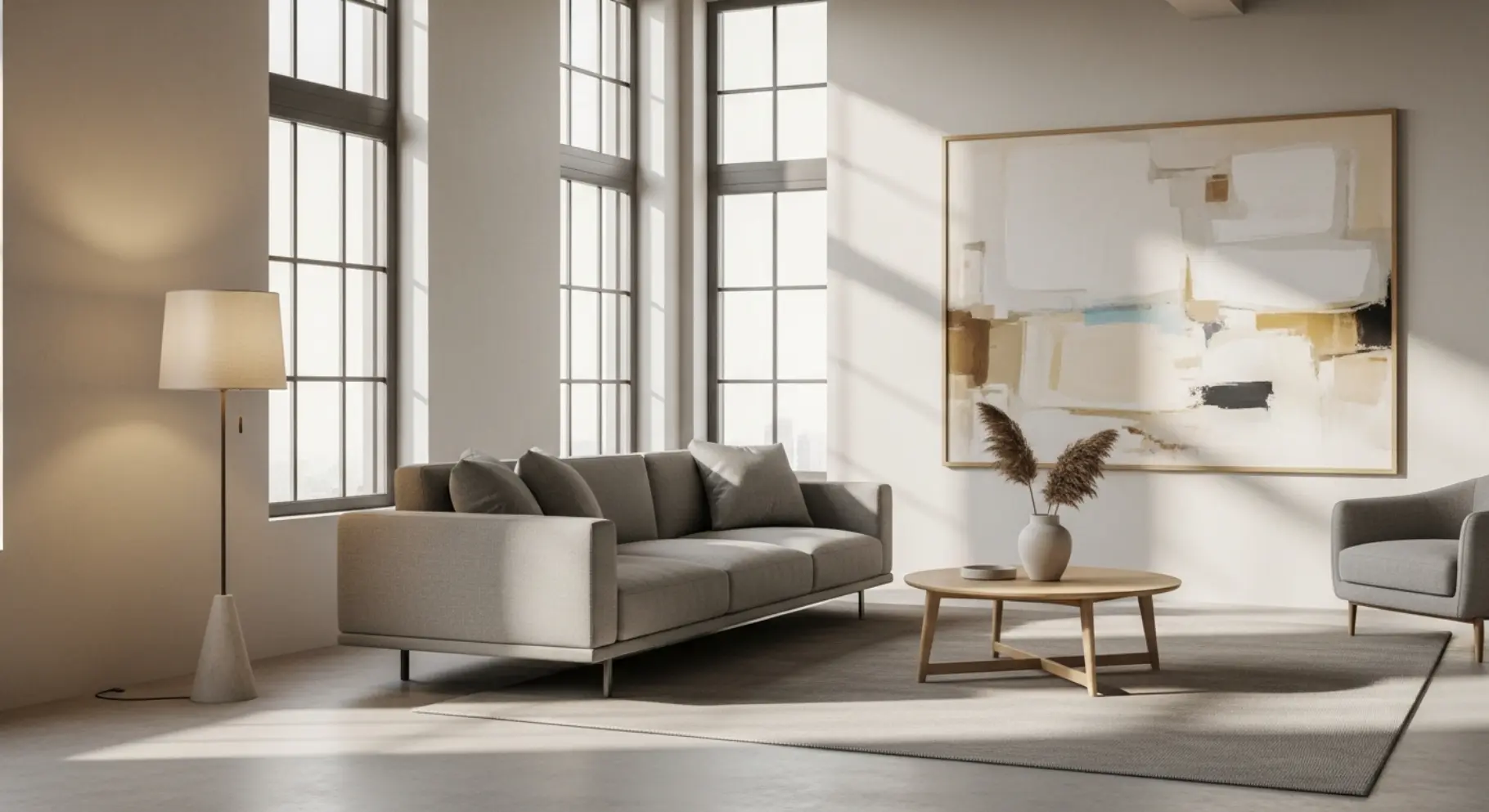
An open layout is essential in a wabi sabi living room. Removing unnecessary furniture allows the space to feel more breathable and calm. This openness not only improves movement but also creates a sense of mental clarity.
Furniture should be placed with intention and purpose. Avoid clutter and keep only what you truly need. This approach leads to a peaceful, organized environment where every element contributes to a sense of balance and ease.
Idea 11: Muted Color Accents
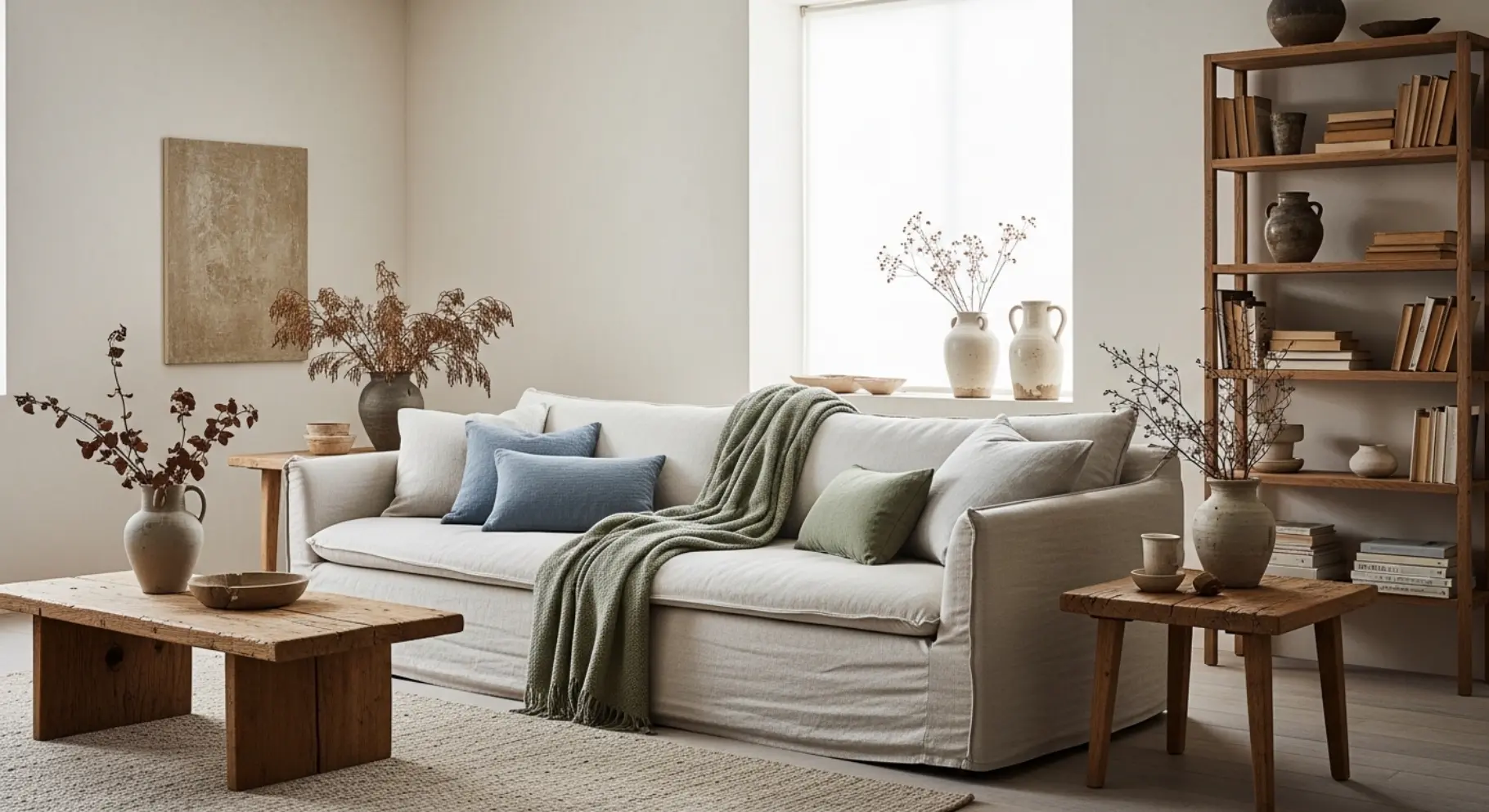
Muted color accents add subtle visual interest without disturbing the calm feel of the space. Shades like dusty blue, sage green, and soft terracotta introduce a natural touch that blends easily with an earthy palette. These tones never feel bright or overpowering, which helps maintain a balanced and soothing environment.
You can introduce these accents through cushions, throws, or small decor items. The goal is to let the colors complement the space rather than dominate it. This approach keeps your living room visually engaging while still preserving a peaceful and grounded atmosphere.
Idea 12: Natural Fiber Rugs
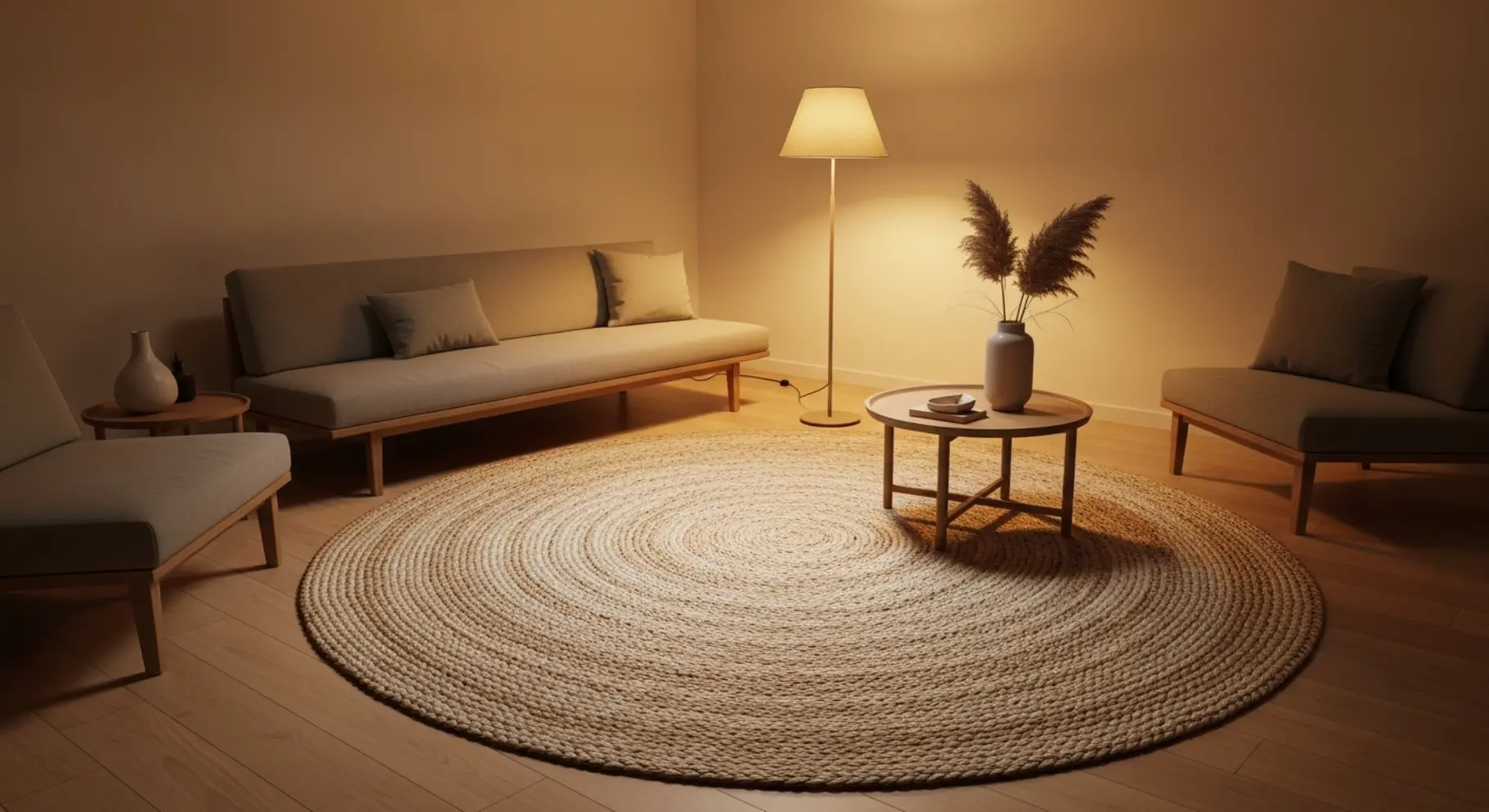
Natural fiber rugs such as jute, sisal, or wool work perfectly in a wabi sabi living room. Their raw texture adds a grounded feeling and creates a strong connection with natural elements. These rugs are not overly decorative, which makes them ideal for a simple and authentic design approach.
Their neutral tones blend easily with the rest of the space. At the same time, they offer durability and comfort. A simple woven rug can bring warmth and subtle detail, helping the room feel complete without adding visual clutter.
Idea 13: Simple and Open Shelving
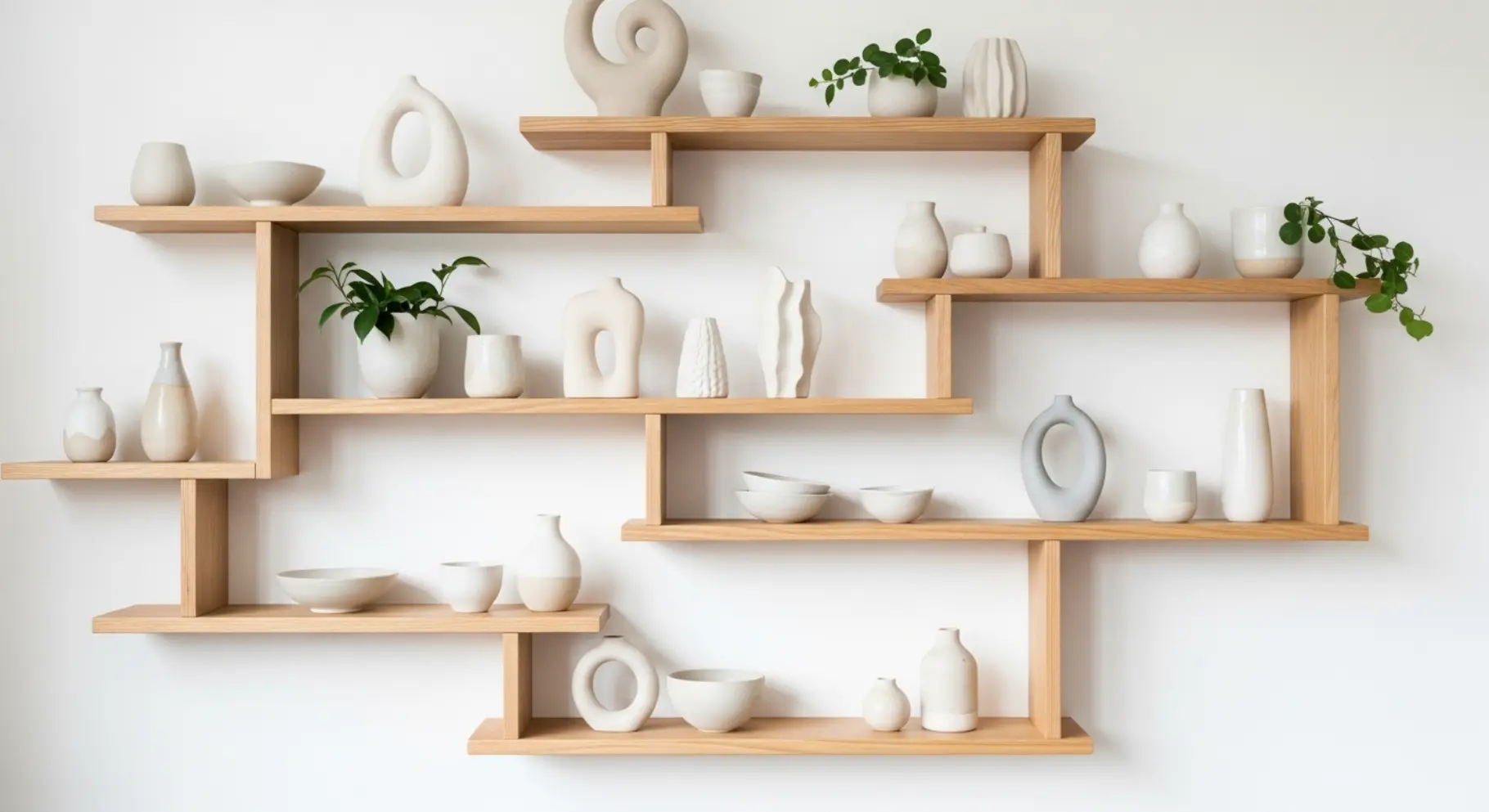
Shelving is not just for storage, but also for thoughtful display. In a wabi sabi living room, open shelves should hold only a few meaningful items. Avoid overcrowding so each piece remains visible and appreciated.
Wooden shelves enhance the natural look of the space. You can place books, ceramics, or small plants on them. This simple arrangement creates a calm and organized feeling that supports a clutter-free lifestyle.
I dea 14: Organic and Curved Shapes
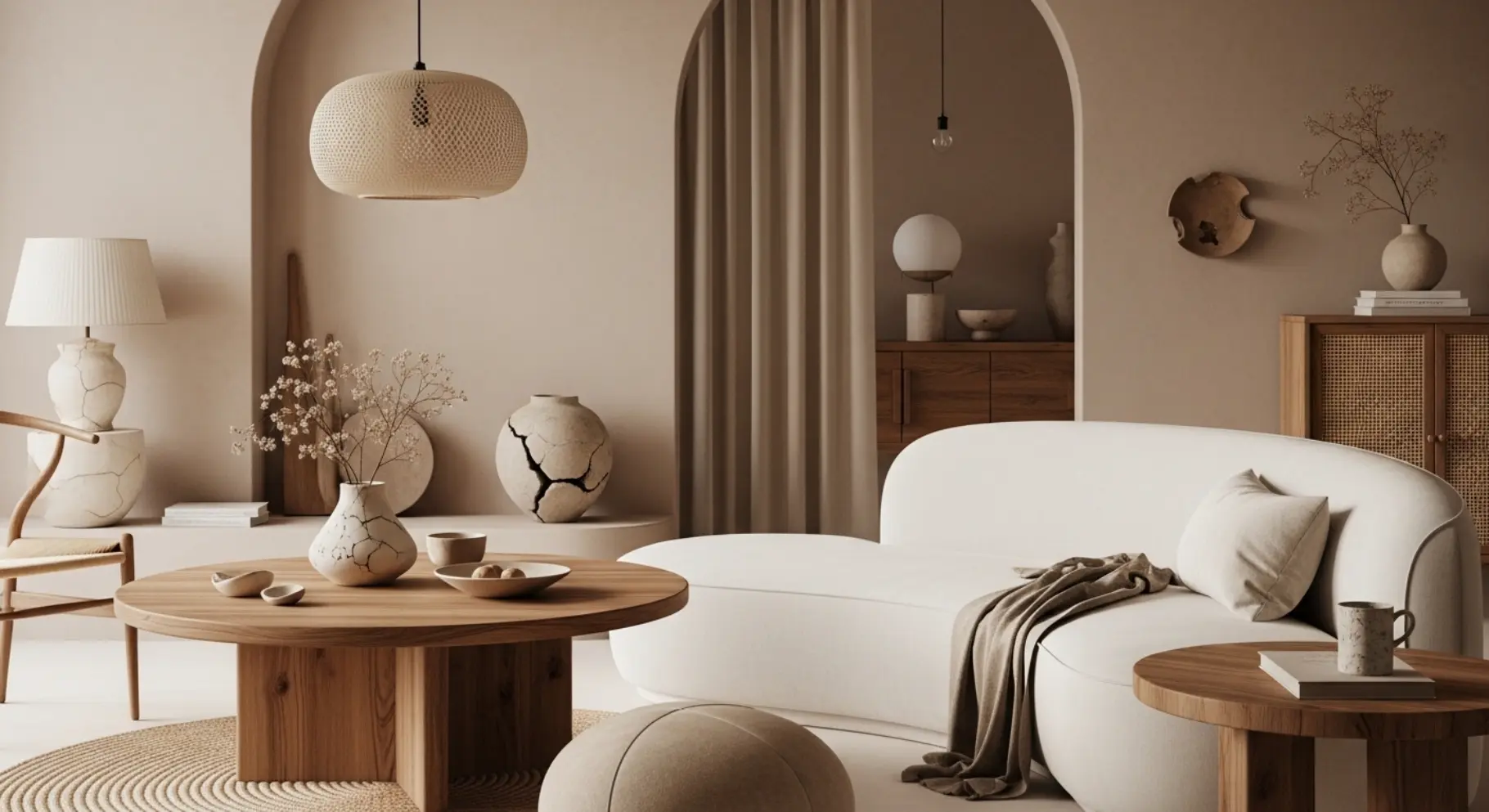
The shapes of furniture influence the mood of a room. Wabi sabi design favors soft and curved forms over sharp edges. These shapes create a natural flow and make the space feel more inviting and relaxed.
Round tables, curved sofas, and organically shaped decor pieces bring a gentle aesthetic into the room. This design approach draws inspiration from nature and helps create a soft and harmonious environment.
Idea 15: Subtle Layering of Elements

Layering does not mean adding more items, but combining elements thoughtfully. When you layer similar tones and textures, the room gains depth without feeling cluttered.
Cushions, throws, and rugs should work together in a balanced way. Each layer should serve a purpose and enhance the overall look. This subtle detail creates a cozy and visually rich space.
Idea 16: Quiet and Cozy Corner
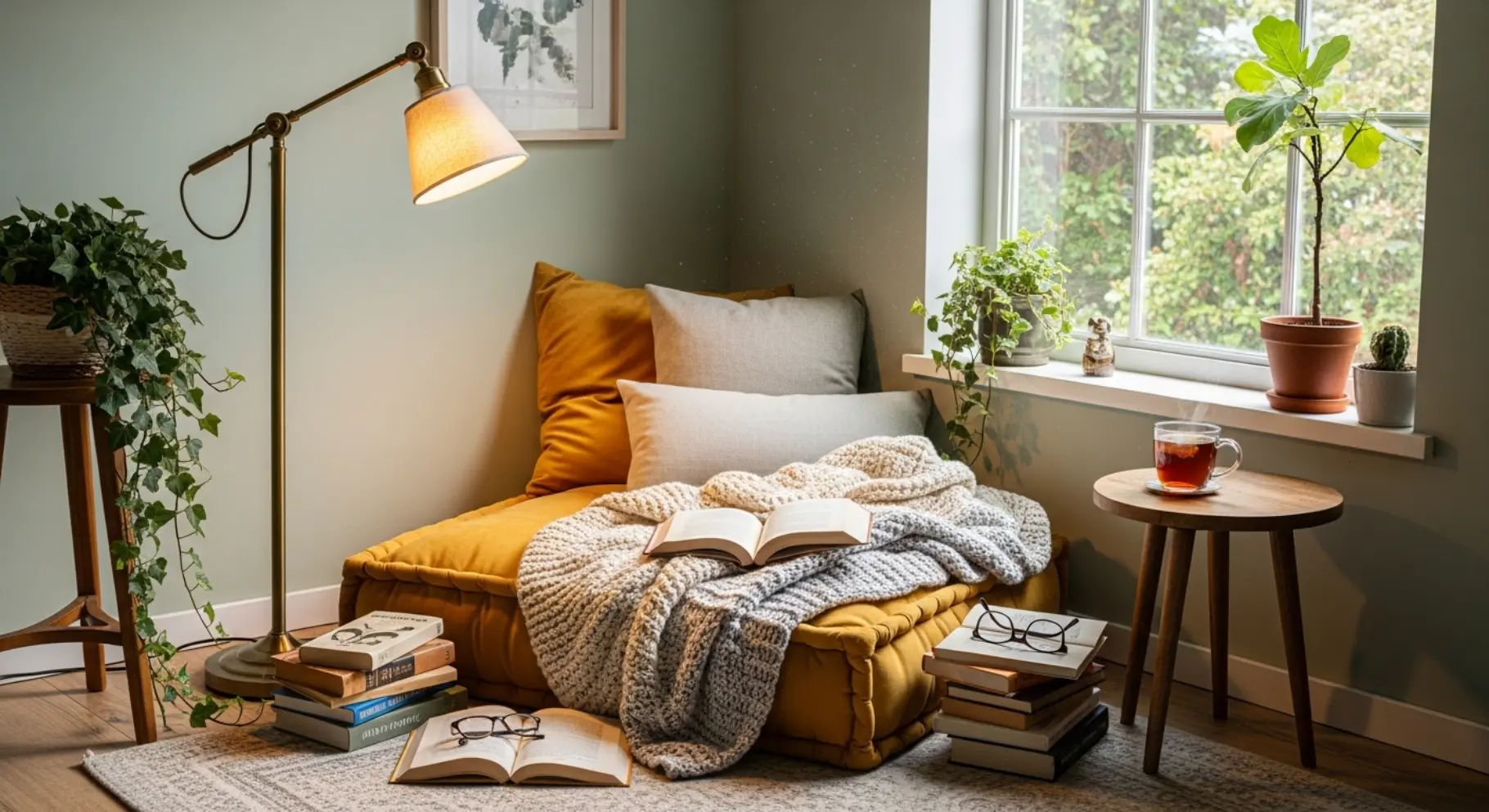
Creating a quiet corner in your living room adds a sense of comfort and purpose. This space can be used for reading, reflection, or simply relaxing. A floor cushion, a small lamp, and a simple shelf are often enough to design this area.
This corner can become the most peaceful spot in your home. Keep it simple and free from clutter so it maintains a calm energy. It also encourages moments of mindfulness and rest.
Idea 17: Natural Scents and Atmosphere

Scent is a subtle yet powerful element that shapes how a room feels. Natural candles or incense can make the environment more relaxing and inviting. Woody, herbal, or soft floral scents work best for this style.
Avoid strong artificial fragrances. Light and natural scents gently enhance the mood without overwhelming the senses. This small detail completes the overall wabi sabi experience.
Idea 18: Light and Airy Curtains
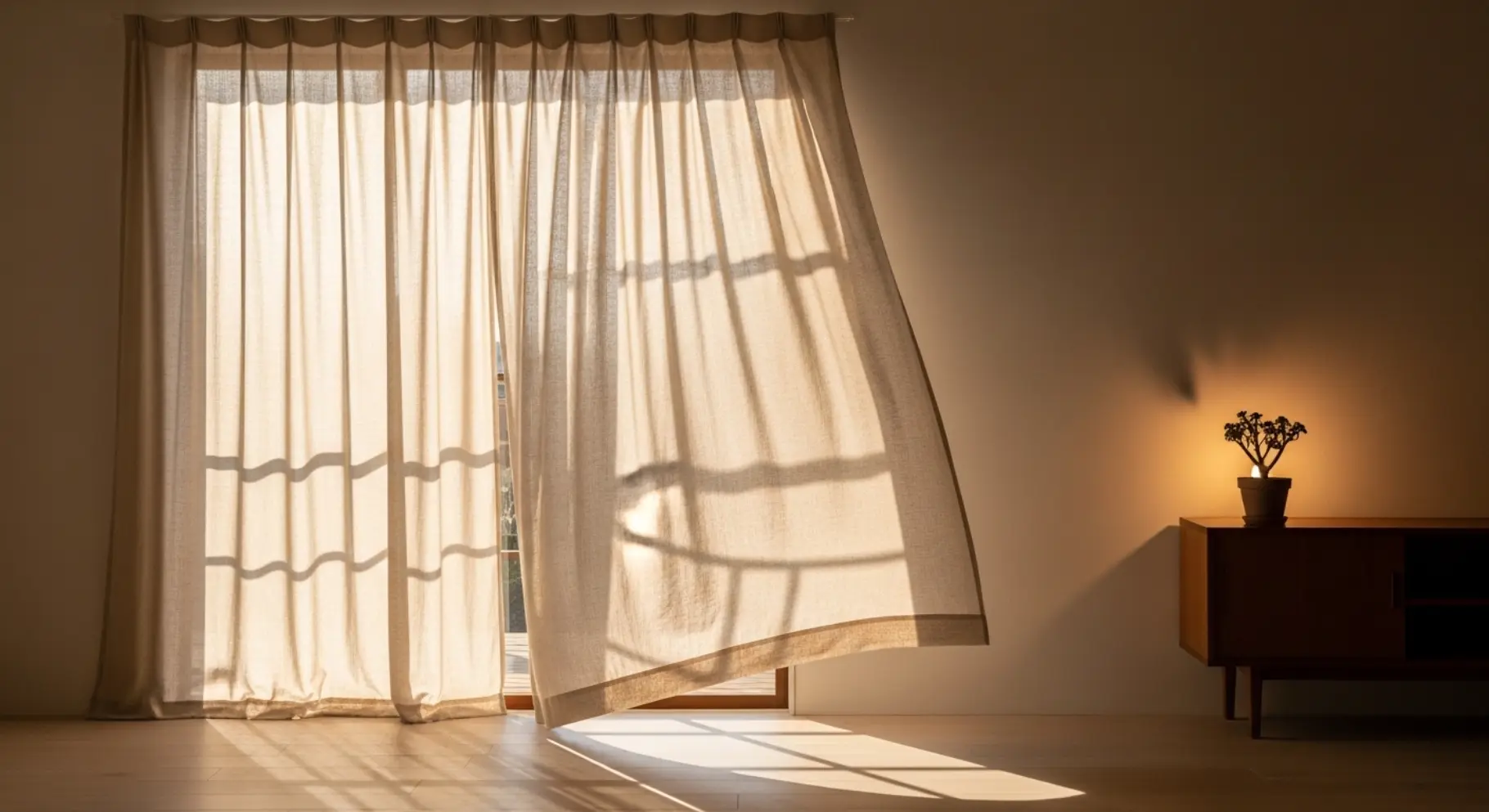
Curtains play an important role in controlling light. Sheer or light linen curtains allow sunlight to filter softly into the room, creating a gentle and calming brightness. They reduce harsh light while maintaining a warm atmosphere.
Heavy or dark curtains should be avoided because they make the space feel closed. Light fabrics improve airflow and openness, which are essential in a wabi sabi living room.
Idea 19: Balanced and Intentional Arrangement
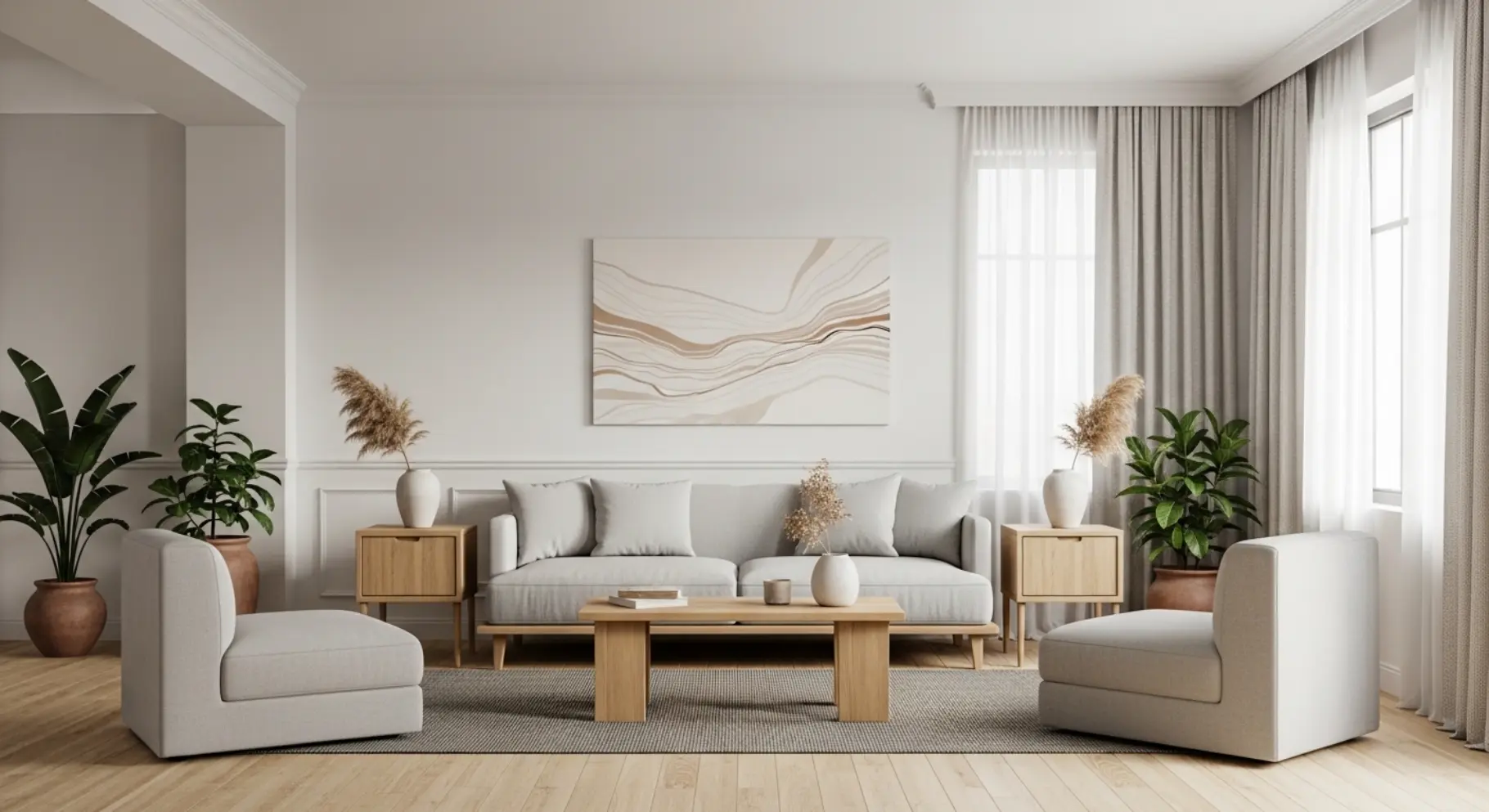
Furniture and decor should never feel randomly placed. Each piece needs a thoughtful position to create visual balance. Perfect symmetry is not necessary, but a sense of harmony is important.
Make sure the space does not feel overcrowded. Proper spacing and alignment help the room feel organized and peaceful. This approach reduces visual stress and supports a calm environment.
Idea 20: Meaningful Personal Touches
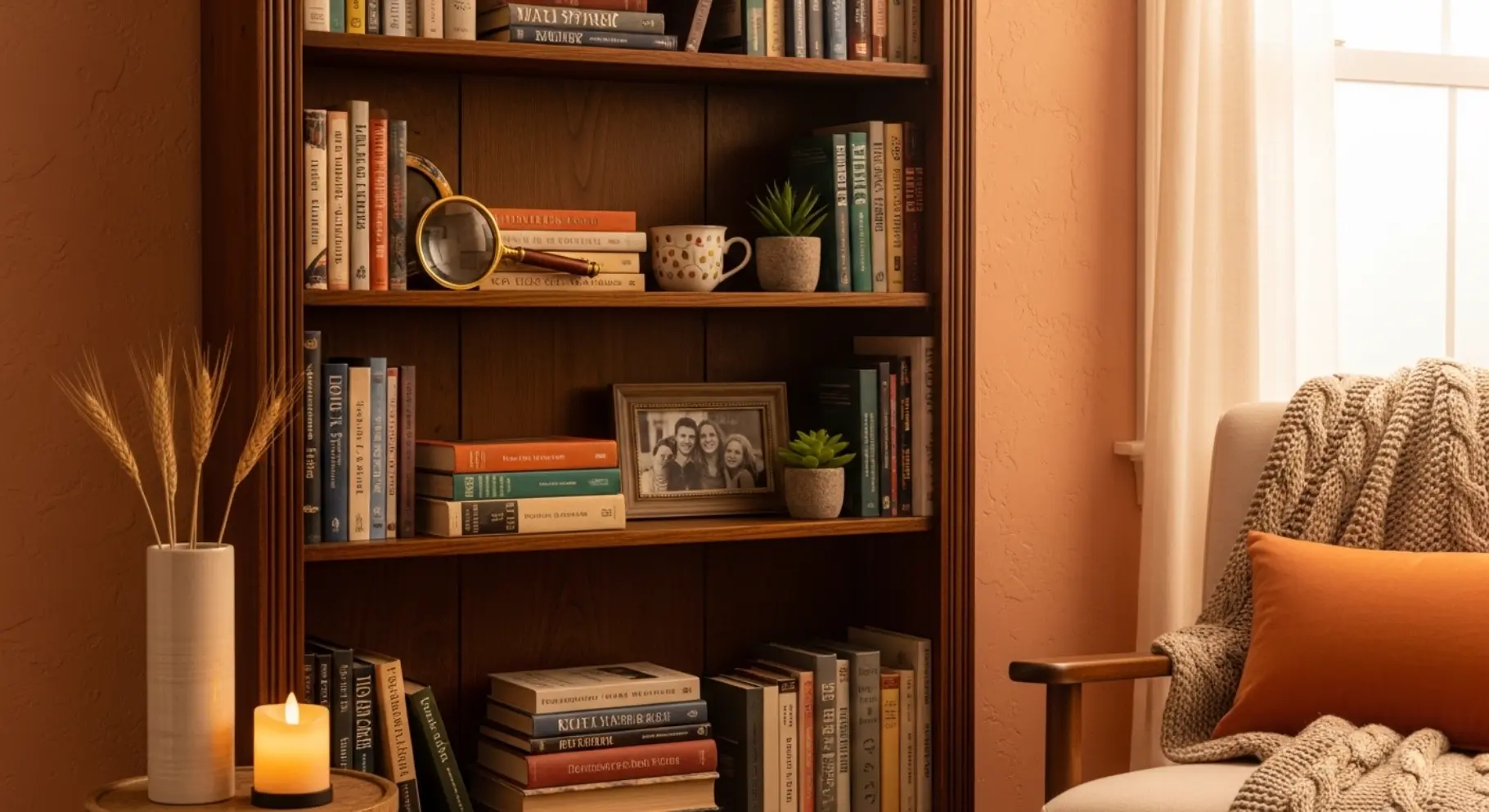
Personal items make your space feel unique and authentic. Books, handmade objects, or meaningful decor pieces reflect your personality and experiences. These elements add warmth and create a lived-in feeling.
Keep the number of items limited. Display only what truly matters to you. This helps maintain a clutter-free environment while preserving the emotional value of each object.
Idea 21: Embracing Empty Space
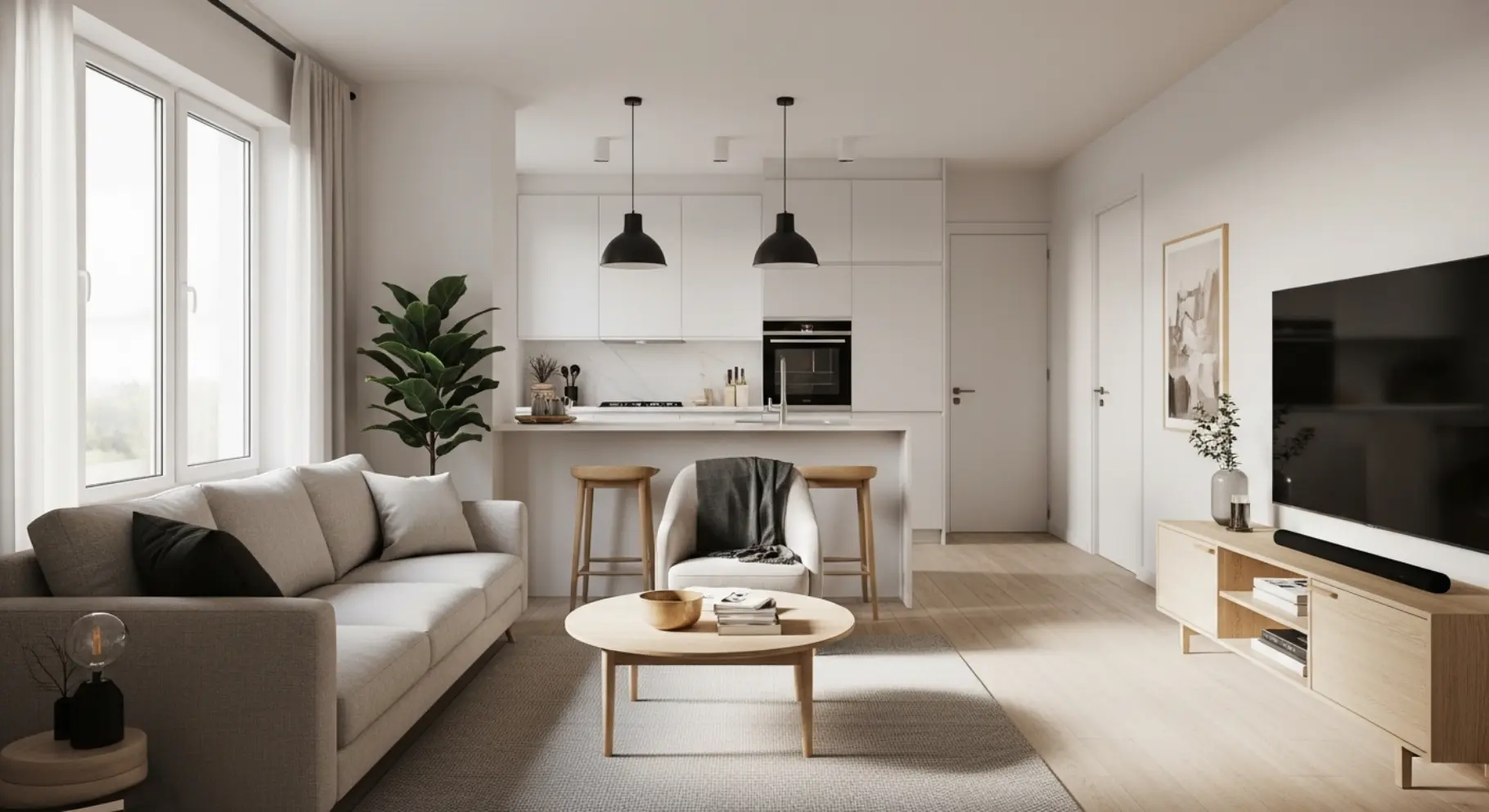
Empty space is a key part of wabi sabi design. Not every corner needs to be filled. When you allow space to breathe, the room naturally feels more open and calm.
This emptiness is not a lack of design, but an intentional choice. It creates balance and allows other elements to stand out. Simplicity becomes the true beauty of the space.
Practical Tips for a Wabi Sabi Living Room
Start by removing clutter from your living room. Every item should have a clear purpose. Focus on natural materials such as wood, linen, and clay. Avoid artificial or overly polished items, as they reduce the authentic feel of the space.
Take a slow and thoughtful approach. You do not need to create the perfect room in one day. Add meaningful pieces over time and allow your space to evolve naturally. This process reflects the true essence of wabi sabi living.
FAQs
What is a wabi sabi living room style
A wabi sabi living room focuses on simplicity, imperfection, and natural beauty. It creates a calm and authentic environment.
Can I mix modern and wabi sabi design
Yes, but modern pieces should remain simple and minimal. Balance them with natural textures.
Is this style suitable for small spaces
Yes, it works very well in small spaces because it follows a minimal and clutter-free approach.
How do I start designing
Start with neutral colors, then gradually add natural materials and simple decor.
Conclusion
A peaceful living room does not come from perfect design, but from thoughtful choices. When you focus on simplicity, natural textures, and meaningful decor, the space begins to feel calm and inviting. Wabi sabi teaches that imperfection holds its own kind of beauty.
By following these ideas, you can create a living room where you truly feel relaxed. It becomes more than just a design style. It becomes a way of living that values comfort, balance, and authenticity.