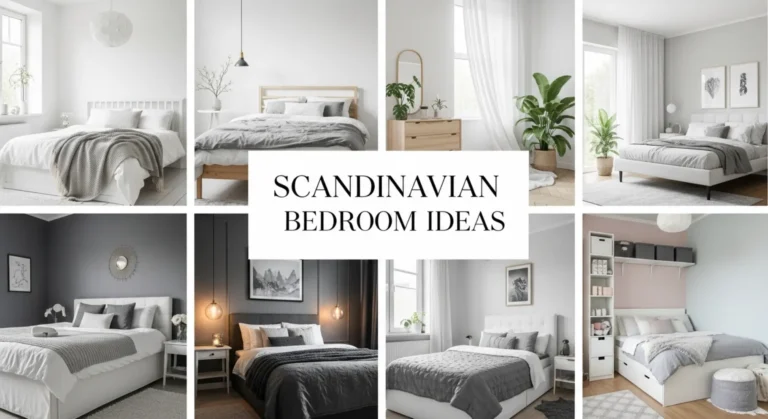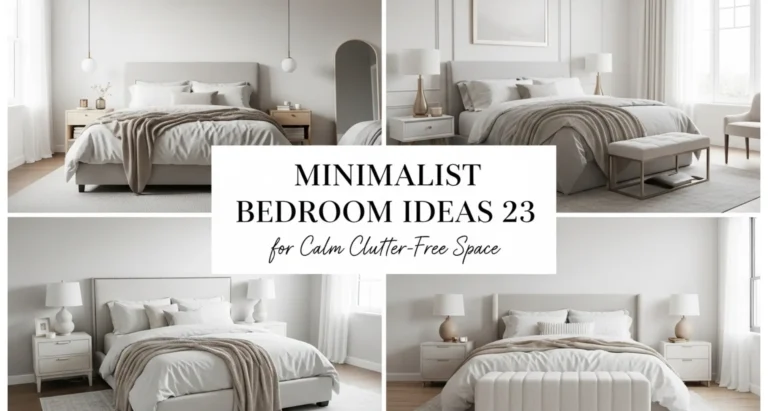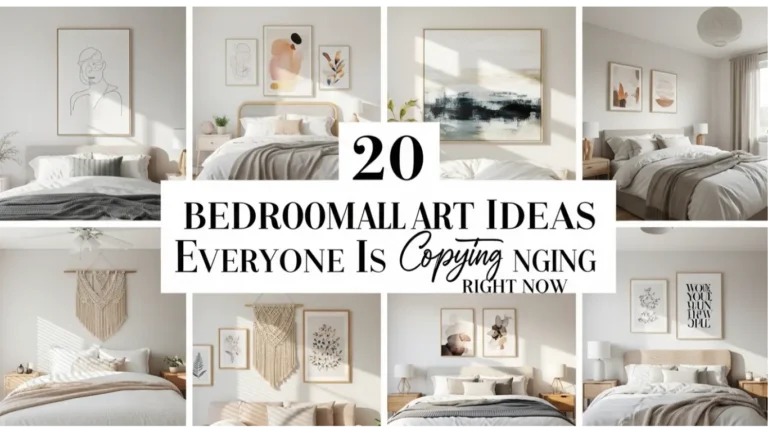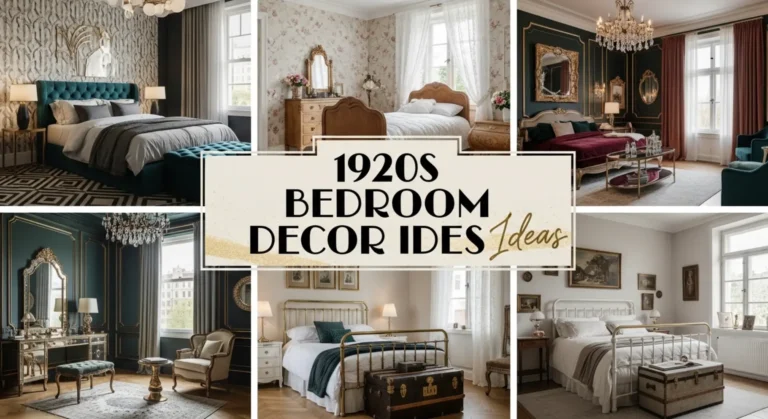
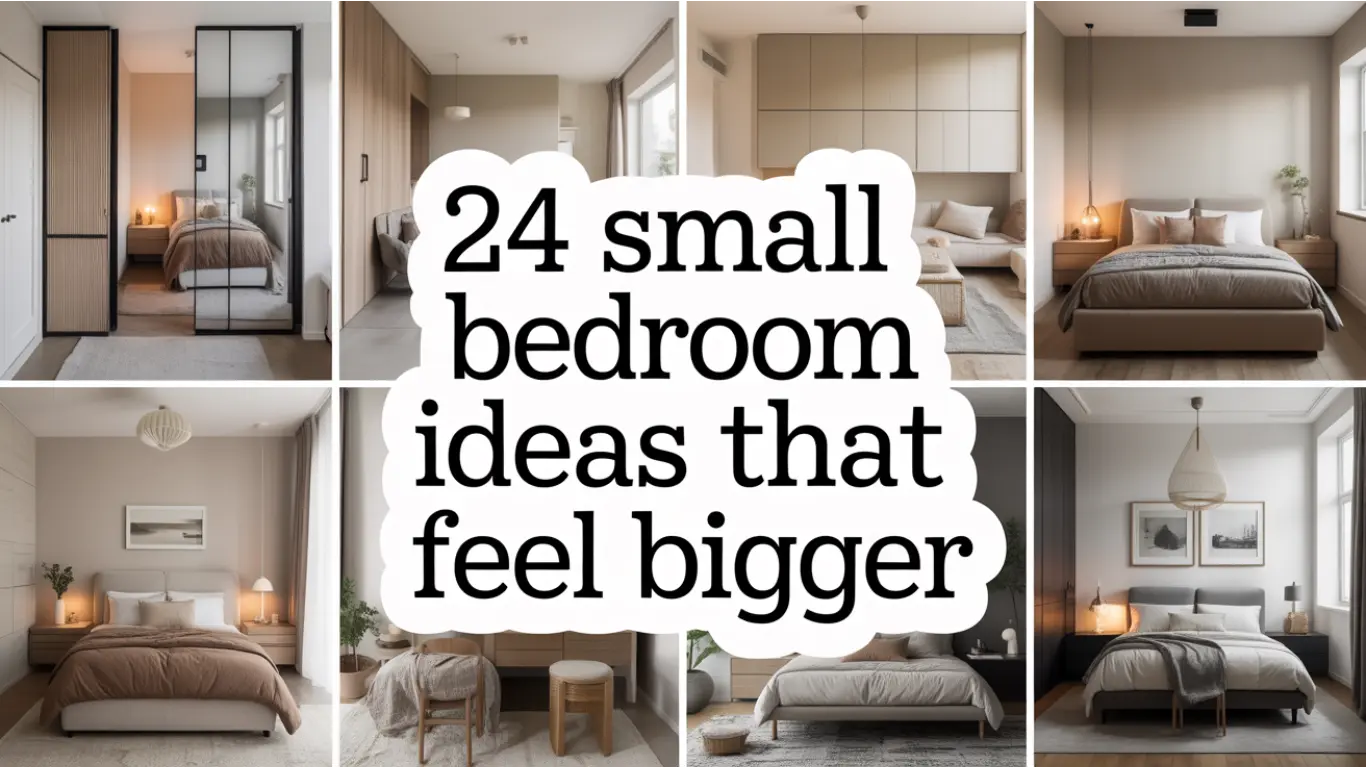
A small bedroom does not have to feel tight or limiting. With the right design choices, even the most compact space can feel open, calm, and inviting. This guide on 24 small bedroom ideas that feel bigger focuses on practical solutions that improve layout, lighting, and storage while keeping the room visually balanced. Each idea helps you use your space with purpose, so nothing feels wasted or overcrowded.
Many people struggle to make a small bedroom both functional and stylish. The key is to focus on smart design instead of adding more things. When you simplify the layout and use light, texture, and proportion wisely, the room starts to feel larger without changing its size. These ideas will help you create a bedroom that feels comfortable, organized, and easy to live in every day.
1. Use Light Color Palettes to Open Up the Room
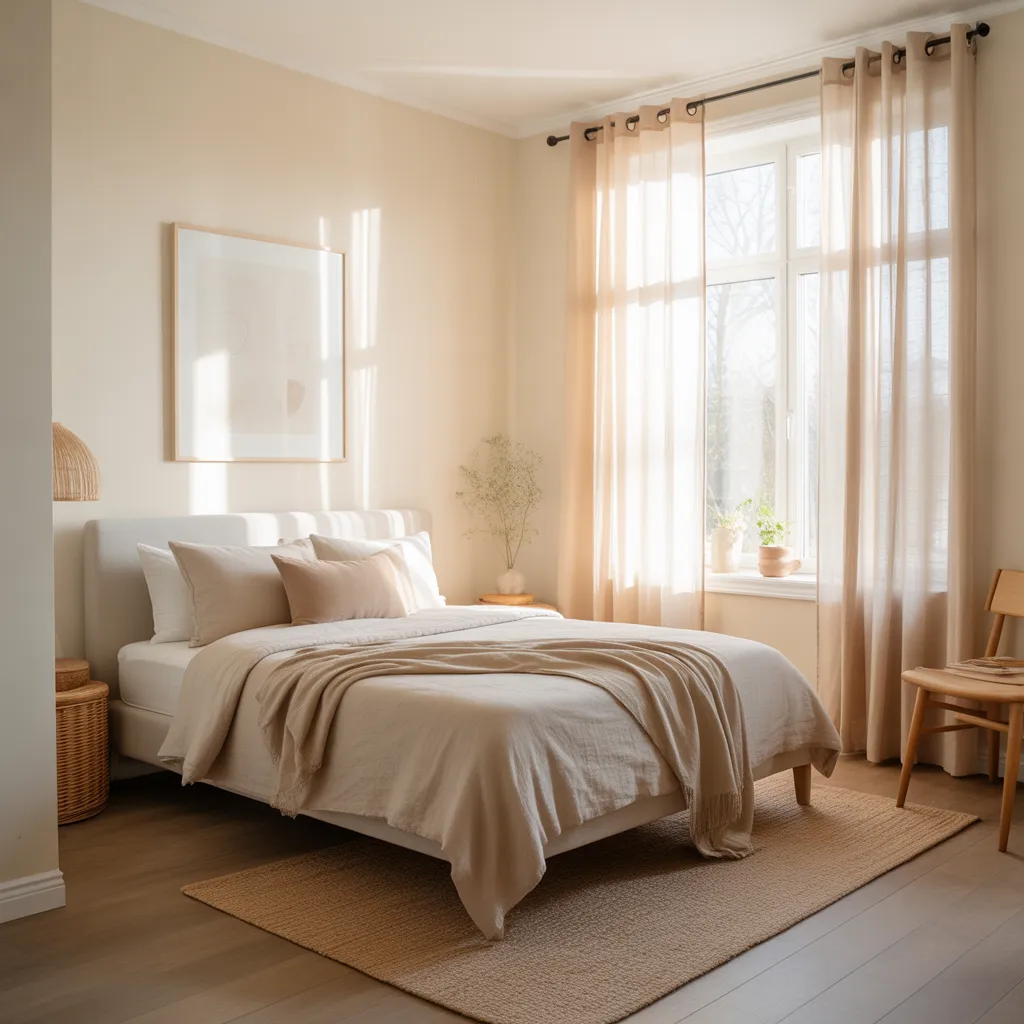
Light colors help reflect natural and artificial light, making a small bedroom feel brighter and more open. Shades like white, cream, and pale gray soften the edges of the room and reduce visual boundaries. When walls, bedding, and furniture stay within a similar tone, the space feels connected and calm instead of broken into parts.
You can add subtle textures through fabrics and finishes to keep the design interesting without adding clutter. Soft linen bedding, light wood furniture, and simple rugs create depth while maintaining openness. This approach supports the concept of 24 small bedroom ideas that feel bigger by focusing on visual continuity and balance.
2. Choose a Low Profile Bed Frame
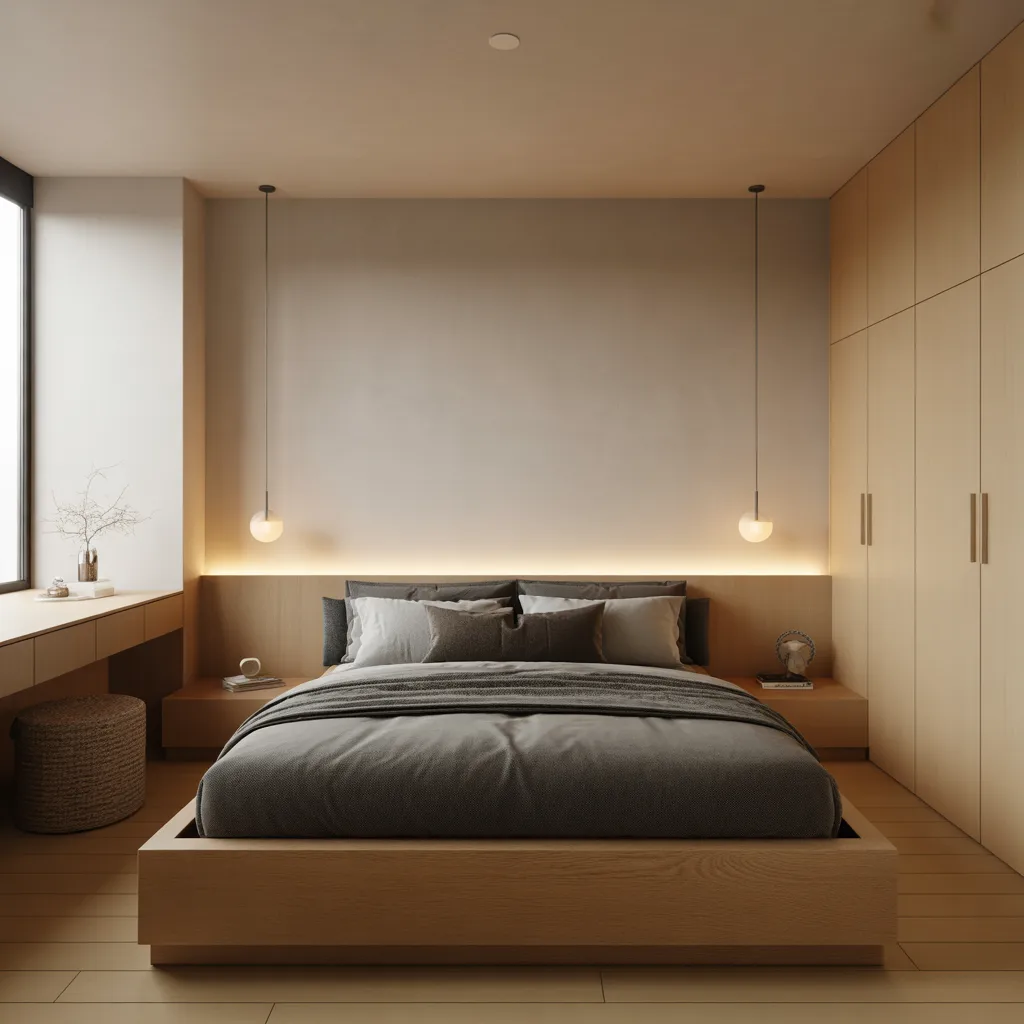
A low bed frame creates more vertical space above it, which makes the ceiling appear higher. This simple shift in proportion helps the room feel less crowded. The lower visual weight also keeps the layout grounded and calm, especially in small bedrooms where every inch matters.
Pair the bed with simple decor and avoid bulky headboards that take up space. Keeping furniture close to the ground allows the eye to travel more freely across the room. This creates a sense of openness and improves the overall flow.
3. Add Mirrors to Reflect Light
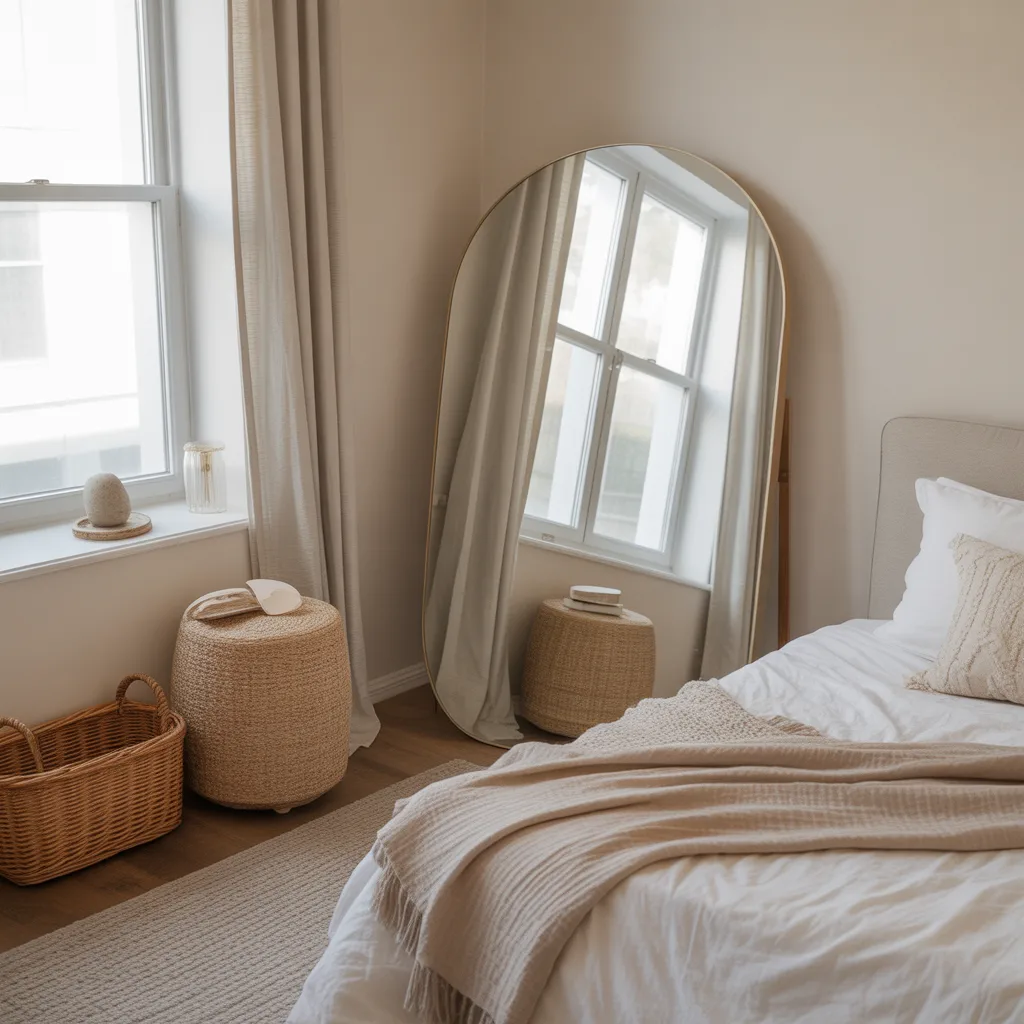
Mirrors play an important role in making a room feel larger. They reflect both natural and artificial light, which brightens the space and adds depth. Placing a mirror opposite a window helps spread light evenly across the room, reducing shadows and dark corners.
A single large mirror works better than several small ones. It creates a strong visual effect without cluttering the wall. This technique enhances openness and supports a clean, spacious feel.
4. Use Vertical Storage Solutions
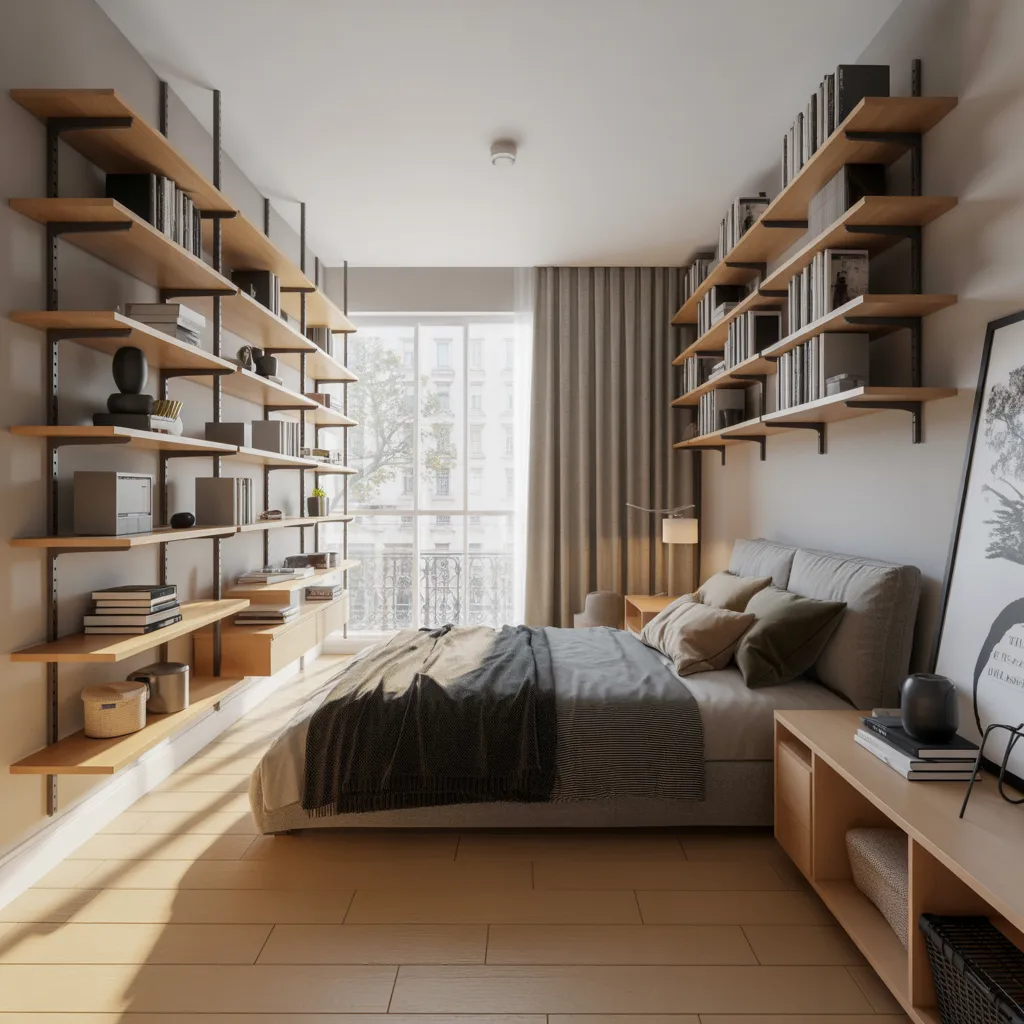
Vertical storage helps you use wall space instead of floor space. Tall shelves and cabinets draw the eye upward, which makes the room feel taller. This keeps the layout organized while freeing up space below for movement.
When shelves stay neat and balanced, they add function without making the room feel busy. Store essentials and keep decor minimal to maintain a clean look. This creates a practical and visually open environment.
5. Install Wall Mounted Lighting
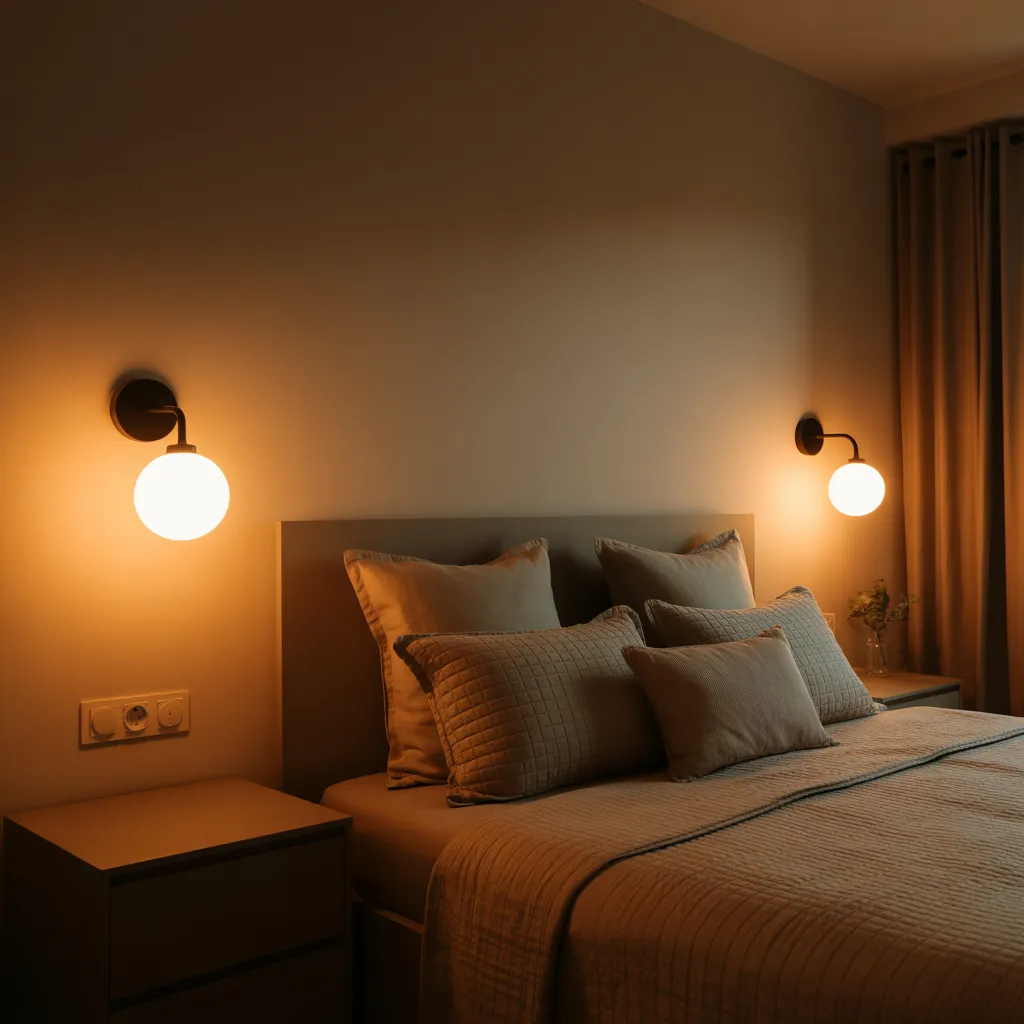
Wall-mounted lights save space by removing the need for table lamps. This frees up surfaces and keeps the room looking uncluttered. It also creates a more streamlined and modern appearance.
Soft lighting adds warmth without overwhelming the room. Choose simple fixtures that blend into the wall. This keeps the focus on openness and comfort.
6. Keep Window Treatments Minimal
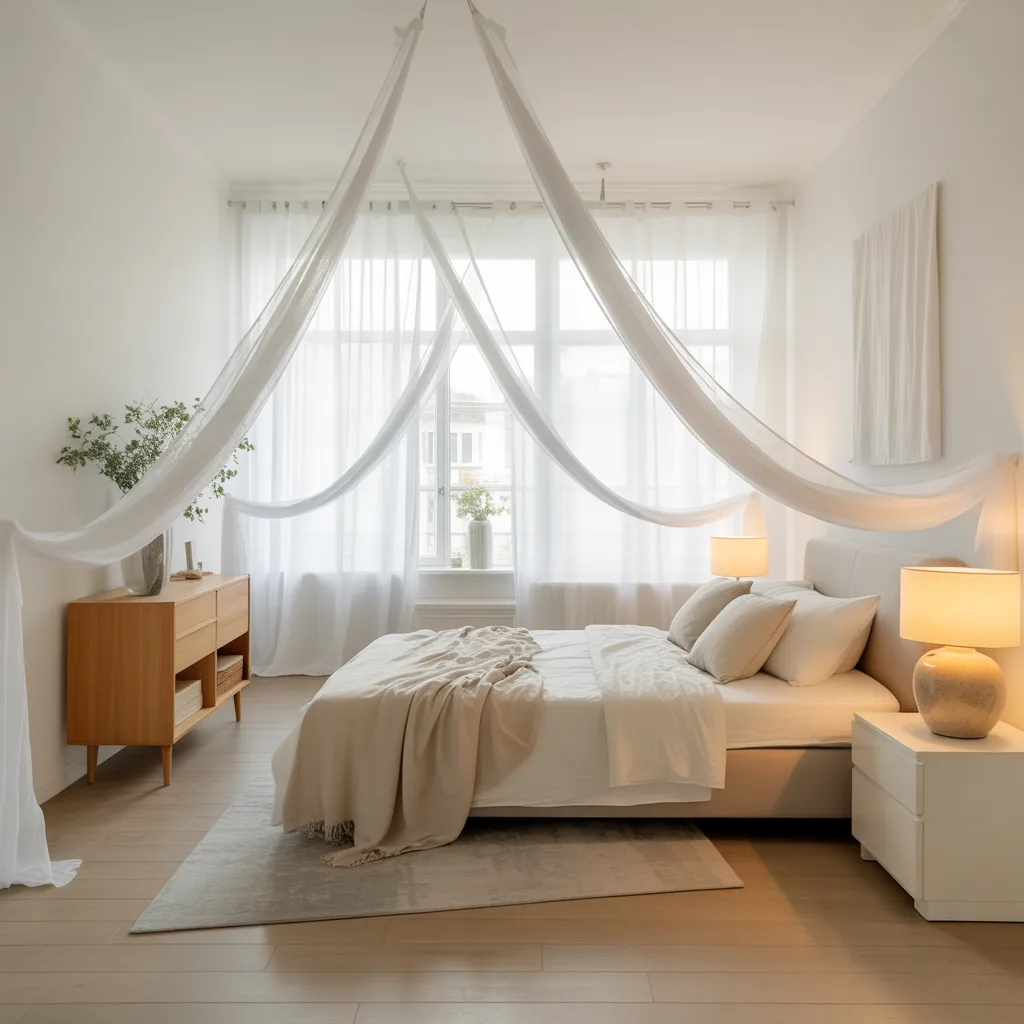
Heavy curtains can make a small room feel closed in. Sheer or light fabric curtains allow natural light to pass through, making the room feel brighter and more open. Light plays a major role in how large a space feels.
Mount curtains higher than the window to create the illusion of height. Keep colors soft and neutral to maintain a calm atmosphere. This approach supports a light and airy design.
7. Use Floating Nightstands
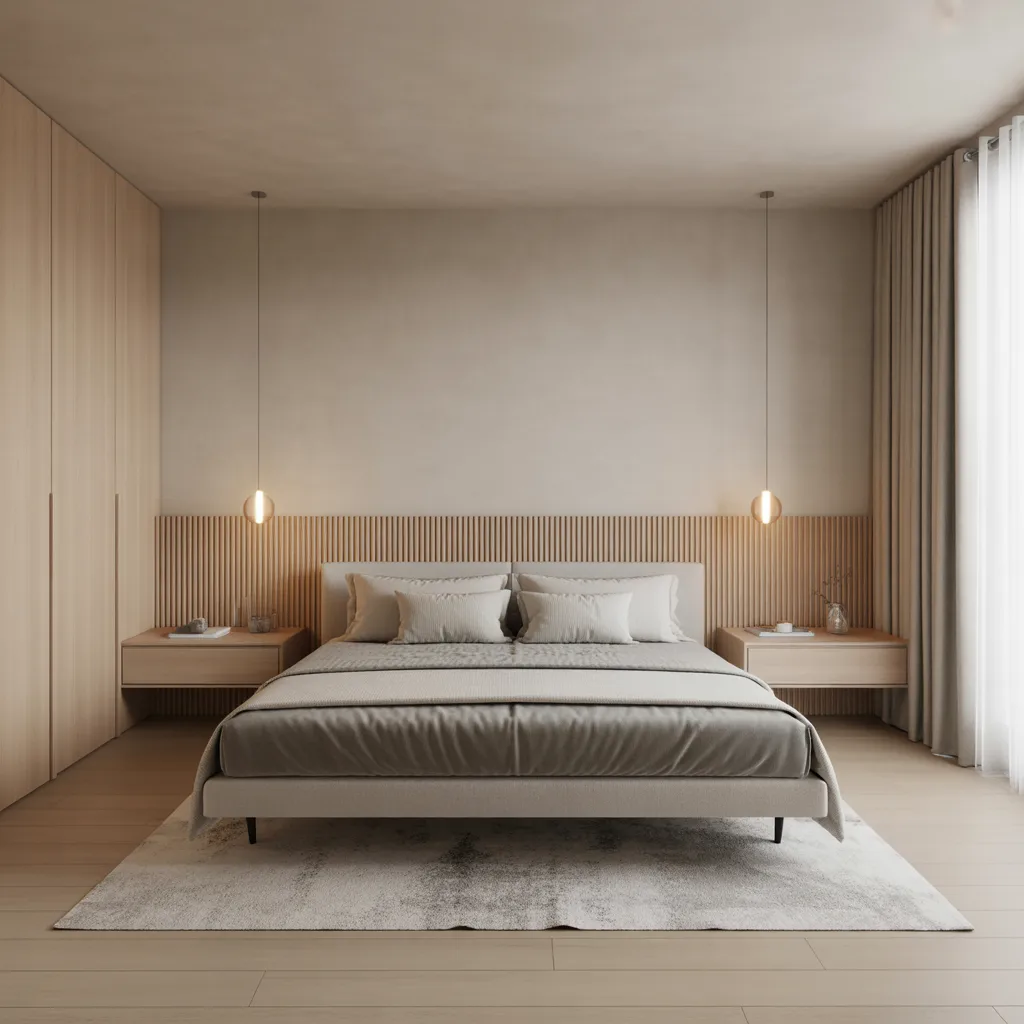
Floating nightstands create more visible floor space, which helps the room feel larger. This design reduces visual clutter and keeps the layout simple. It also improves cleaning and maintenance.
Choose compact designs that hold only essentials. Keep styling minimal to maintain openness. This idea works well in tight spaces.
8. Limit Furniture Pieces
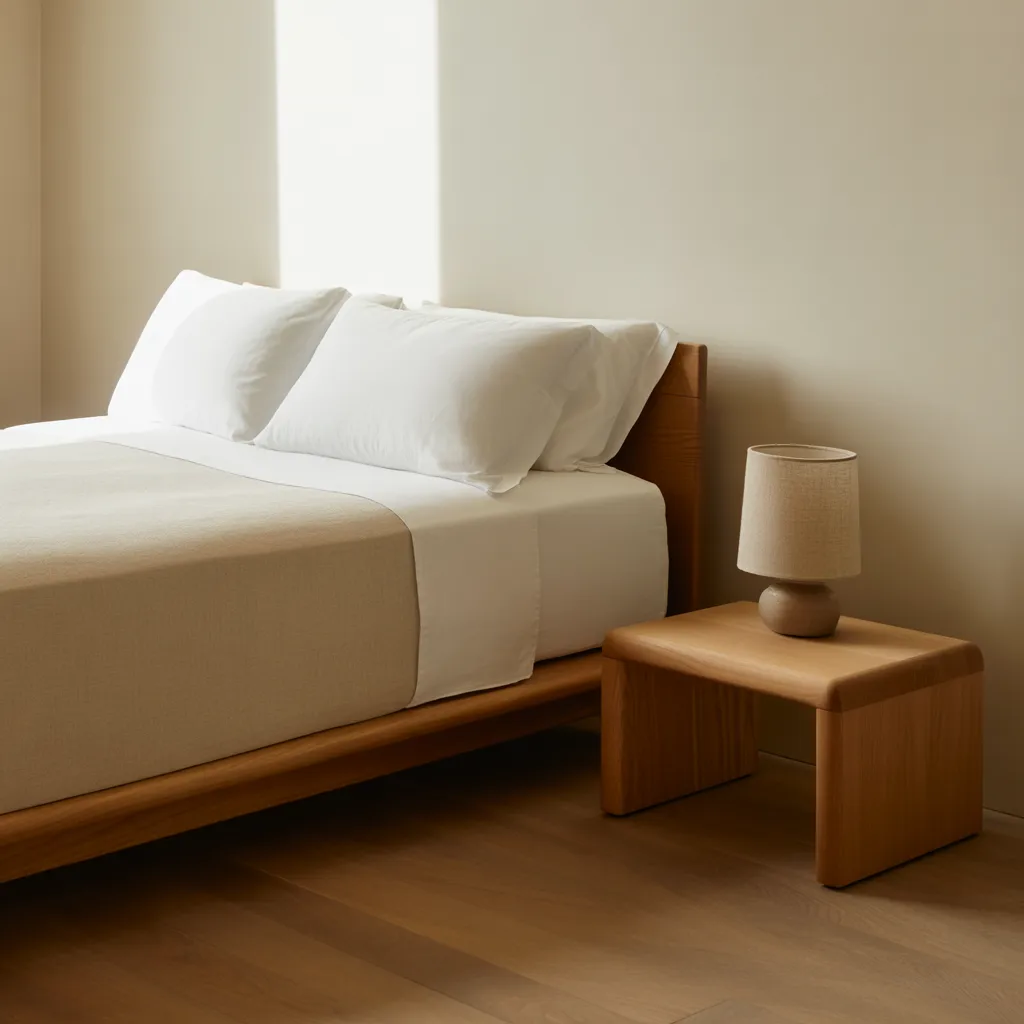
Too much furniture can make a small bedroom feel crowded. Focus on essential pieces that serve a clear purpose. This keeps the layout open and easy to move around.
A simple setup creates a calm and functional space. Each item should fit well and contribute to the overall design. This improves both comfort and usability.
9. Use Under Bed Storage
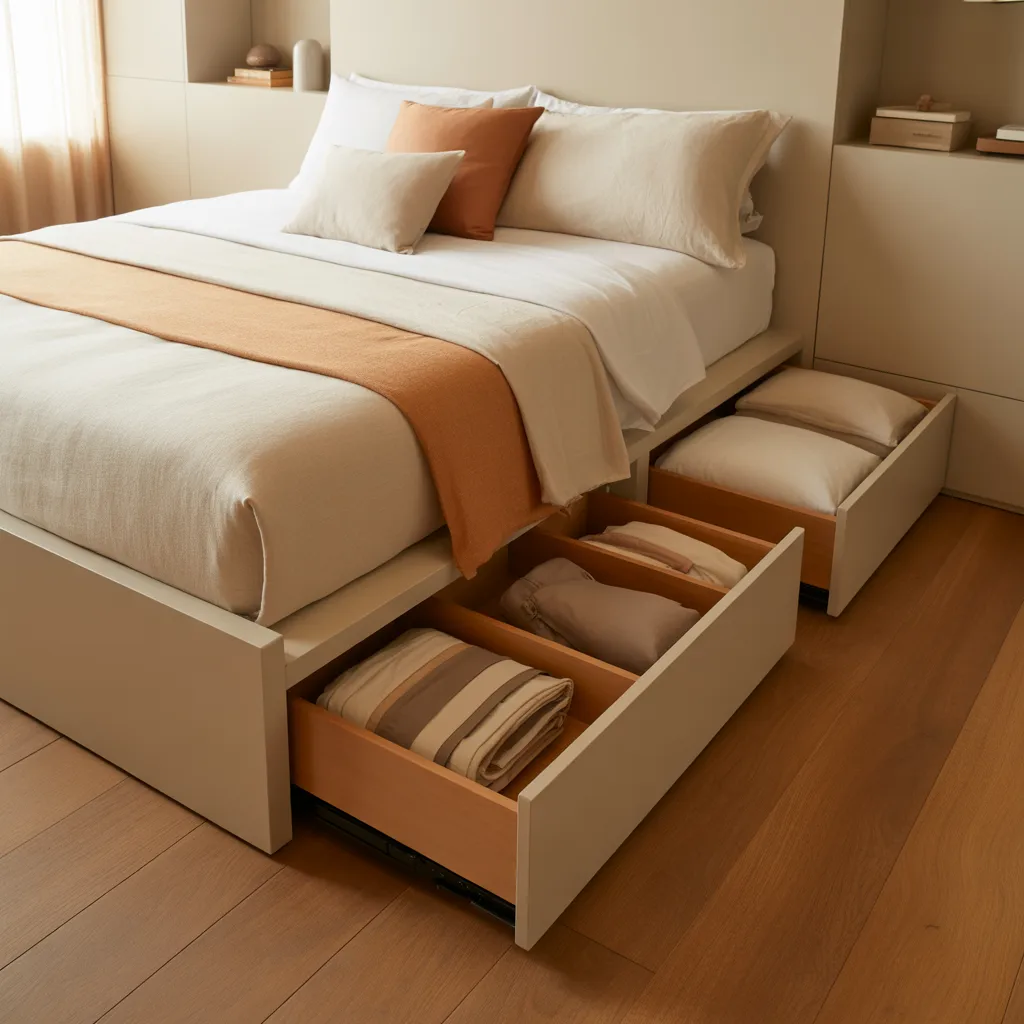
Under bed storage helps you use space that often goes unused. Storage boxes or drawers can hold items neatly out of sight. This reduces the need for extra furniture.
Keeping belongings hidden creates a clean and open look. Make sure storage remains organized for easy access. This improves efficiency without adding clutter.
10. Stick to a Simple Layout
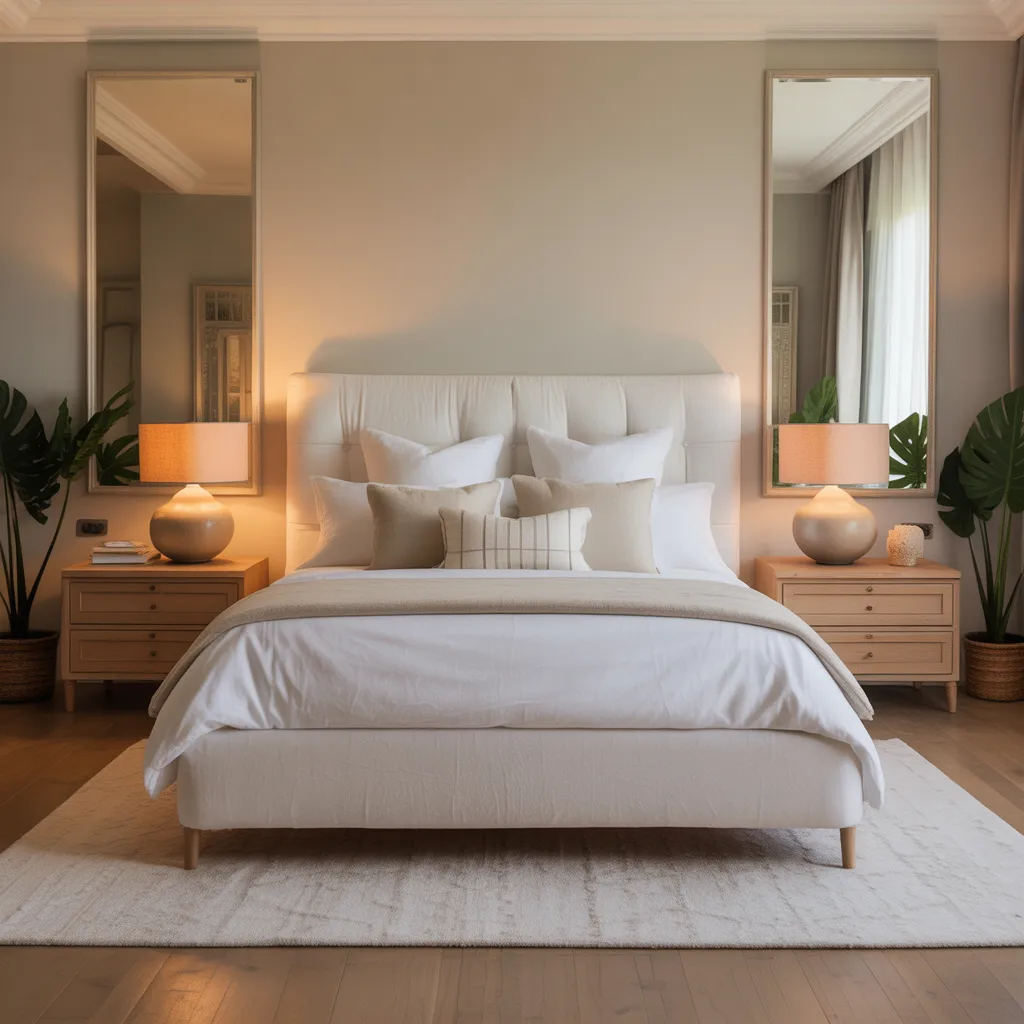
A simple layout improves flow and makes the room easier to navigate. Placing the bed in a central position often works best. It creates balance and keeps the design organized.
Avoid complex arrangements that break the space. A clear layout helps the room feel calm and spacious. This supports better use of available space.
11. Align Furniture with Walls
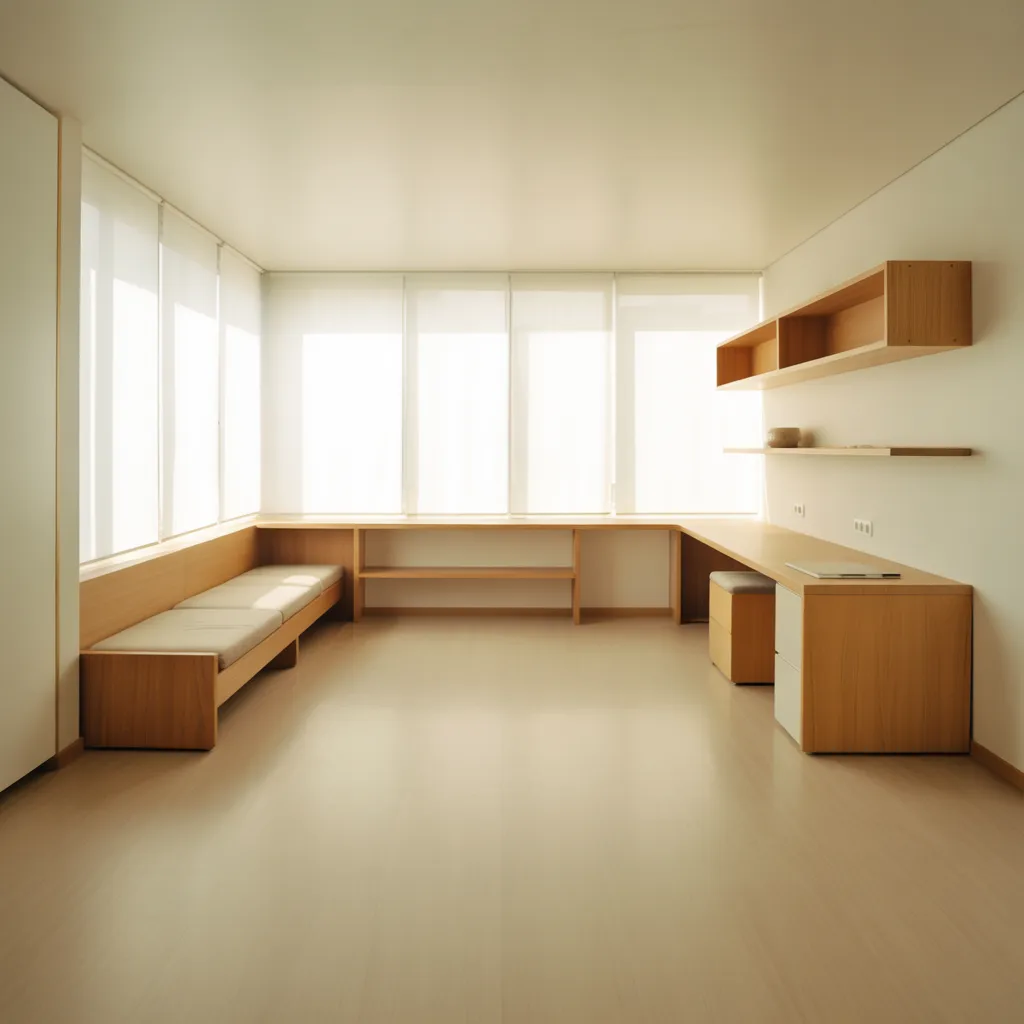
Placing furniture along the walls keeps the center of the room open. This creates more walking space and improves movement. It also makes the room feel less crowded.
This arrangement works well in narrow or compact bedrooms. It keeps everything organized while maintaining openness. The room feels more breathable and functional.
12. Use Compact Furniture Designs
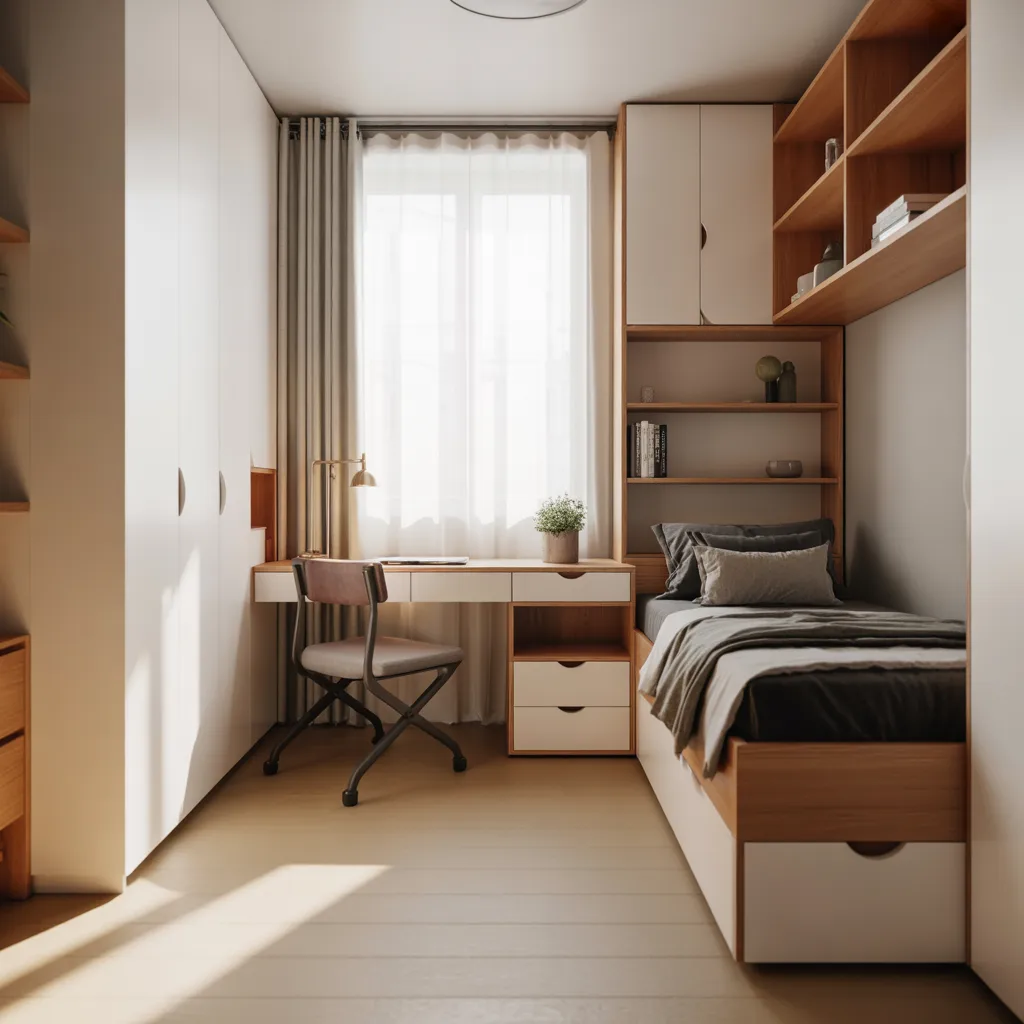
Compact furniture fits better in small spaces without overwhelming the room. Slim designs reduce visual weight and keep the layout balanced. This helps maintain an open feel.
Choose pieces that match the scale of the room. Oversized furniture can make the space feel tight. Proper proportions improve comfort and design.
13. Use a Consistent Color Scheme
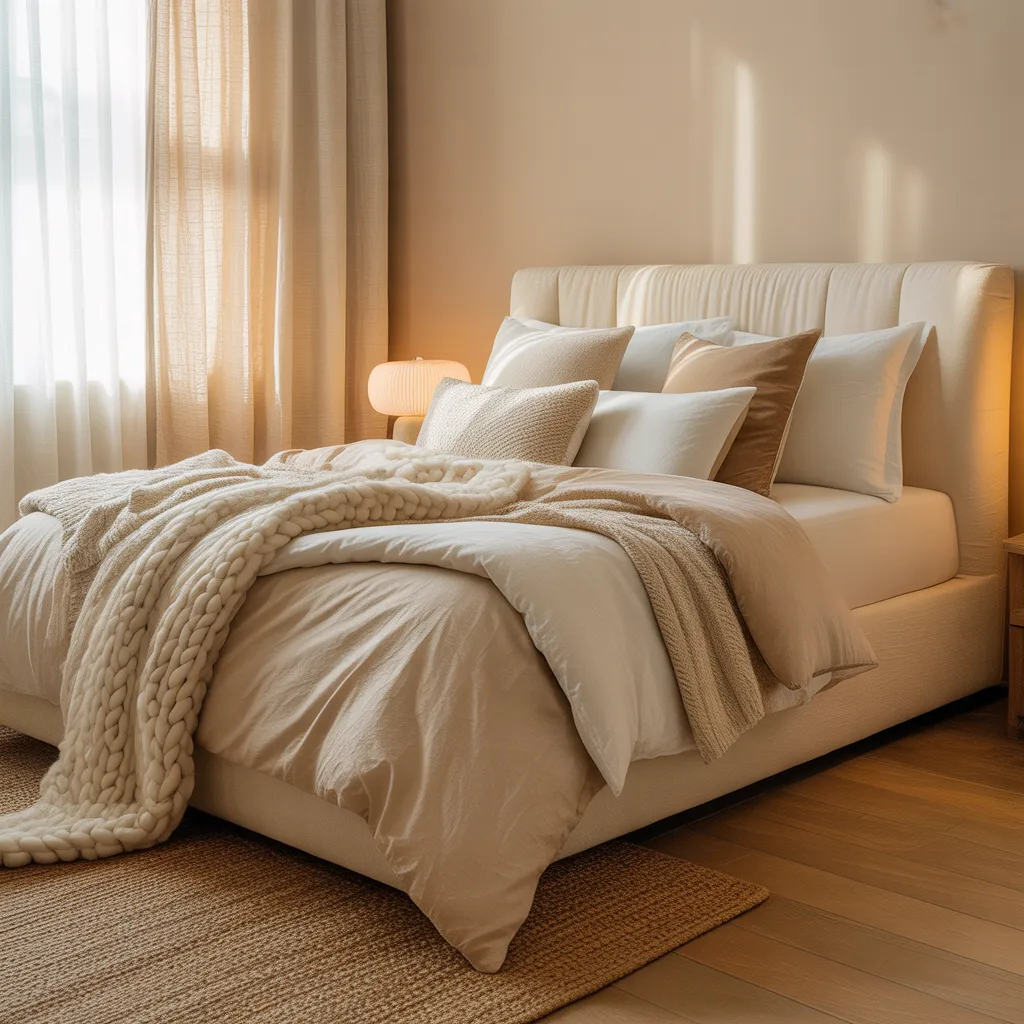
A consistent color scheme creates visual harmony. When colors flow smoothly across the room, it feels larger and more organized. Too many contrasting colors can make the space feel broken.
Stick to two or three main tones and repeat them. This creates a calm and unified look. It also enhances the sense of space.
14. Choose Large Rugs
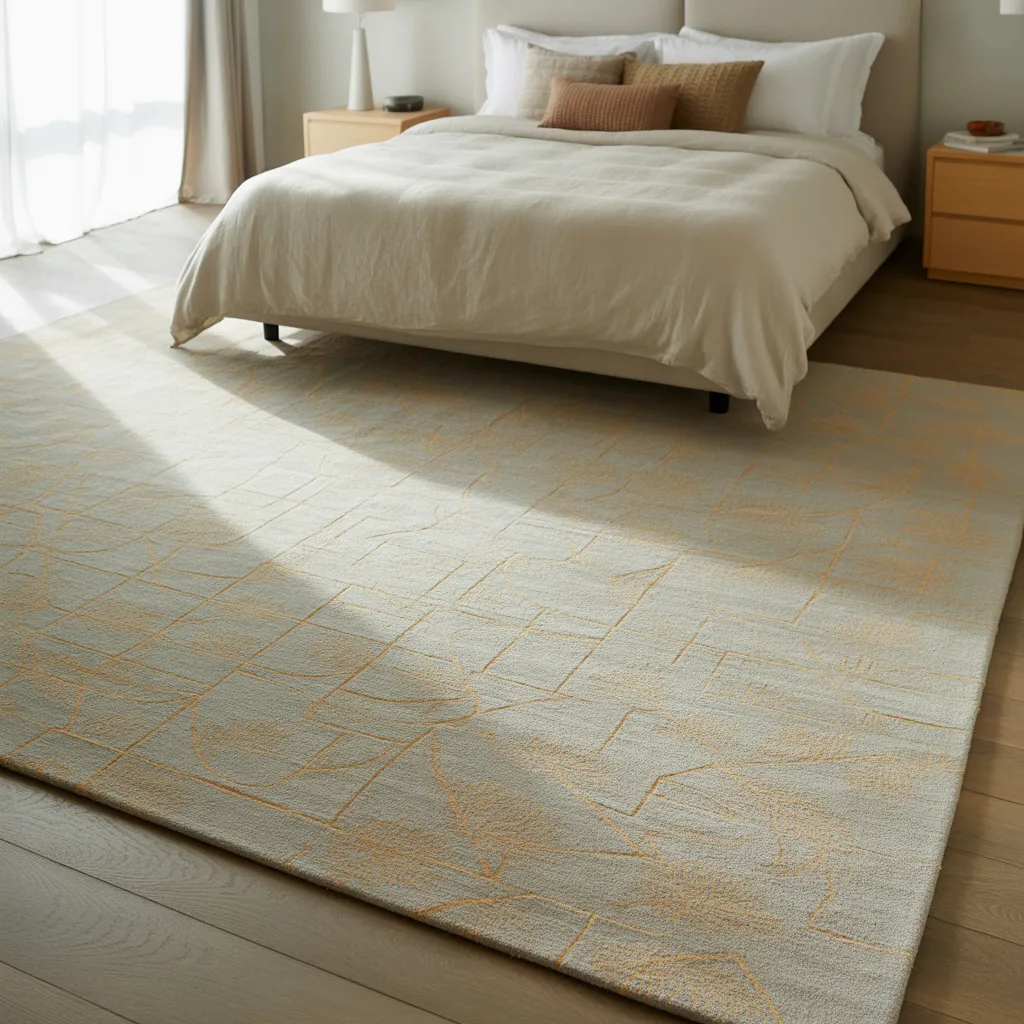
A large rug connects the room and makes it feel more spacious. Small rugs can divide the floor and make the room look smaller. A bigger rug creates a continuous surface.
Place the rug under key furniture pieces for balance. Choose light tones to maintain openness. This improves the overall layout.
15. Keep Decor Minimal
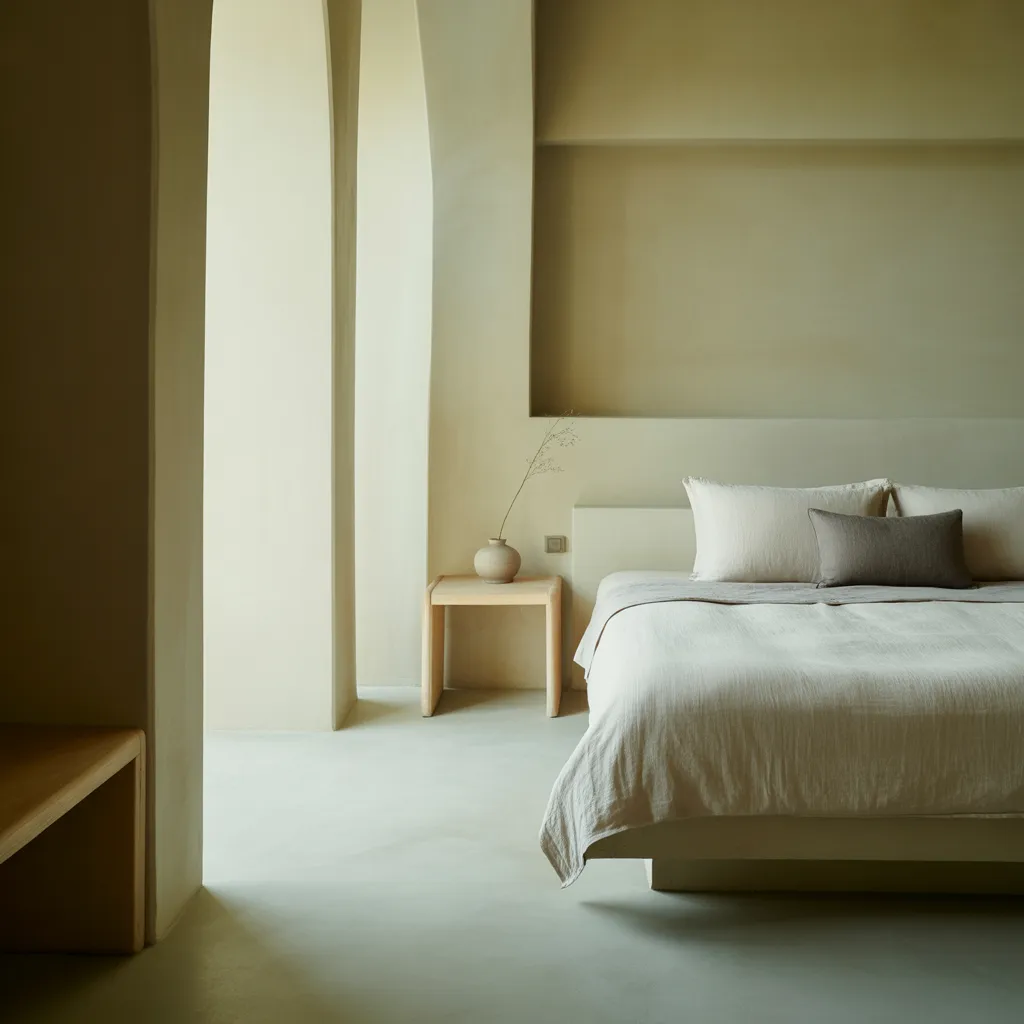
Minimal decor helps reduce visual clutter. Too many items can overwhelm a small space and make it feel crowded. A few well-placed pieces create a calm and stylish look.
Focus on meaningful decor that adds value. Leave some areas empty to create breathing space. This improves the room’s atmosphere.
16. Use Glass Furniture
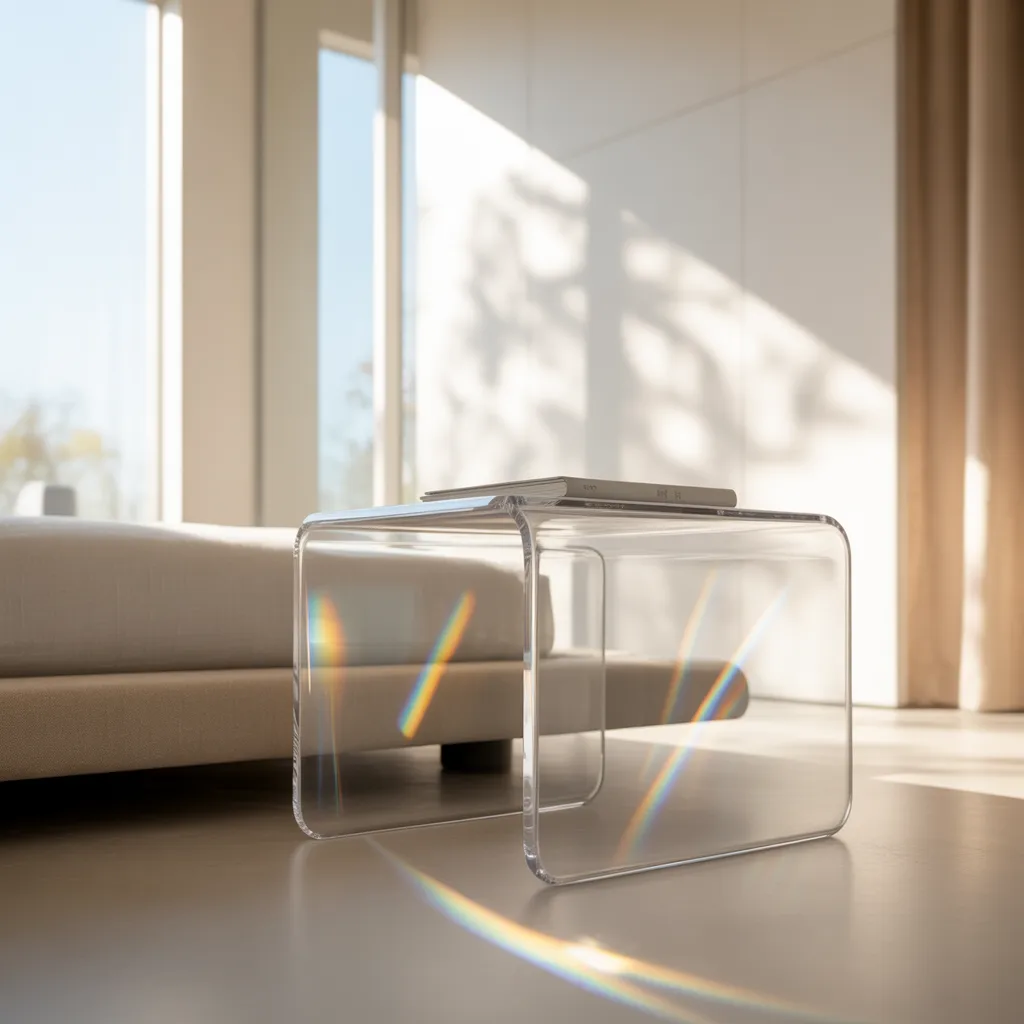
Glass furniture creates the illusion of more space because it does not block the view. It blends into the room and reduces visual weight. This makes the space feel lighter.
Use glass for side tables or decor accents. Keep the design simple for the best effect. This enhances openness without removing function.
17.Hanging curtains 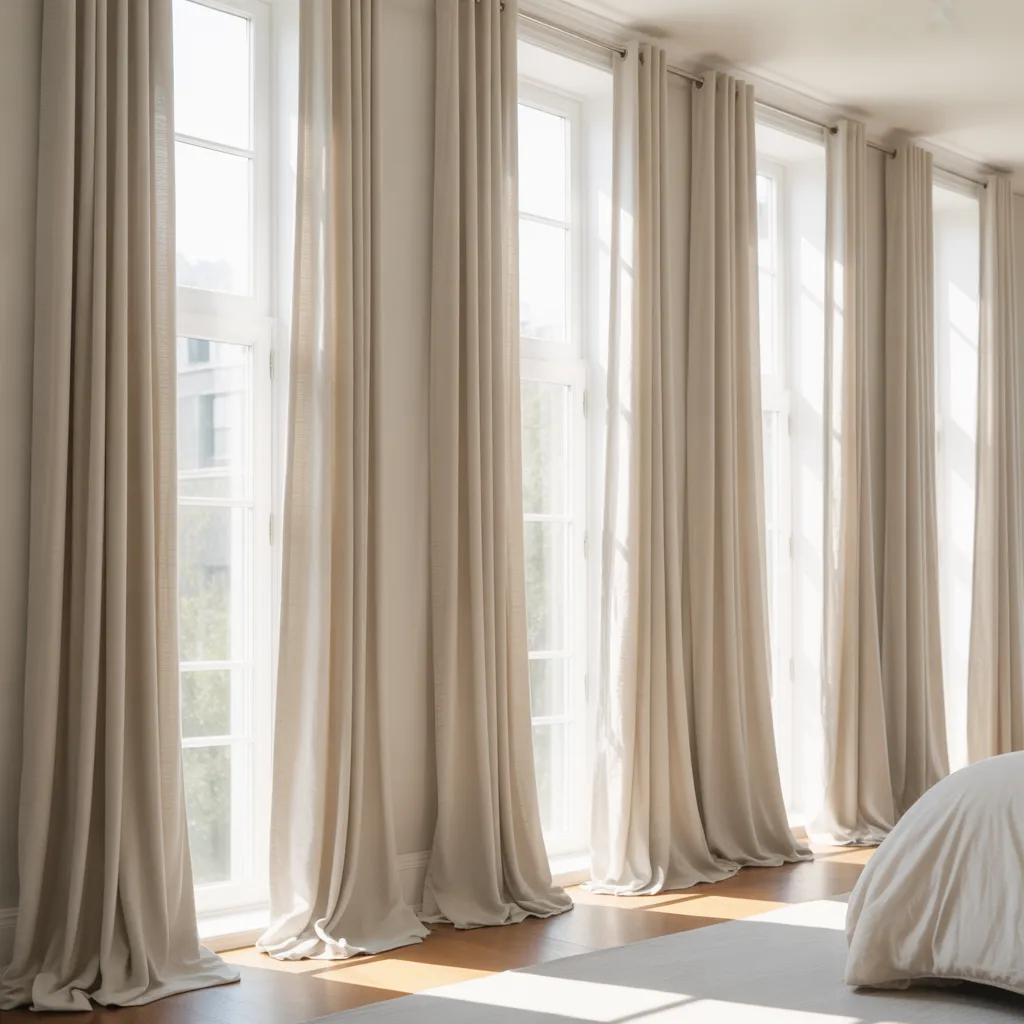
Hanging curtains close to the ceiling makes the walls look taller. This simple change improves the room’s proportions and adds elegance.
Use long curtains that reach the floor. This creates a smooth vertical line. It helps the room feel more spacious.
18. Add Subtle Patterns
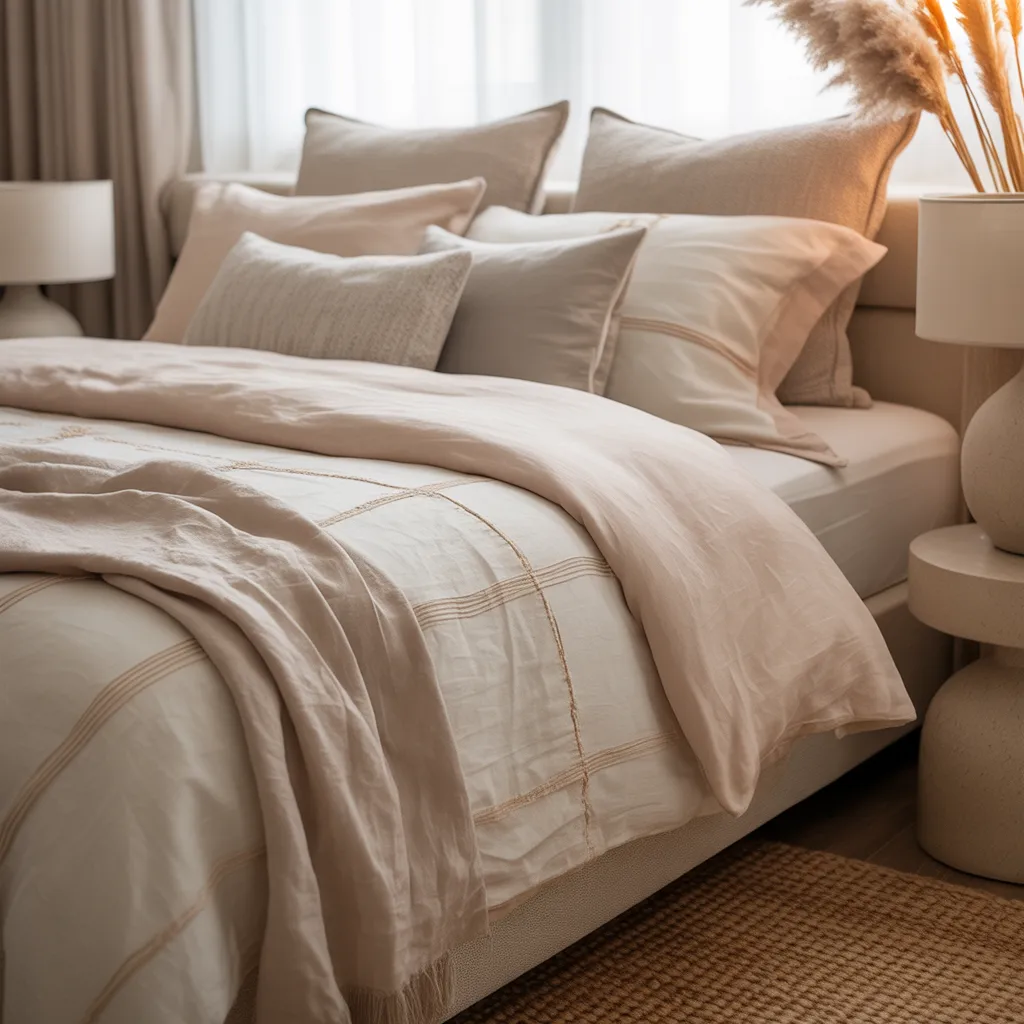
Subtle patterns add interest without overwhelming the room. Soft designs in neutral tones keep the space calm and open. Bold patterns can make the room feel busy.
Use patterns in bedding or cushions. Keep the rest of the room simple. This creates balance and style.
19. Use Built In Storage
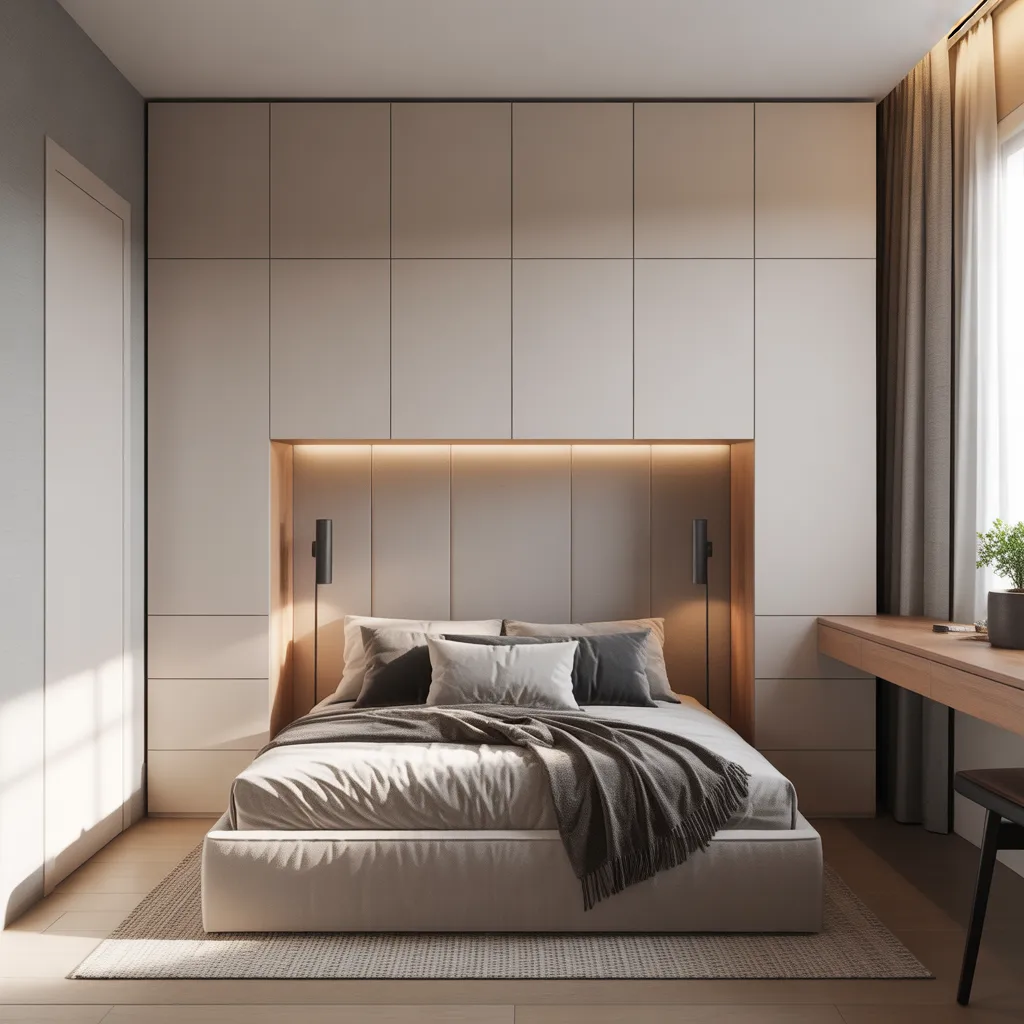
Built-in storage blends into the walls and reduces clutter. It creates a clean and seamless look that improves openness. This works well in small bedrooms.
Keep designs simple and functional. This maximizes storage without taking extra space. The room feels more organized.
20. Keep Floors Visible
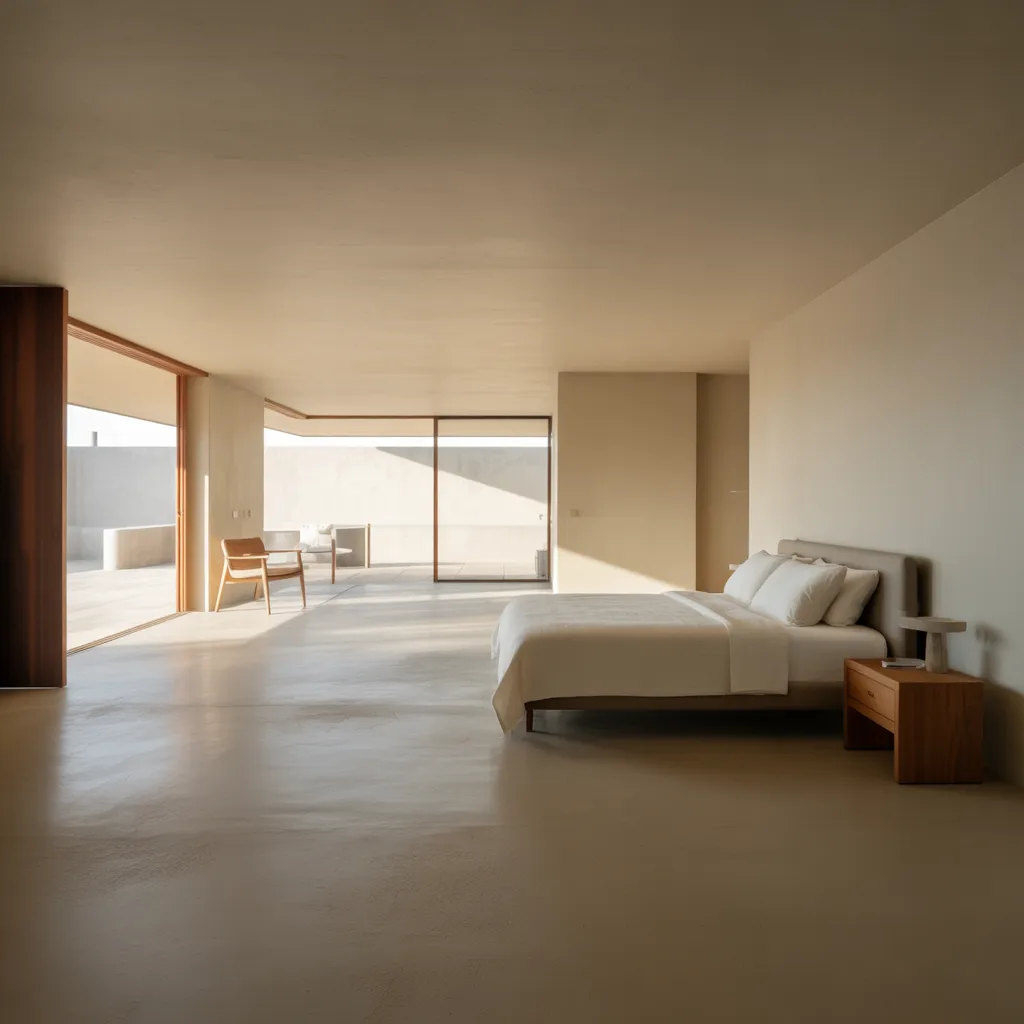
Visible floor space helps the room feel larger. When the floor remains open, the eye sees more area. This creates a sense of openness.
Avoid placing too many items on the floor. Keep furniture raised or minimal. This improves visual flow.
21.Use Wall Art Wisely
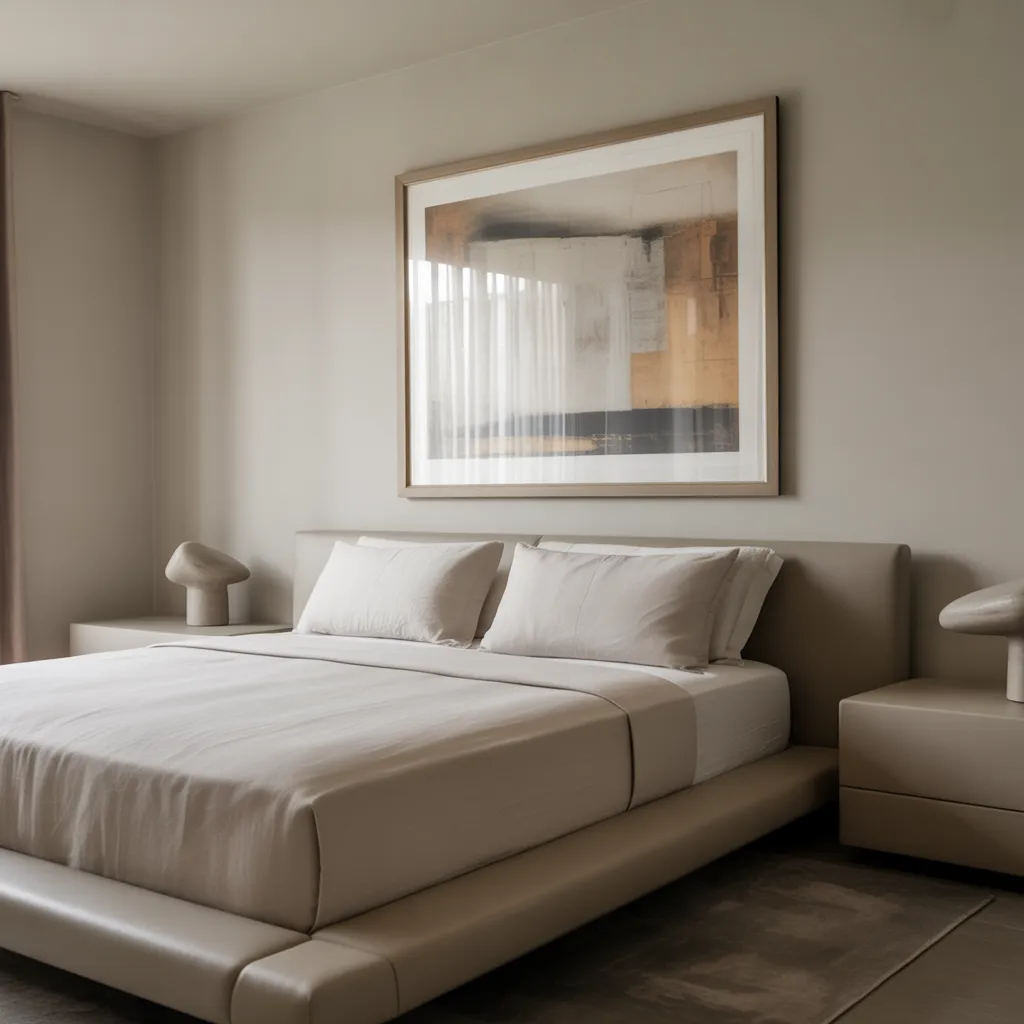
Large wall art creates a focal point without clutter. Multiple small pieces can make the wall feel busy. One strong piece keeps the design simple.
Choose art that matches the color scheme. This keeps the room balanced. It also enhances style.
22. Choose Simple Bedding
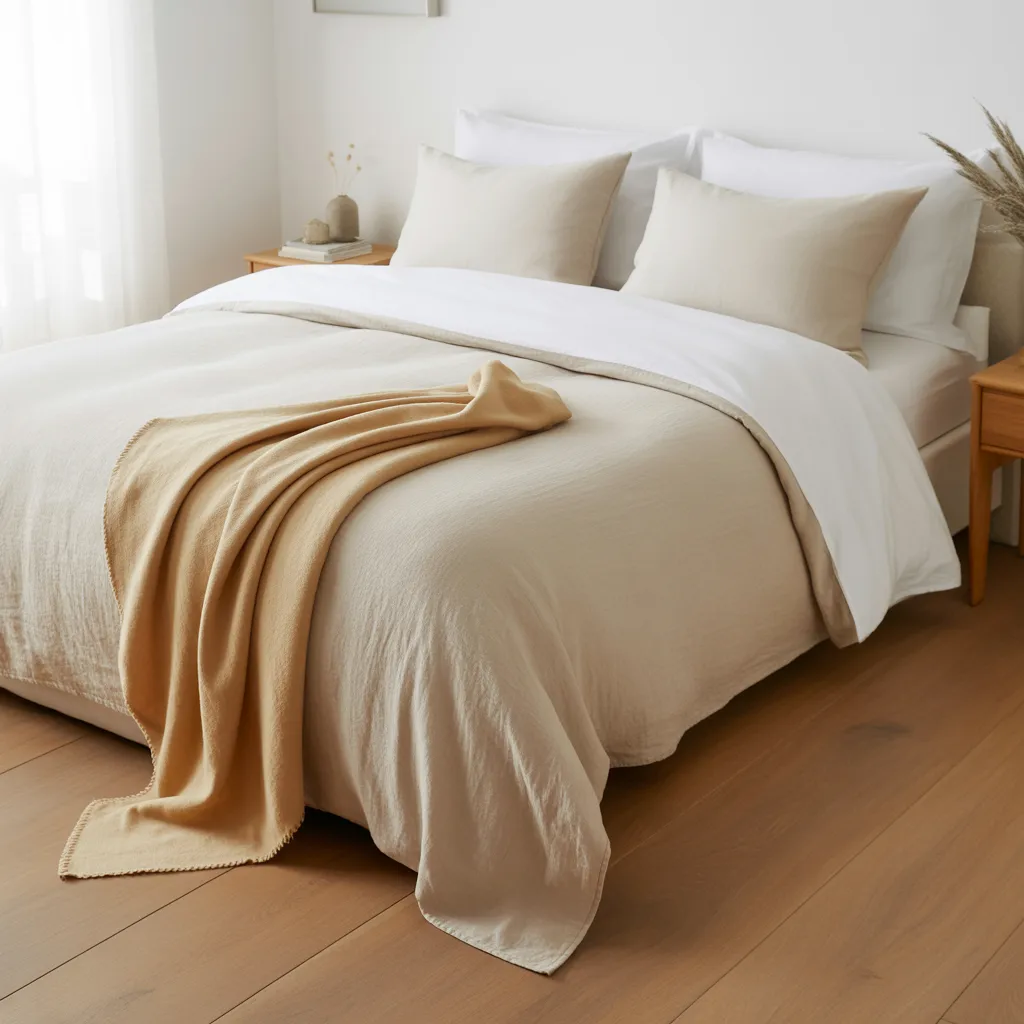
Simple bedding keeps the bed area clean and calm. Heavy patterns or layers can make the room feel crowded. Light fabrics improve openness.
Stick to soft tones and minimal layers. This creates a relaxed and spacious feel. It supports better design.
23. Use Hidden Storage
Hidden storage keeps items out of sight and reduces clutter. This helps maintain a clean and open look. It also improves organization.
Use storage solutions that blend into furniture. This keeps the design simple. The room feels more spacious.
24. Maintain Clean Lines
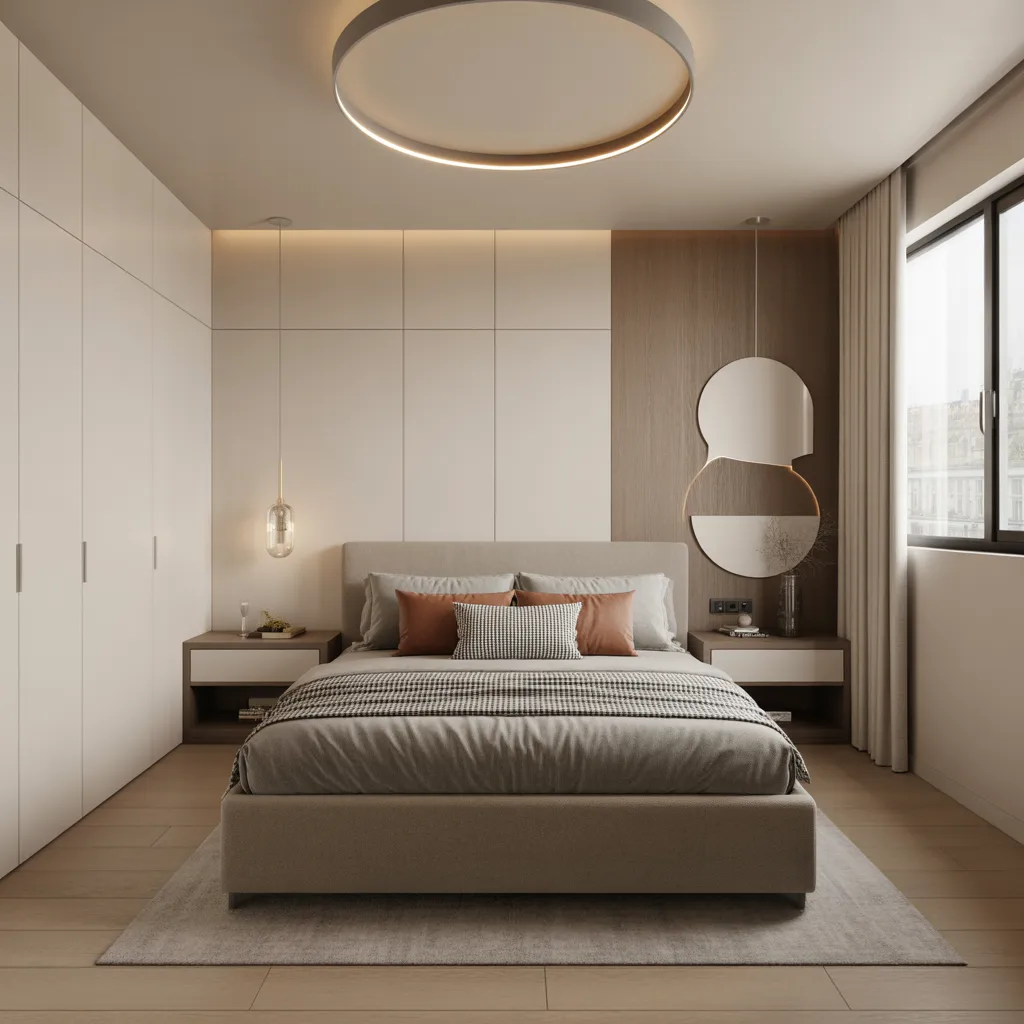
Clean lines create a structured and open look. Too many details can make a small room feel busy. Simple shapes improve flow.
Choose furniture with straight edges and minimal design. This keeps the space balanced. It enhances comfort and style.
Conclusion
A small bedroom can feel open and comfortable with the right design approach. These 24 small bedroom ideas that feel bigger focus on smart planning, light use, and simple styling. Each idea helps reduce clutter and improve flow without adding unnecessary elements.